How to Say "cash advance" in Spanish
The most common Spanish word for “cash advance” is “avance” — use 'avance' when referring to money received before it is officially due, such as an early salary payment or a down payment.
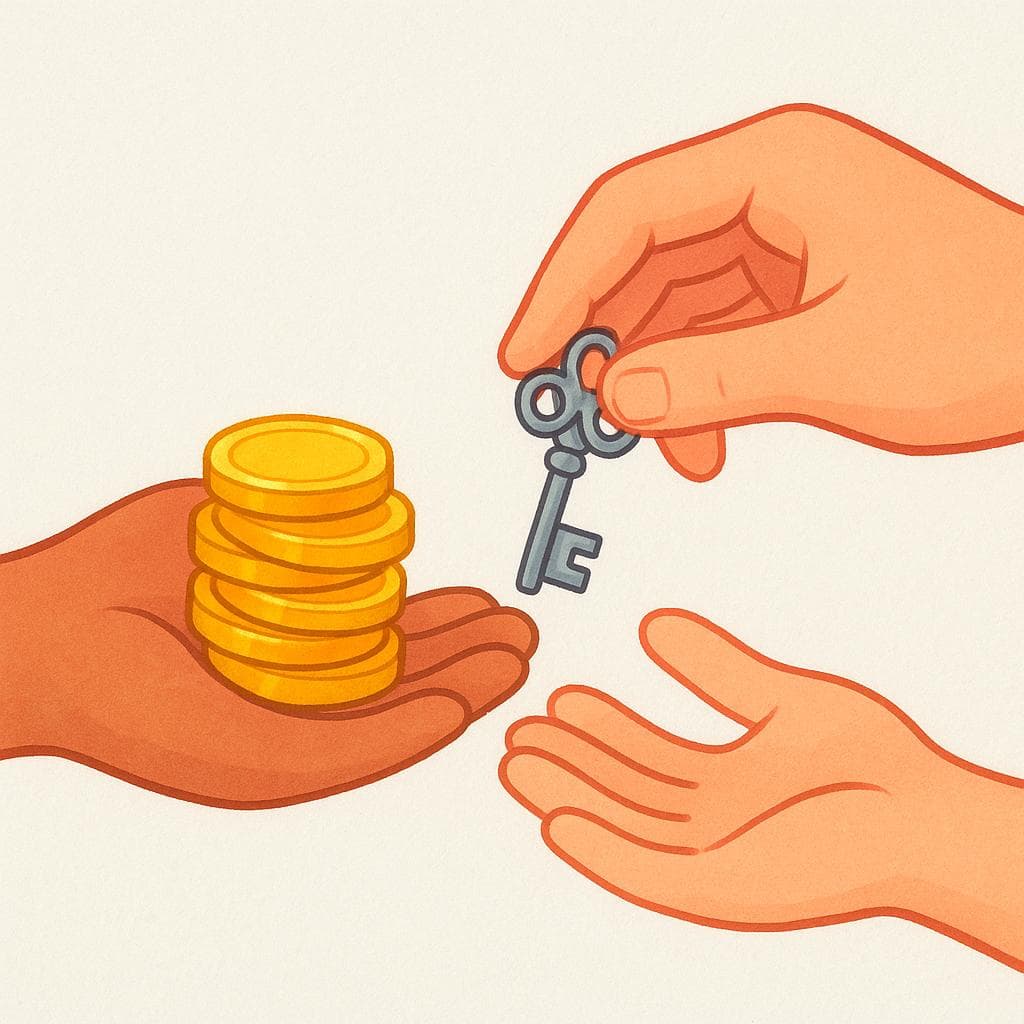
avance
ah-VAHN-sayaˈβanse
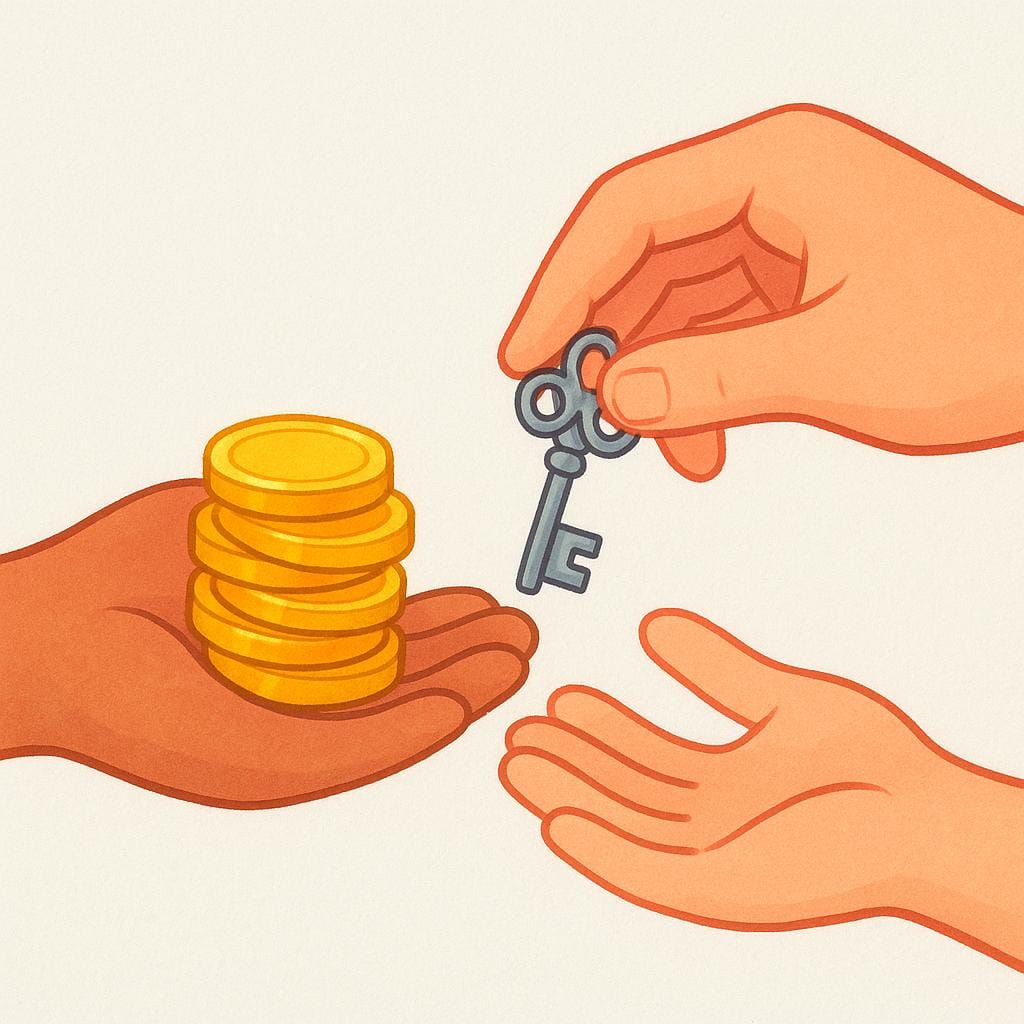
Examples
Me pidieron un avance de sueldo para cubrir gastos inesperados.
They asked me for a salary advance to cover unexpected expenses.
Tienes que dar un avance del 10% para reservar el coche.
You have to give a 10% down payment to reserve the car.
Pedí un avance de mi sueldo para pagar las cuentas.
I asked for a cash advance on my salary to pay the bills.
descuento
des-KUEN-tohdesˈkwento
Examples
El banco realizó un descuento sobre la letra de cambio.
The bank made a discount on the bill of exchange.
Después del descuento de impuestos, su sueldo neto fue depositado.
After the tax deduction, his net salary was deposited.
El banco aplica un descuento a la factura antes de pagarla.
The bank applies a deduction to the invoice before paying it.
Avance vs. Descuento
Related Translations
Learn Spanish with Inklingo
Interactive stories, personalized learning, and more.