desfilar
“desfilar” means “to parade” in Spanish. It has 2 different meanings depending on context:
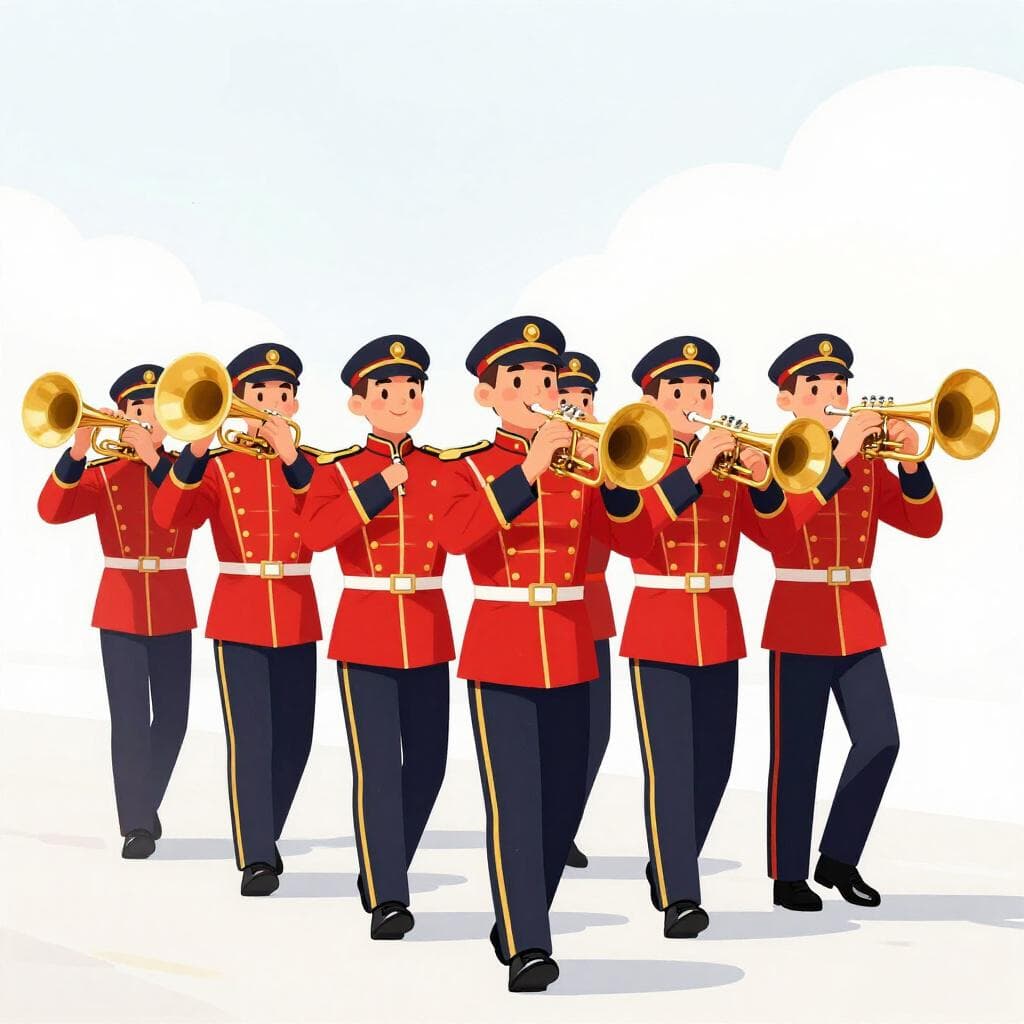

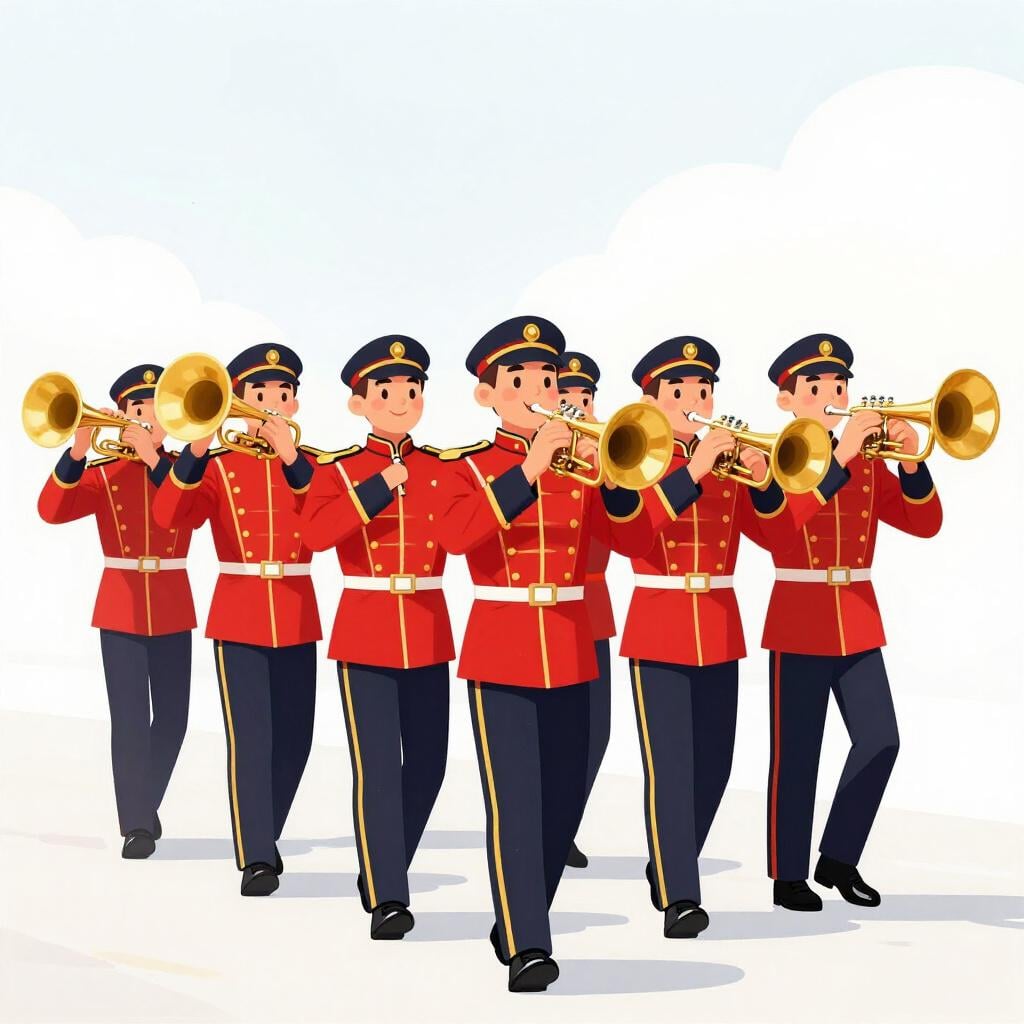
to parade, to marchAlso: to file past
📝 In Action
Los soldados desfilan por la calle principal.
A1The soldiers are parading down the main street.
Mucha gente desfiló ante el monumento para mostrar respeto.
B1Many people filed past the monument to show respect.
Mañana desfilaremos en las fiestas del pueblo.
A2Tomorrow we will march in the town festival.
Word Connections
to walk the runway, to model

📝 In Action
Ella desfiló para las mejores marcas en París.
B1She walked the runway for the best brands in Paris.
Es el sueño de muchos jóvenes desfilar en una pasarela.
B1It is many young people's dream to walk on a catwalk.
Los modelos desfilaban con la nueva colección de invierno.
B2The models were modeling the new winter collection.
Word Connections
Subjunctive
Imperfect Subjunctive
Present Subjunctive
Indicative
Preterite
Imperfect
Present
✏️ Quick Practice
Quick Quiz: desfilar
Question 1 of 3
What is the most likely context for someone to 'desfilar'?
📚 More Resources
👥 Word Family
📚 Etymology
From the Spanish word 'fila' (row or line), which comes from the Latin 'filum' (thread). It literally means to move in a line.
First recorded: 17th century
Cognates (Related words)
💡 Master Spanish
Take your Spanish to the next level. Read 200+ illustrated and narrated Spanish stories tailored to your level with the Inklingo app!
Frequently Asked Questions
Is 'desfilar' only for military use?
No! It is used for any organized procession, including school bands, festive parades, religious processions, and fashion shows.
What is the difference between 'marchar' and 'desfilar'?
They are very similar. 'Marchar' is more about the physical step and rhythm, while 'desfilar' focuses on being part of a line or public show.
Can I 'desfilar' alone?
Usually, 'desfilar' implies being part of a group in a line. However, a single fashion model 'desfila' because she is following a sequence of other models.