despegar
“despegar” means “to unstick” in Spanish. It has 3 different meanings depending on context:
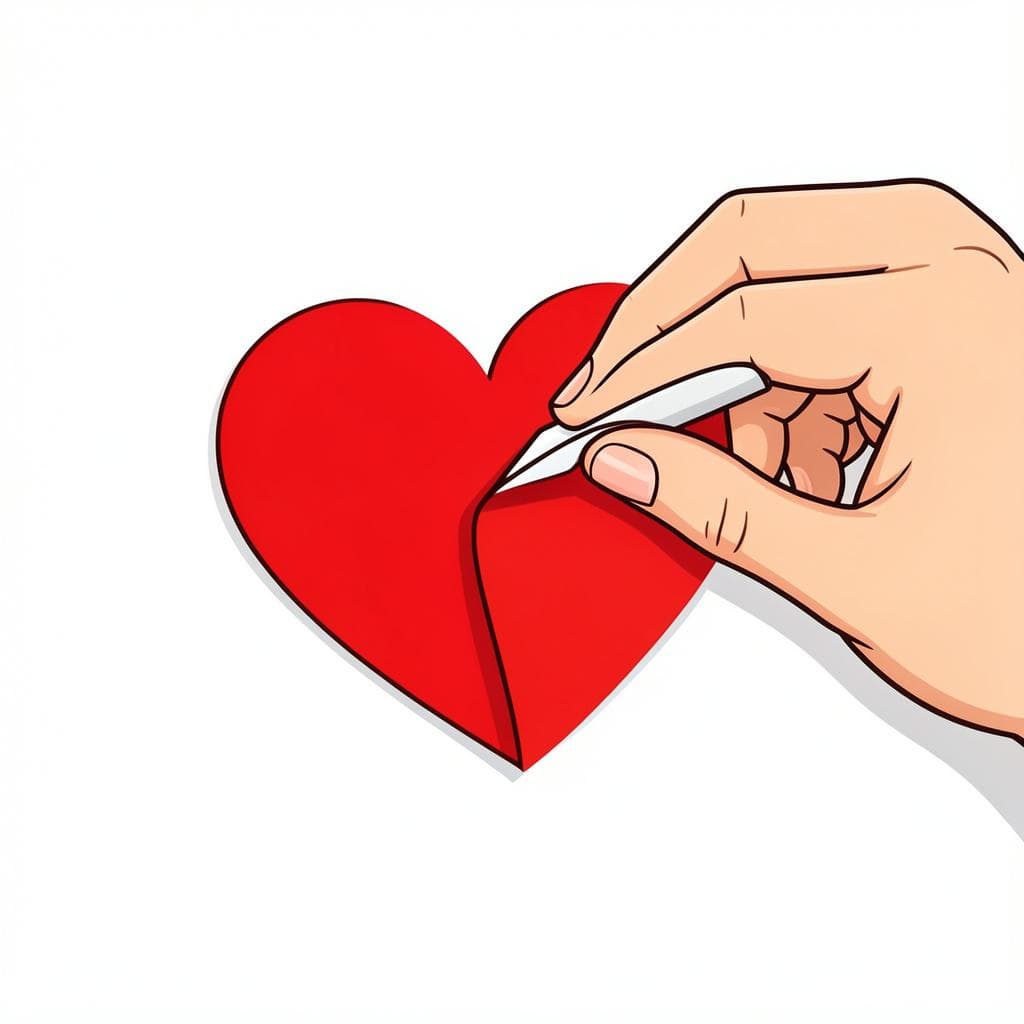


to unstick, to peel off
Also: to detach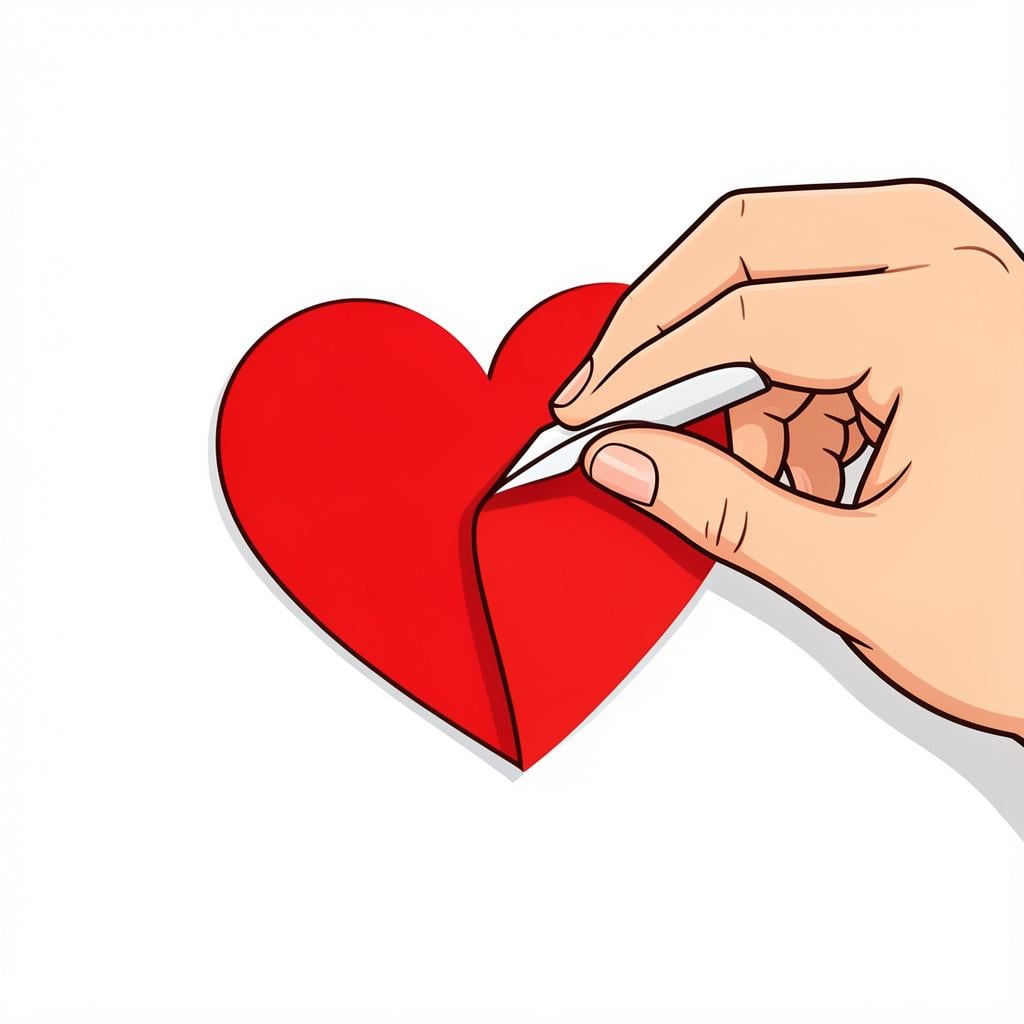
📝 In Action
Ten cuidado al despegar la etiqueta del regalo.
A2Be careful when peeling the label off the gift.
No puedo despegar estos dos papeles porque tienen pegamento.
A2I can't unstick these two papers because they have glue on them.
to take off

📝 In Action
El avión despegará con media hora de retraso.
A2The plane will take off with a half-hour delay.
Me pongo nervioso cuando el avión despega.
B1I get nervous when the plane takes off.
to take off, to boom

📝 In Action
Su nueva empresa finalmente comenzó a despegar.
B2Her new company finally started to take off.
Las ventas despegaron después de la publicidad.
B2Sales boomed after the advertisement.
Subjunctive
Imperfect Subjunctive
Present Subjunctive
Indicative
Preterite
Imperfect
Present
Translate to Spanish
✏️ Quick Practice
Quick Quiz: despegar
Question 1 of 1
Which sentence uses 'despegar' to mean a business is becoming successful?
📚 More Resources
📚 Etymology▼
Formed by adding the prefix 'des-' (meaning 'undo') to the verb 'pegar' (to stick). 'Pegar' comes from the Latin 'picare', which meant to cover something in pitch or tar to make it stick.
First recorded: 13th century
Cognates (Related words)
💡 Master Spanish
Take your Spanish to the next level. Read 200+ illustrated and narrated Spanish stories tailored to your level with the Inklingo app!
Frequently Asked Questions
Does 'despegar' always need an object?
Not always! When you peel a sticker, you are 'despegando' something (it needs an object). But when a plane 'despega', it is just doing the action itself.
What is the opposite of 'despegar' for a plane?
The opposite is 'aterrizar', which means 'to land'.