Inklingo

diferencias

/dee-feh-REHN-see-ahs/

differences

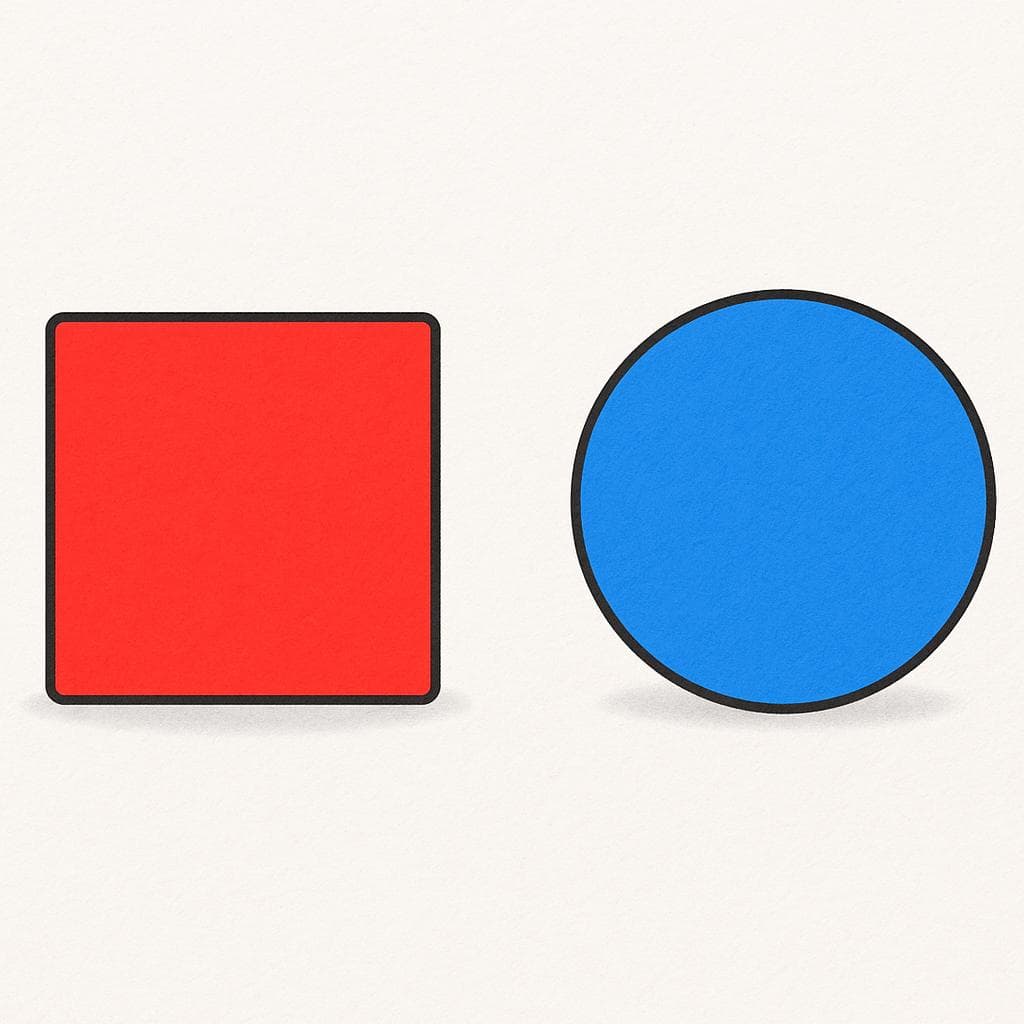
A visual comparison showing a bright red square next to a bright blue circle, highlighting their dissimilar shapes and colors.

The image shows clear differences between the shapes and colors of the objects.

diferencias(noun)

fA1

differences

?

plural form of difference

Also:

disagreements

?

when people argue or have conflicts

,

distinctions

?

formal way to say differences

📝 In Action

Hay muchas diferencias culturales entre España y México.

A2

There are many cultural differences between Spain and Mexico.

Ellos tienen algunas diferencias pequeñas sobre cómo decorar la casa.

B1

They have some small disagreements about how to decorate the house.

¿Puedes explicar las diferencias entre usar 'ser' y 'estar'?

A1

Can you explain the differences between using 'ser' and 'estar'?

Word Connections

Synonyms

  • desigualdades (inequalities)
  • distinciones (distinctions)

Antonyms

  • similitudes (similarities)
  • igualdades (equalities)

Common Collocations

  • marcar las diferenciasto highlight the differences
  • resolver diferenciasto settle disagreements

Idioms & Expressions

  • sacar a relucir las diferenciasto bring up old disagreements or sore spots

💡 Grammar Points

Always Feminine Plural

Remember that 'diferencia' is a feminine word, so when plural, it needs feminine words like 'las' or 'muchas' next to it (e.g., 'las diferencias').

❌ Common Pitfalls

Using the wrong preposition

Mistake: "diferencias de"

Correction: Use 'diferencias entre' when comparing two or more things: 'las diferencias entre los dos países' (the differences between the two countries).

⭐ Usage Tips

Talking about conflicts

When referring to a fight or conflict between people, 'diferencias' is a polite way to say 'disagreements' or 'issues'.

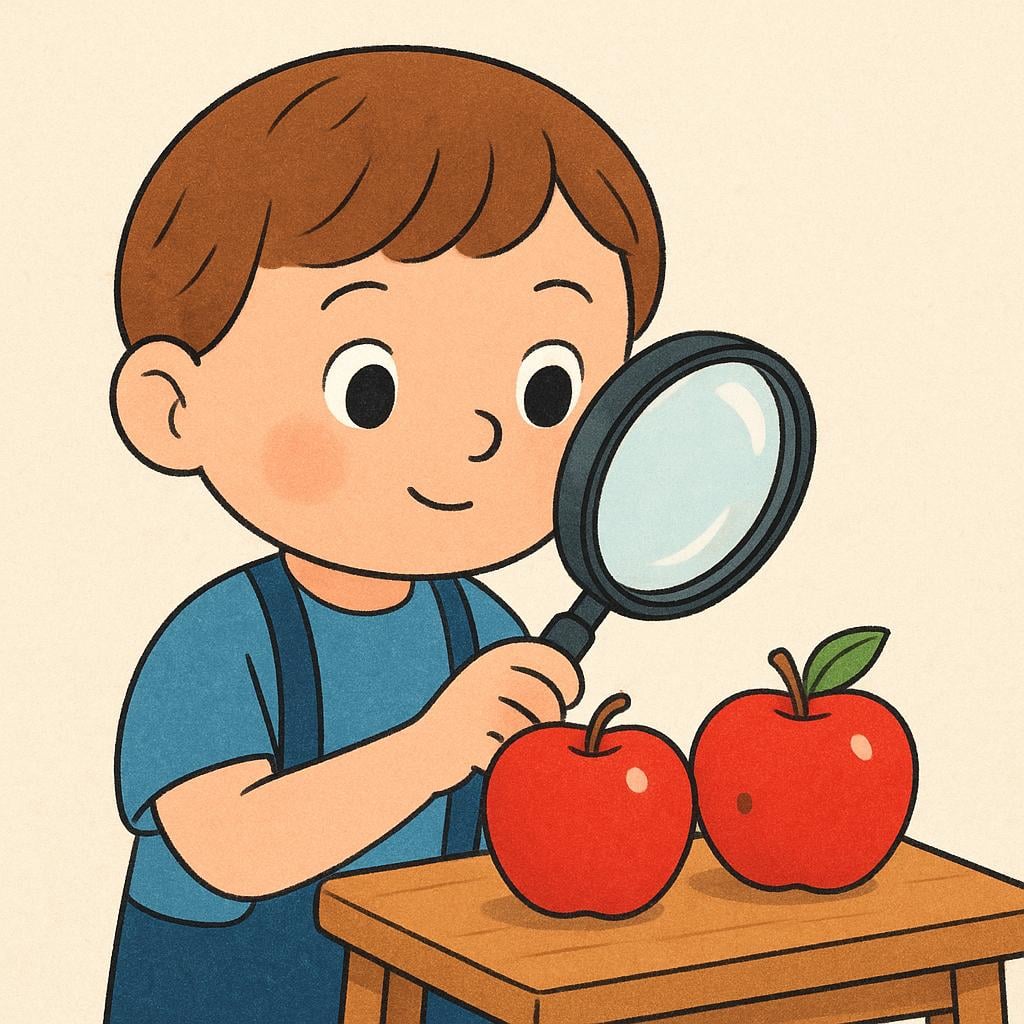
A small storybook character wearing a green shirt holding a magnifying glass and intently examining two apples to find the subtle distinction between them.

When you differentiate ('tú diferencias'), you are actively looking for the distinctions between things.

diferencias(verb)

B1regular ar

you differentiate

?

present tense, used with 'tú'

Also:

you distinguish

?

present tense, used with 'tú'

📝 In Action

¿Cómo diferencias un buen vino de uno malo?

B1

How do you distinguish a good wine from a bad one?

diferencias muy bien los sonidos de los pájaros.

B2

You differentiate the sounds of the birds very well.

Word Connections

Synonyms

  • distingues (you distinguish)
  • separas (you separate)

Antonyms

  • igualas (you equalize)

💡 Grammar Points

Identifying the Speaker

When 'diferencias' is used as a verb, it always means 'you' (tú) are the one doing the action of distinguishing things.

⭐ Usage Tips

Verb + Object

The verb 'diferenciar' often takes a direct object (what you are distinguishing) followed by 'de' (from): 'Diferencias X de Y'.

🔄 Conjugations

indicative

present

él/ella/usteddiferencia
yodiferencio
diferencias
ellos/ellas/ustedesdiferencian
nosotrosdiferenciamos
vosotrosdiferenciáis

imperfect

él/ella/usteddiferenciaba
yodiferenciaba
diferenciabas
ellos/ellas/ustedesdiferenciaban
nosotrosdiferenciábamos
vosotrosdiferenciabais

preterite

él/ella/usteddiferenció
yodiferencié
diferenciaste
ellos/ellas/ustedesdiferenciaron
nosotrosdiferenciamos
vosotrosdiferenciasteis

subjunctive

present

él/ella/usteddiferencie
yodiferencie
diferencies
ellos/ellas/ustedesdiferencien
nosotrosdiferenciemos
vosotrosdiferenciéis

imperfect

él/ella/usteddiferenciara
yodiferenciara
diferenciaras
ellos/ellas/ustedesdiferenciaran
nosotrosdiferenciáramos
vosotrosdiferenciarais

✏️ Quick Practice

💡 Quick Quiz: diferencias

Question 1 of 2

Which sentence uses 'diferencias' as a plural noun?

📚 More Resources

Frequently Asked Questions

How can I tell if 'diferencias' is a noun or a verb?

If it is preceded by a word like 'las,' 'muchas,' or 'estas,' it is almost certainly the plural noun (differences). If it follows the pronoun 'tú' (or is implied), it is the verb form meaning 'you distinguish.'