elijo
“elijo” means “I choose” in Spanish (expressing a current decision).
I choose
Also: I pick, I am choosing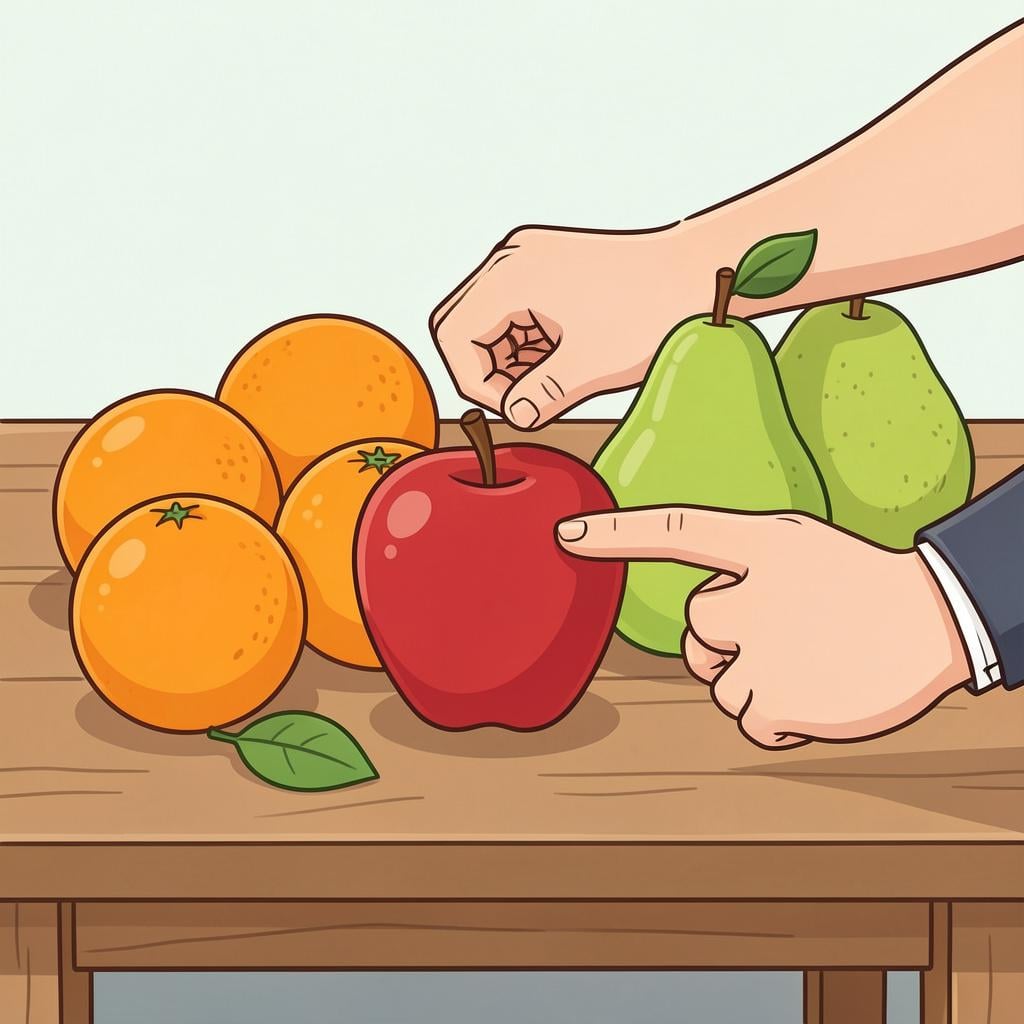
📝 In Action
Yo elijo el camino más corto.
A1I choose the shortest path.
Cada vez que salimos, yo elijo el restaurante.
A2Every time we go out, I pick the restaurant.
Hoy elijo ser feliz.
B1Today I choose to be happy.
🔄 Conjugations
subjunctive
imperfect
present
indicative
preterite
imperfect
present
✏️ Quick Practice
Quick Quiz: elijo
Question 1 of 1
How do you say 'I choose the red one' in Spanish?
📚 More Resources
👥 Word Family▼
📚 Etymology▼
Comes from the Latin word 'eligere', which is a combination of 'ex' (out) and 'legere' (to read or to gather). It literally means 'to gather out' or 'pick out' from a group.
First recorded: 13th century
Cognates (Related words)
💡 Master Spanish
Take your Spanish to the next level. Read 200+ illustrated and narrated Spanish stories tailored to your level with the Inklingo app!
Frequently Asked Questions
Is 'elijo' from the verb 'elegir'?
Yes! 'Elijo' is simply the 'I' form of the verb 'elegir' when you are talking about what you are doing right now.
Why isn't it spelled with a 'g'?
If it were spelled 'eligo', it would sound like 'eh-LEE-go' (like the word 'go'). To keep the 'h' sound from 'elegir', we use a 'j' when the word ends in 'o'.