embajador
“embajador” means “ambassador” in Spanish. It has 2 different meanings depending on context:
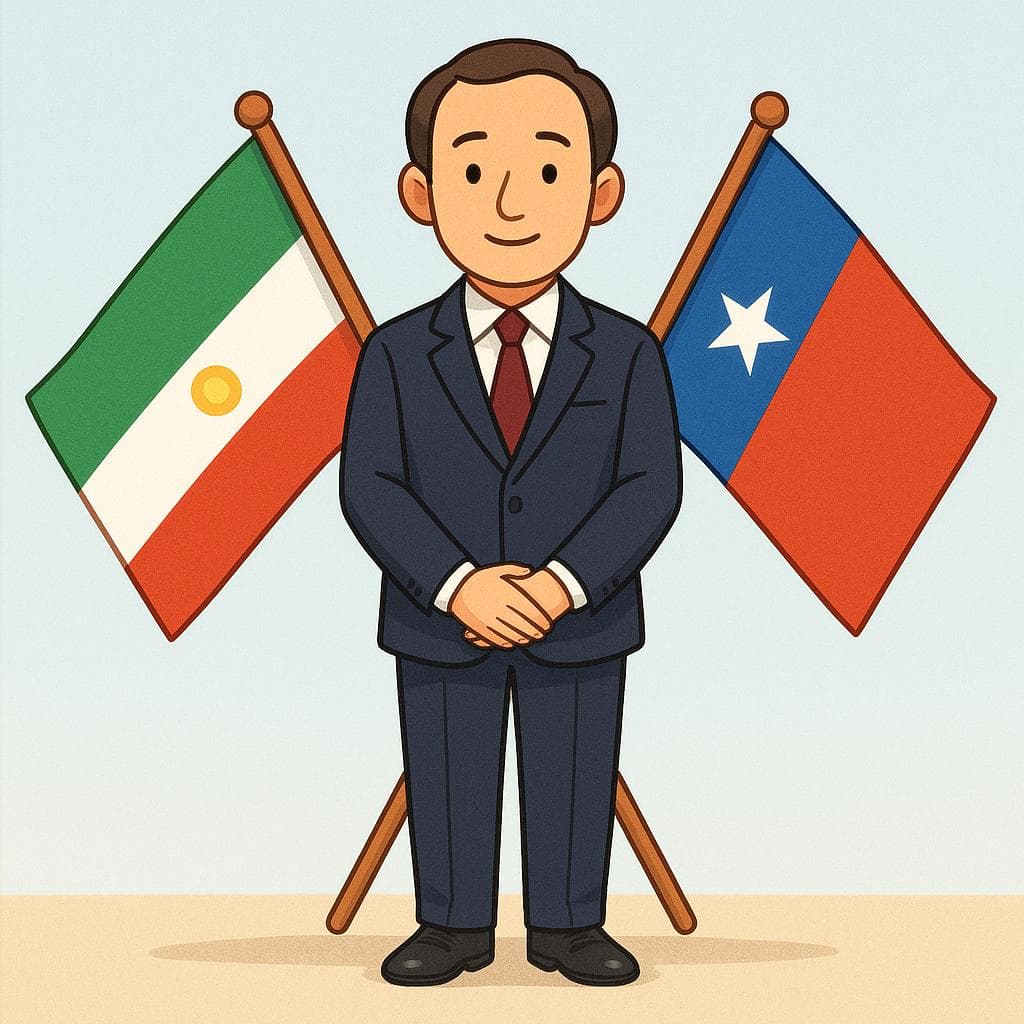

ambassadorAlso: envoy

📝 In Action
El embajador de México dio un discurso sobre el comercio internacional.
C1The ambassador of Mexico gave a speech about international trade.
Necesitamos la aprobación del embajador antes de firmar el tratado.
B2We need the ambassador's approval before signing the treaty.
Word Connections
spokespersonAlso: advocate, representative

📝 In Action
El famoso chef es el embajador de nuestra nueva línea de productos orgánicos.
B1The famous chef is the ambassador for our new line of organic products.
Ella se ha convertido en la embajadora de la cultura española en Asia.
B2She has become the representative/spokesperson for Spanish culture in Asia.
Word Connections
Translate to Spanish
Words that translate to "embajador" in Spanish:
✏️ Quick Practice
Quick Quiz: embajador
Question 1 of 1
Which sentence correctly uses the location where an embajador works?
📚 More Resources
👥 Word Family
🎵 Rhymes
📚 Etymology
The word comes from the Old Spanish word 'embaxada' (meaning 'mission' or 'message'). This ultimately traces back to a Germanic and later Latin root, *ambactus*, which meant 'servant' or 'messenger.'
First recorded: 13th century
Cognates (Related words)
💡 Master Spanish
Take your Spanish to the next level. Read 200+ illustrated and narrated Spanish stories tailored to your level with the Inklingo app!
Frequently Asked Questions
¿Cuál es la diferencia entre un 'embajador' y un 'cónsul'?
An 'embajador' (ambassador) is the highest-ranking diplomatic representative, usually focused on political relations between two countries. A 'cónsul' (consul) is focused on practical services for citizens, like issuing visas, passports, and offering legal help.