enredar
“enredar” means “to tangle” in Spanish. It has 3 different meanings depending on context:


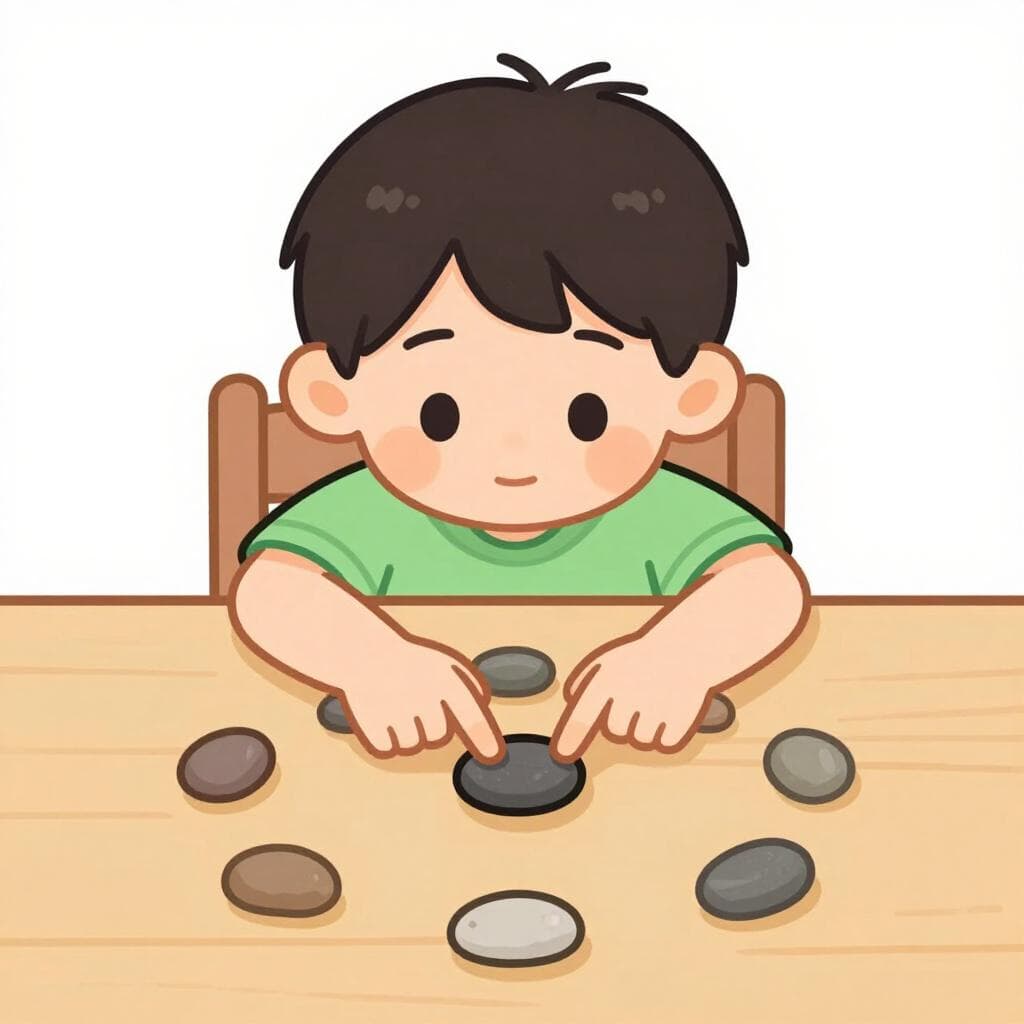
to tangle
Also: to mess up
📝 In Action
El gato enredó la lana mientras jugaba.
A2The cat tangled the wool while playing.
No me gusta cómo el viento enreda mi pelo.
A2I don't like how the wind tangles my hair.
Ten cuidado de no enredar los cables de la computadora.
B1Be careful not to tangle the computer cables.
to complicate
Also: to involve
📝 In Action
No quieras enredar más las cosas con tus mentiras.
B1Don't try to complicate things further with your lies.
Él me enredó en sus problemas legales.
B2He entangled me in his legal problems.
La trama de la película se enredó al final.
B1The movie's plot got complicated at the end.
to mess around
Also: to dawdle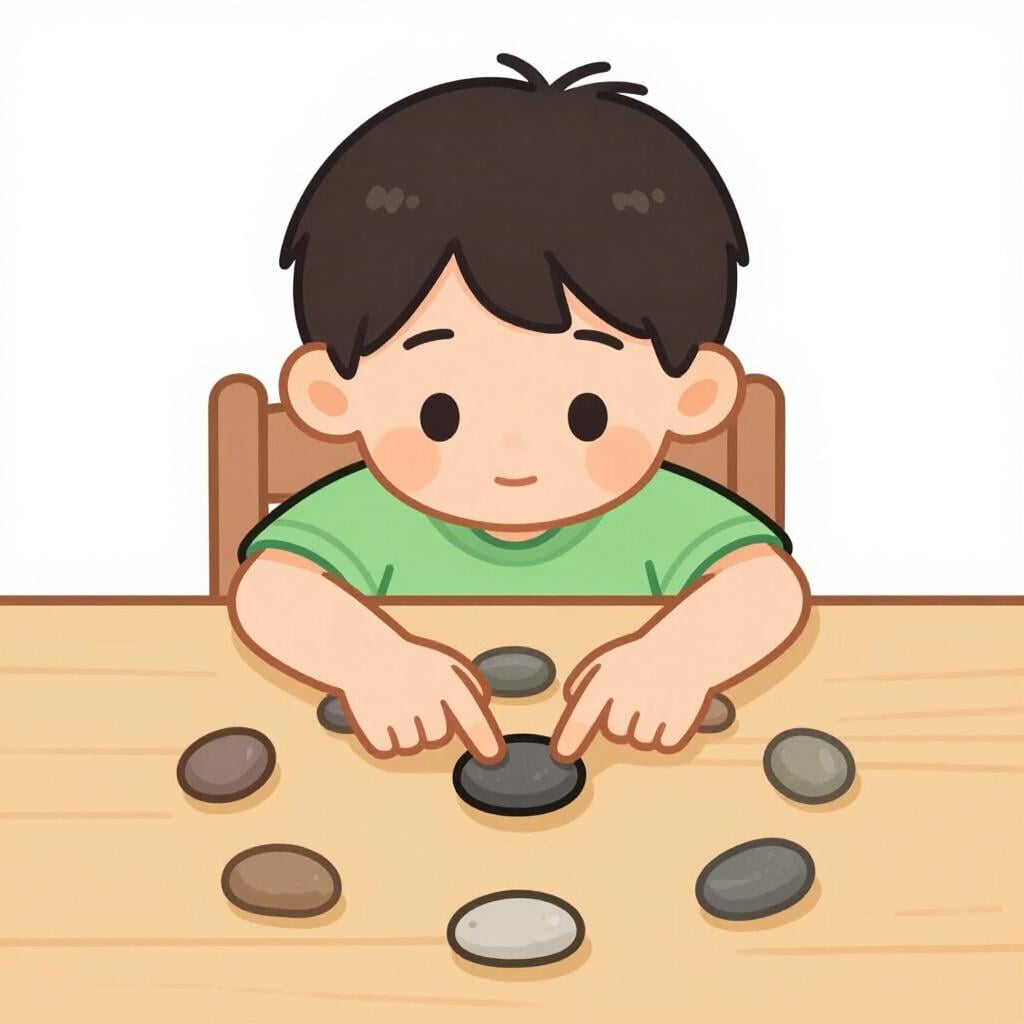
📝 In Action
Deja de enredar con el tenedor y come.
B1Stop messing around with the fork and eat.
Siempre se enreda hablando con los vecinos y llega tarde.
B2He always gets held up talking to the neighbors and arrives late.
No te enredes por el camino, que tenemos prisa.
B2Don't dawdle on the way, we're in a hurry.
Subjunctive
Imperfect Subjunctive
Present Subjunctive
Indicative
Preterite
Imperfect
Present
Translate to Spanish
✏️ Quick Practice
Quick Quiz: enredar
Question 1 of 3
Which sentence means 'My hair got tangled'?
📚 More Resources
👥 Word Family▼
📚 Etymology▼
From the Spanish prefix 'en-' (inside/into) and 'red' (net). It literally means to put something into a net or catch it with a net.
First recorded: 13th century
Cognates (Related words)
💡 Master Spanish
Take your Spanish to the next level. Read 200+ illustrated and narrated Spanish stories tailored to your level with the Inklingo app!
Frequently Asked Questions
Is 'enredar' related to the internet?
Indirectly, yes! 'Red' means 'net' or 'network'. While 'enredar' usually refers to physical tangles, 'la red' is the common Spanish word for 'the internet'.
Can 'enredar' be used for social media?
Not directly as a verb for 'browsing', but 'redes sociales' (social networks) comes from the same root word 'red'.
Is 'enredar' irregular?
No, it is a perfectly regular -ar verb. It follows the same pattern as 'hablar' or 'cantar'.