Inklingo

enseñe

/en-SEH-nyeh/

show

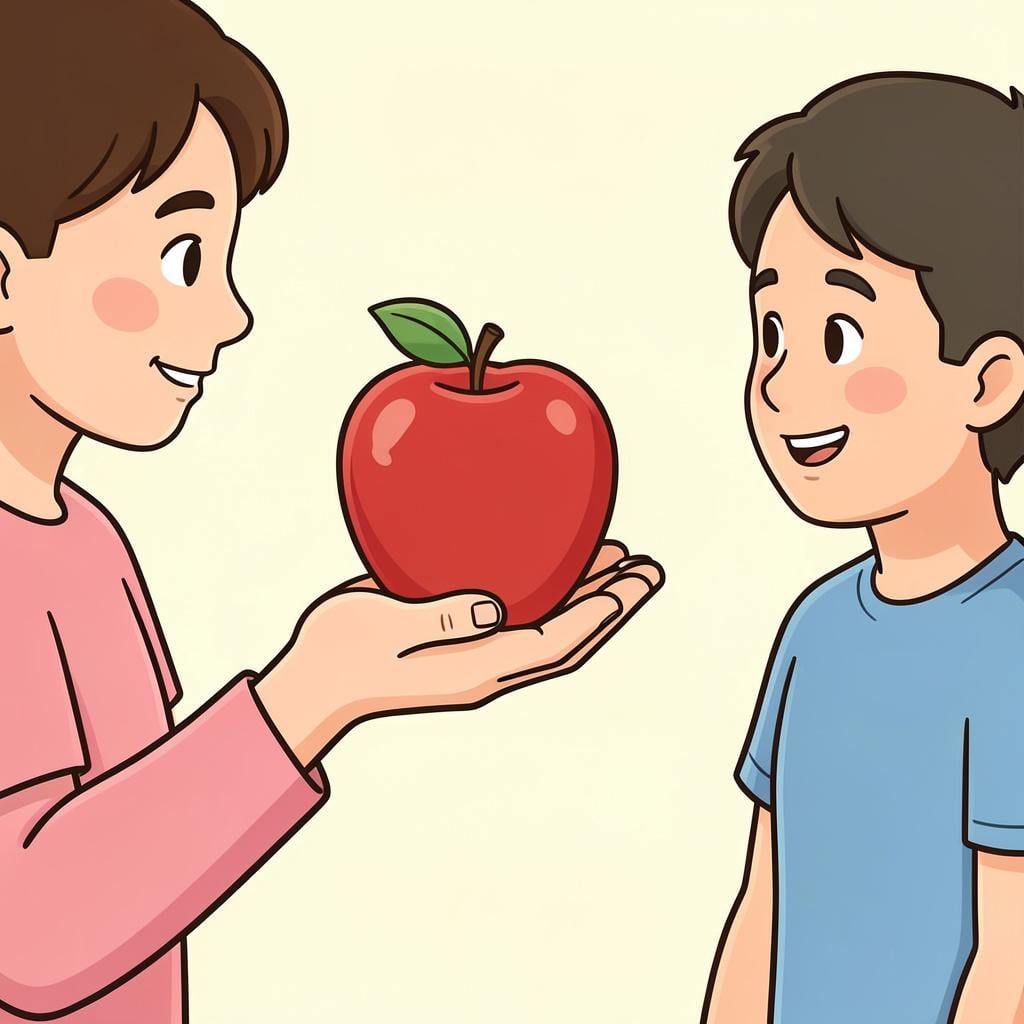
A person holding up a bright red apple to show it to another person.

The word 'enseñe' can mean to show or display an object to someone else.

enseñe(verb)

A2regular ar

show

?

pointing something out or displaying an object

Also:

point out

?

indicating a specific location or item

📝 In Action

Por favor, enseñe su pasaporte al oficial.

A2

Please, show your passport to the officer.

Dudo que él me enseñe las fotos del viaje.

B1

I doubt that he will show me the photos from the trip.

Word Connections

Synonyms

Antonyms

Common Collocations

  • enseñe el caminoshow the way
  • enseñe los dientesto bare one's teeth (aggressive)

💡 Grammar Points

The 'Flipped' Ending

Notice how 'enseñar' normally uses 'a' endings (enseña). We switch to 'e' (enseñe) when we want to be polite or when we are talking about feelings and possibilities rather than facts.

❌ Common Pitfalls

Don't use it for simple facts

Mistake: "Él enseñe la casa."

Correction: Él enseña la casa. Use 'enseñe' only for commands or 'I hope/want' sentences.

⭐ Usage Tips

Polite Commands

If you are at a store or airport, use 'enseñe' to sound professional and polite when asking someone to show you something.

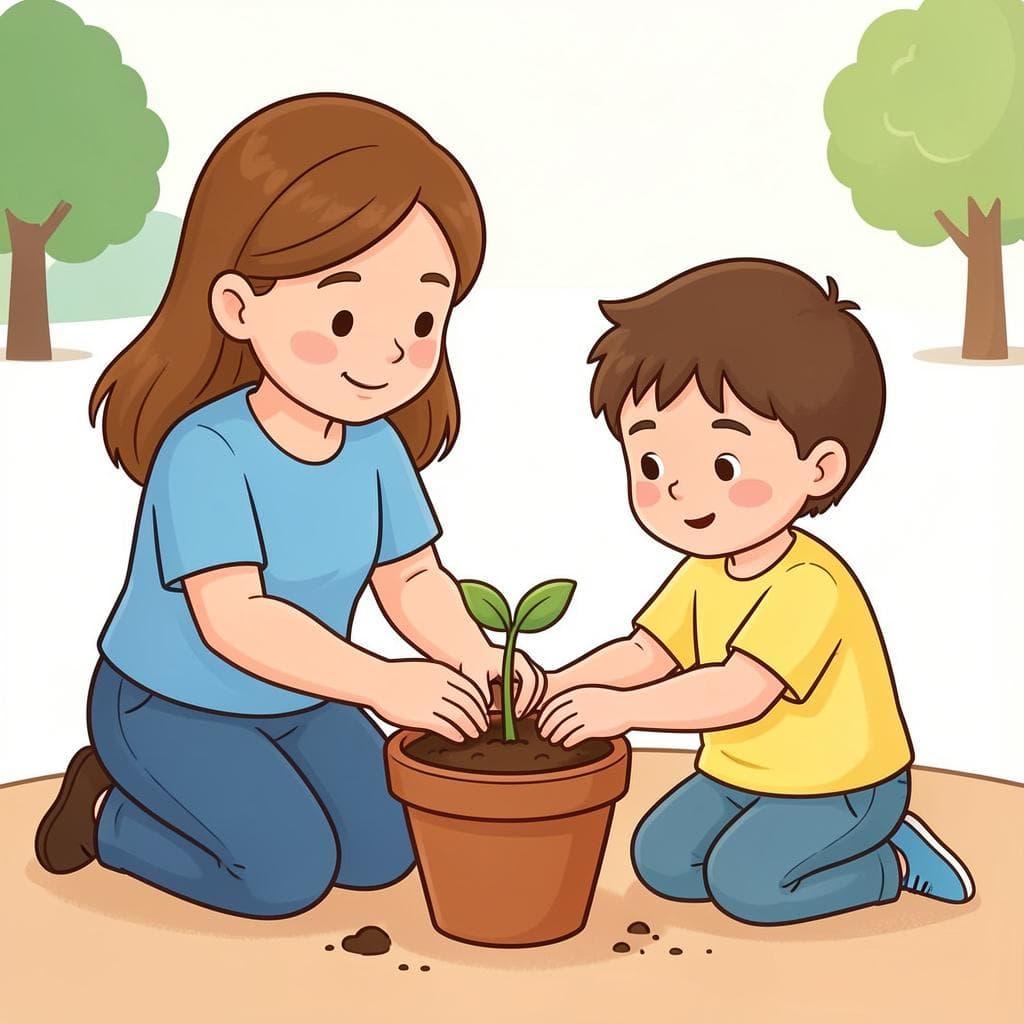
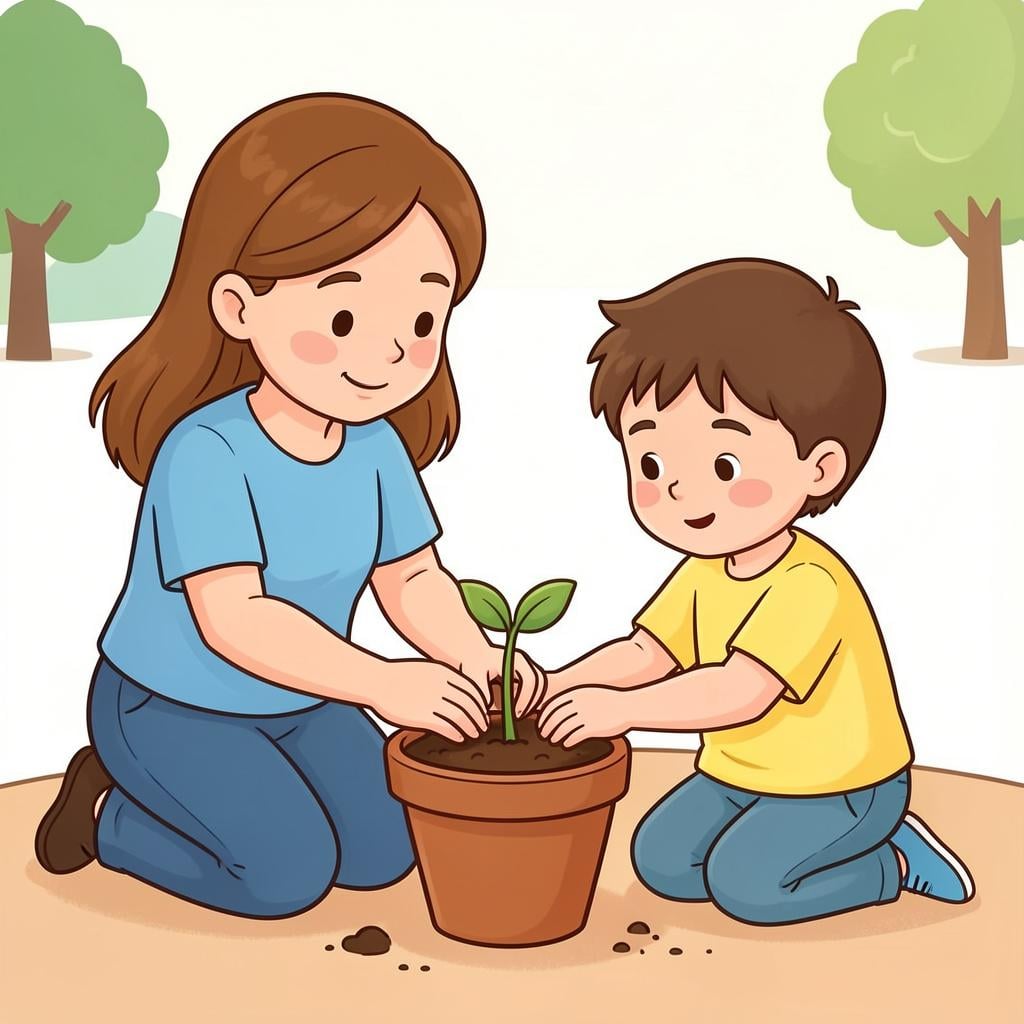
An adult guiding a child's hand to plant a small seedling in a pot of soil.

In another context, 'enseñe' means to teach or transfer a new skill to someone.

enseñe(verb)

A1regular ar

teach

?

transferring knowledge or skills

Also:

instruct

?

formal teaching or training

📝 In Action

Busco a un profesor que me enseñe a tocar la guitarra.

B1

I'm looking for a teacher to teach me how to play guitar.

Es bueno que ella le enseñe valores a sus hijos.

B2

It is good that she teaches values to her children.

Word Connections

Synonyms

  • instruya (instruct)
  • eduque (educate)

Antonyms

Common Collocations

  • enseñe a leerteach to read
  • enseñe con el ejemploteach by example

💡 Grammar Points

Teaching 'How To'

When you say 'teach to do something,' always use the word 'a' after 'enseñe.' For example: 'enseñe a cocinar'.

🔄 Conjugations

subjunctive

imperfect

ellos/ellas/ustedesenseñaran
yoenseñara
enseñaras
vosotrosenseñarais
nosotrosenseñáramos
él/ella/ustedenseñara

present

ellos/ellas/ustedesenseñen
yoenseñe
enseñes
vosotrosenseñéis
nosotrosenseñemos
él/ella/ustedenseñe

indicative

preterite

ellos/ellas/ustedesenseñaron
yoenseñé
enseñaste
vosotrosenseñasteis
nosotrosenseñamos
él/ella/ustedenseñó

imperfect

ellos/ellas/ustedesenseñaban
yoenseñaba
enseñabas
vosotrosenseñabais
nosotrosenseñábamos
él/ella/ustedenseñaba

present

ellos/ellas/ustedesenseñan
yoenseño
enseñas
vosotrosenseñáis
nosotrosenseñamos
él/ella/ustedenseña

✏️ Quick Practice

💡 Quick Quiz: enseñe

Question 1 of 1

Which sentence uses 'enseñe' as a polite command to a stranger?

📚 More Resources

Word Family

Frequently Asked Questions

What is the difference between 'enseña' and 'enseñe'?

'Enseña' is for facts (She teaches). 'Enseñe' is for wishes (I hope she teaches) or polite commands (Please, teach/show).

Can 'enseñe' mean 'I teach'?

Only in 'special' sentences starting with phrases like 'I want that...' or 'It is possible that...'. Otherwise, 'I teach' is 'enseño'.