envenenar
“envenenar” means “to poison” in Spanish. It has 2 different meanings depending on context:
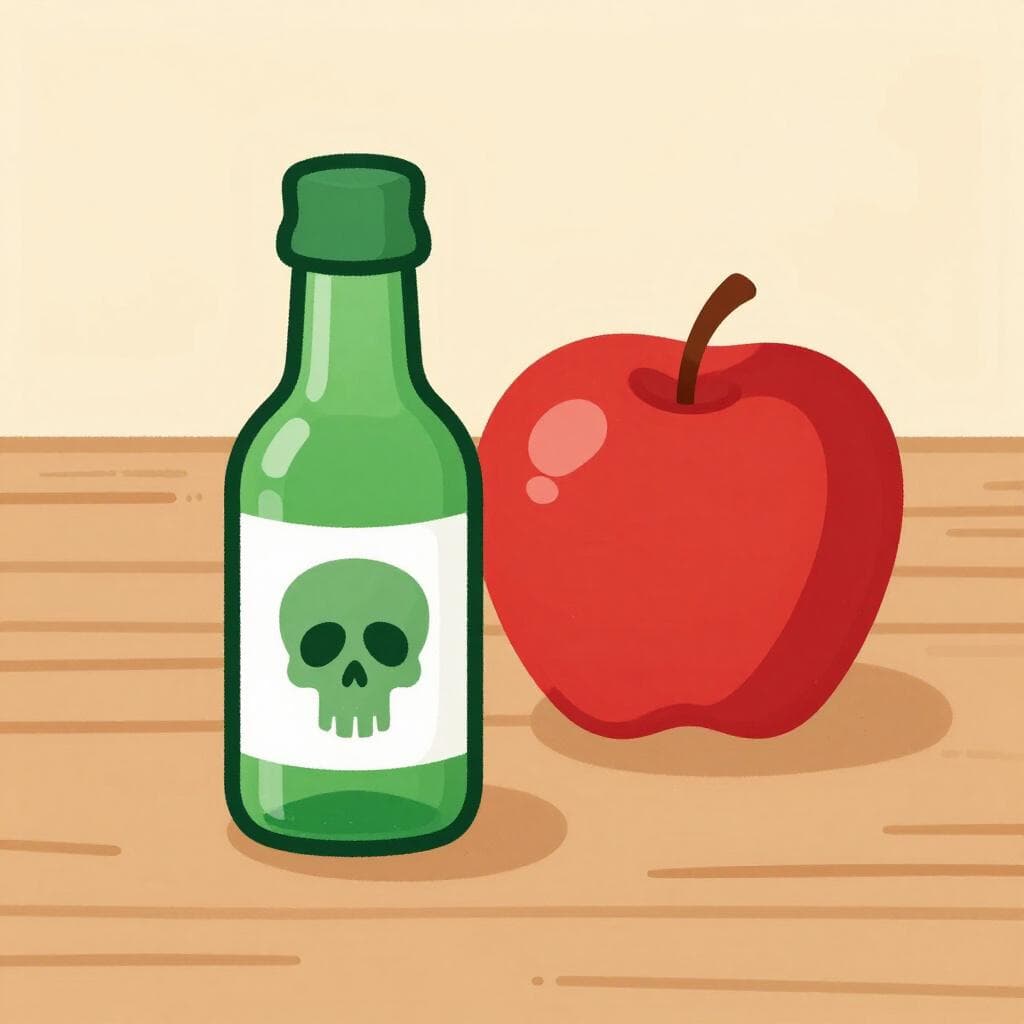

to poison
Also: to give food poisoning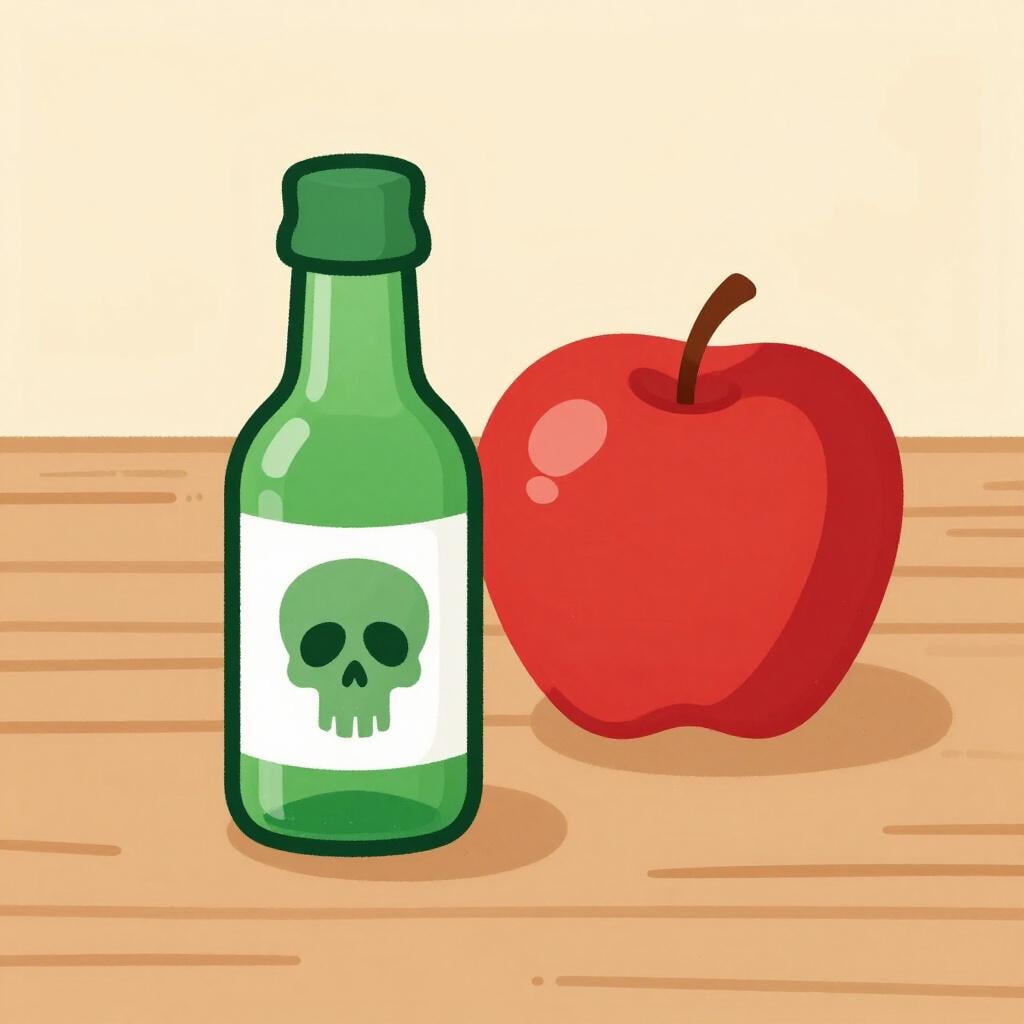
📝 In Action
La malvada reina intentó envenenar a Blancanieves con una manzana.
B1The evil queen tried to poison Snow White with an apple.
Ten cuidado, no queremos envenenar al gato con estos productos químicos.
B1Be careful, we don't want to poison the cat with these chemicals.
Se envenenaron por comer mariscos en mal estado.
B2They got food poisoning from eating bad seafood.
to embitter, to poison
Also: to corrupt
📝 In Action
Sus celos terminaron por envenenar la relación.
B2His jealousy ended up poisoning the relationship.
No dejes que el odio envenene tu corazón.
B2Don't let hatred embitter your heart.
Esos comentarios negativos envenenaron el ambiente de la oficina.
C1Those negative comments poisoned the office atmosphere.
Subjunctive
Imperfect Subjunctive
Present Subjunctive
Indicative
Preterite
Imperfect
Present
Translate to Spanish
✏️ Quick Practice
Quick Quiz: envenenar
Question 1 of 3
Which sentence describes a literal use of 'envenenar'?
📚 More Resources
👥 Word Family▼
📚 Etymology▼
From the Latin word 'venenum', which originally meant a 'potion' or 'magic charm' before it specifically meant 'poison'. The prefix 'en-' means to put into.
First recorded: 13th century
Cognates (Related words)
💡 Master Spanish
Take your Spanish to the next level. Read 200+ illustrated and narrated Spanish stories tailored to your level with the Inklingo app!
Frequently Asked Questions
Is 'envenenar' always a bad thing?
Yes, whether literal or figurative, it always implies causing harm or damage.
What is the difference between 'envenenar' and 'contaminar'?
'Envenenar' usually implies a lethal or harmful substance meant for a person or animal. 'Contaminar' (to pollute) is usually used for the environment, like rivers or air.
Does it have any irregular forms?
No, it is a perfectly regular -ar verb in all tenses.