escaño
“escaño” means “seat” in Spanish. It has 2 different meanings depending on context:

seatAlso: position

📝 In Action
El partido obtuvo cincuenta escaños en las últimas elecciones.
B1The party won fifty seats in the last elections.
Muchos políticos luchan por mantener su escaño en el Congreso.
B2Many politicians fight to keep their seat in Congress.
El reparto de escaños se decide mediante un sistema proporcional.
C1The distribution of seats is decided through a proportional system.
Word Connections
benchAlso: settle
📝 In Action
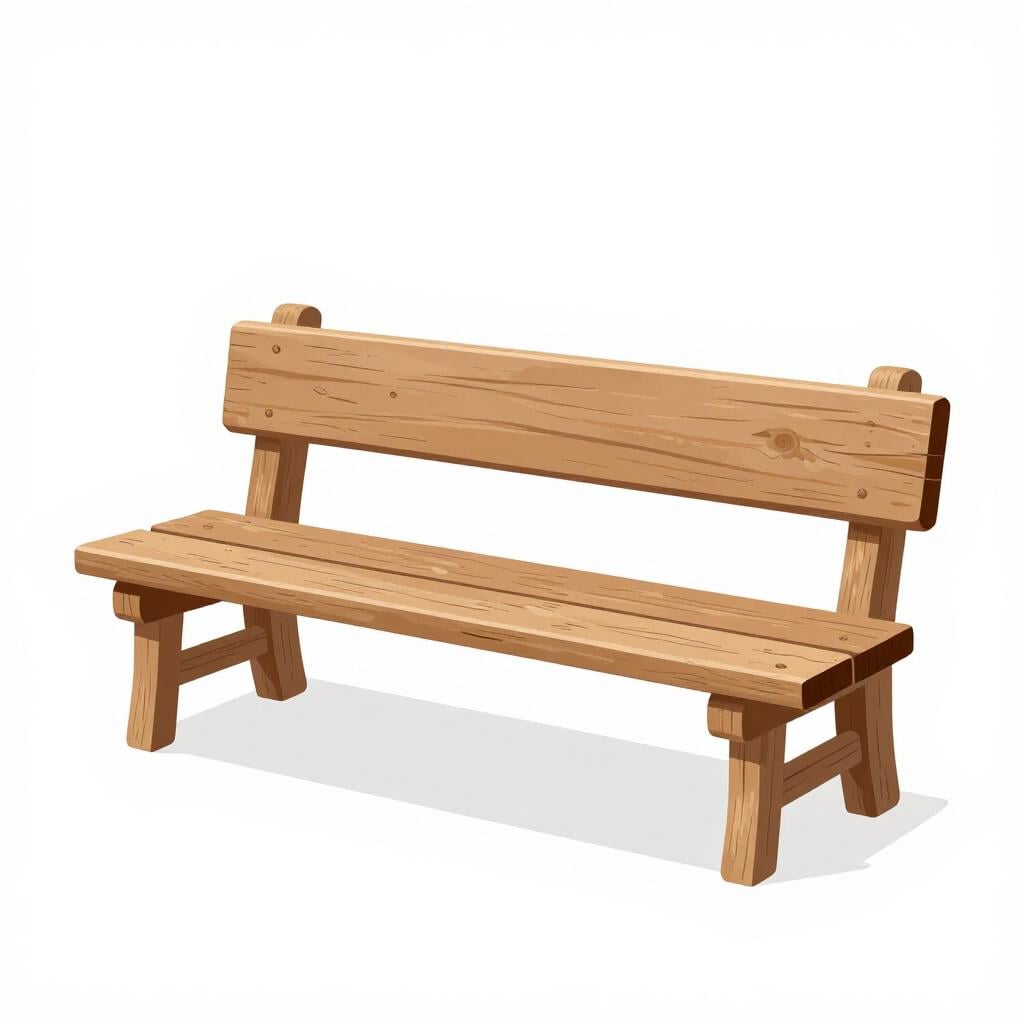
Había un antiguo escaño de madera en el recibidor.
B2There was an old wooden bench in the entrance hall.
El abuelo se sentaba en el escaño para contar historias.
B1The grandfather used to sit on the bench to tell stories.
Word Connections
✏️ Quick Practice
Quick Quiz: escaño
Question 1 of 3
If a political party wins 10 'escaños', what did they win?
📚 More Resources
👥 Word Family
🎵 Rhymes
📚 Etymology
From the Latin word 'scamnum', which meant a bench or stool. Over time, it came to refer to the specific benches where representatives sat in government, leading to its modern political meaning.
First recorded: 13th century
Cognates (Related words)
💡 Master Spanish
Take your Spanish to the next level. Read 200+ illustrated and narrated Spanish stories tailored to your level with the Inklingo app!
Frequently Asked Questions
Is 'escaño' the same as 'asiento'?
Technically yes, but 'asiento' is any general seat (like on a plane or bus), whereas 'escaño' is almost exclusively used for political seats.
How do you say 'to lose a seat' in an election?
You use the phrase 'perder el escaño'.
Can 'escaño' be used for women politicians?
Yes. While the word is masculine ('el escaño'), it describes the position held by any person, regardless of their gender.