escultura
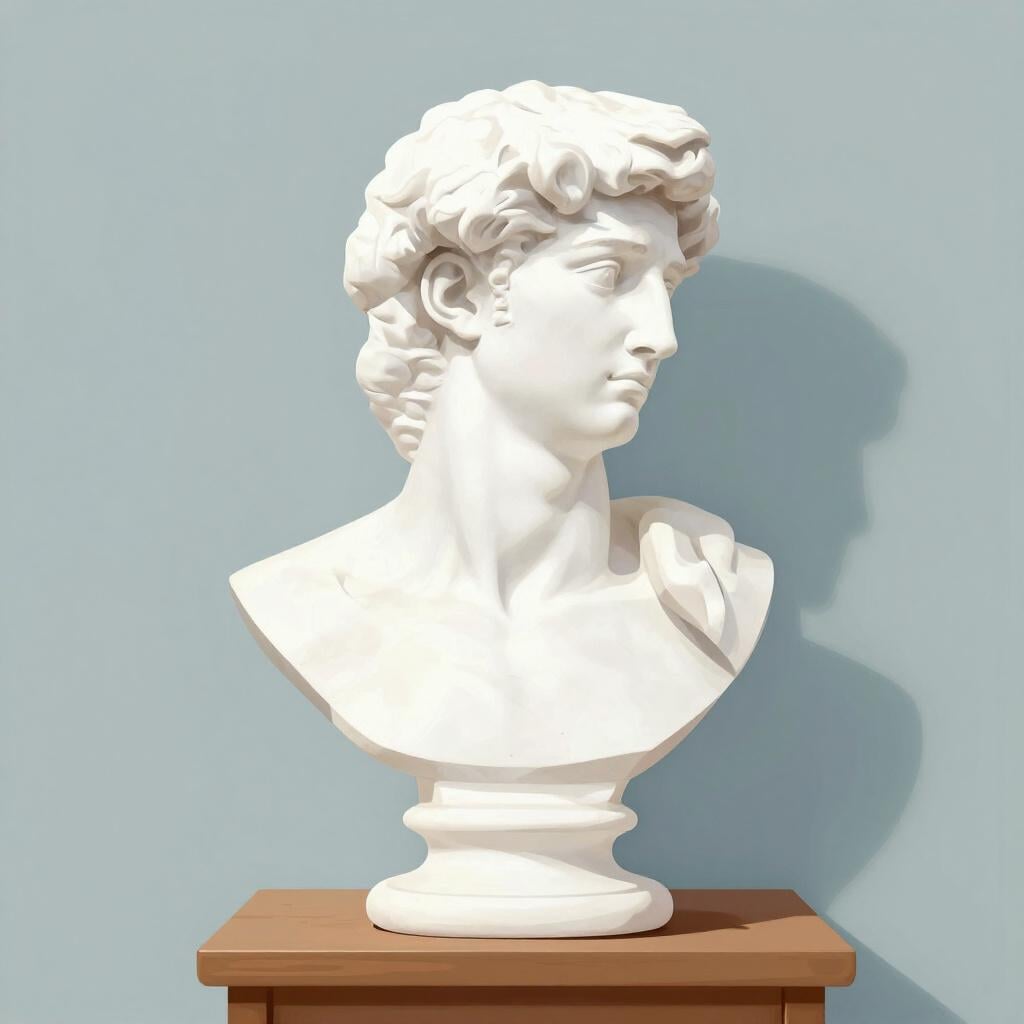
“escultura” means “sculpture” in Spanish. It has 2 different meanings depending on context:
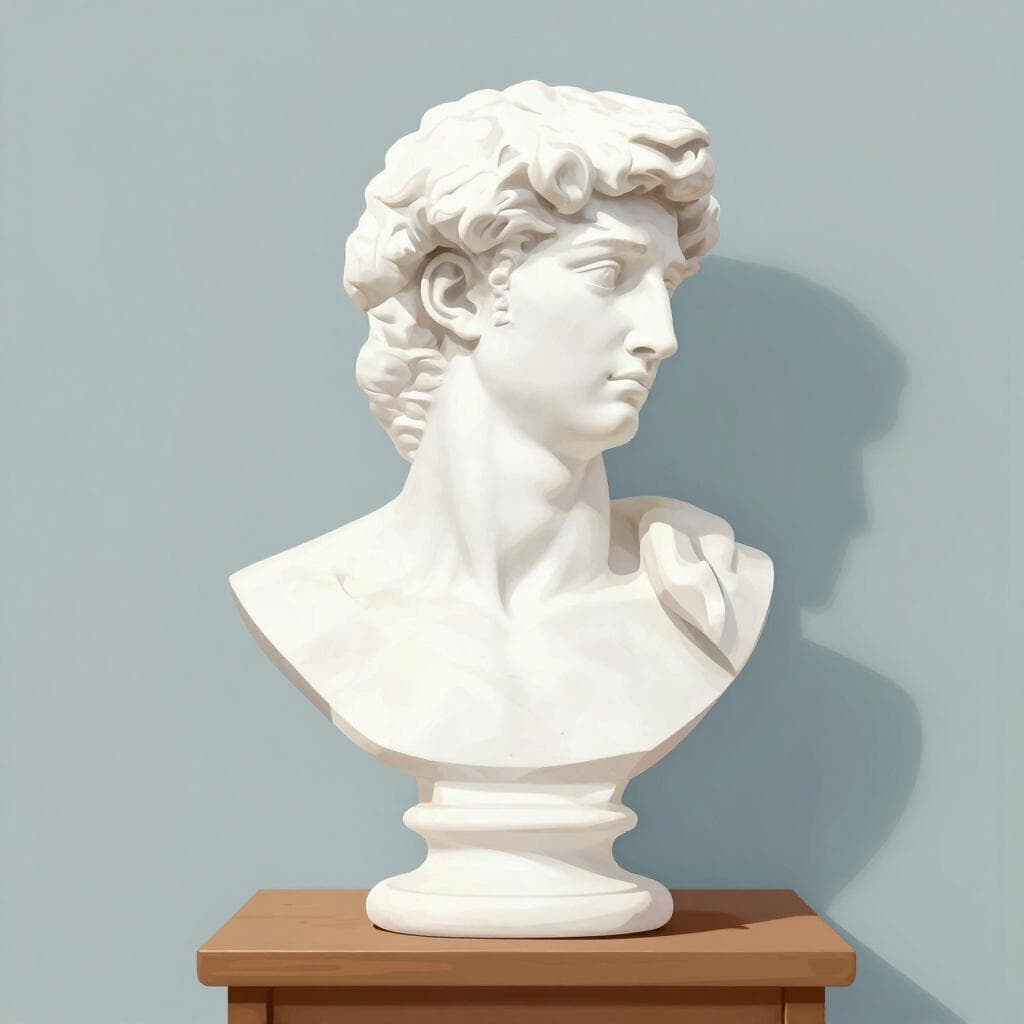
sculptureAlso: statue
📝 In Action
Hay una escultura muy bonita en la plaza.
A1There is a very beautiful sculpture in the square.
Vimos una escultura de mármol en el museo.
A2We saw a marble sculpture in the museum.
Las esculturas abstractas pueden ser difíciles de entender.
B1Abstract sculptures can be difficult to understand.
Word Connections
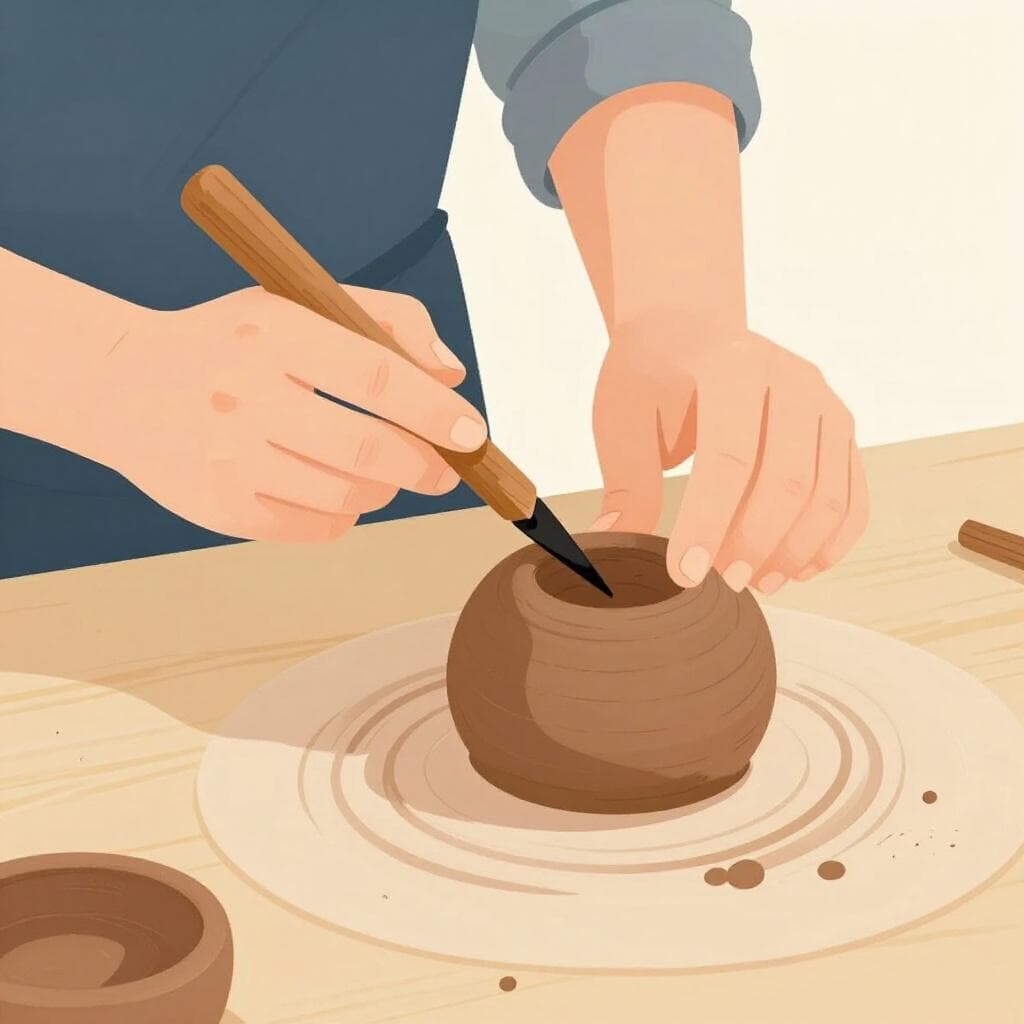
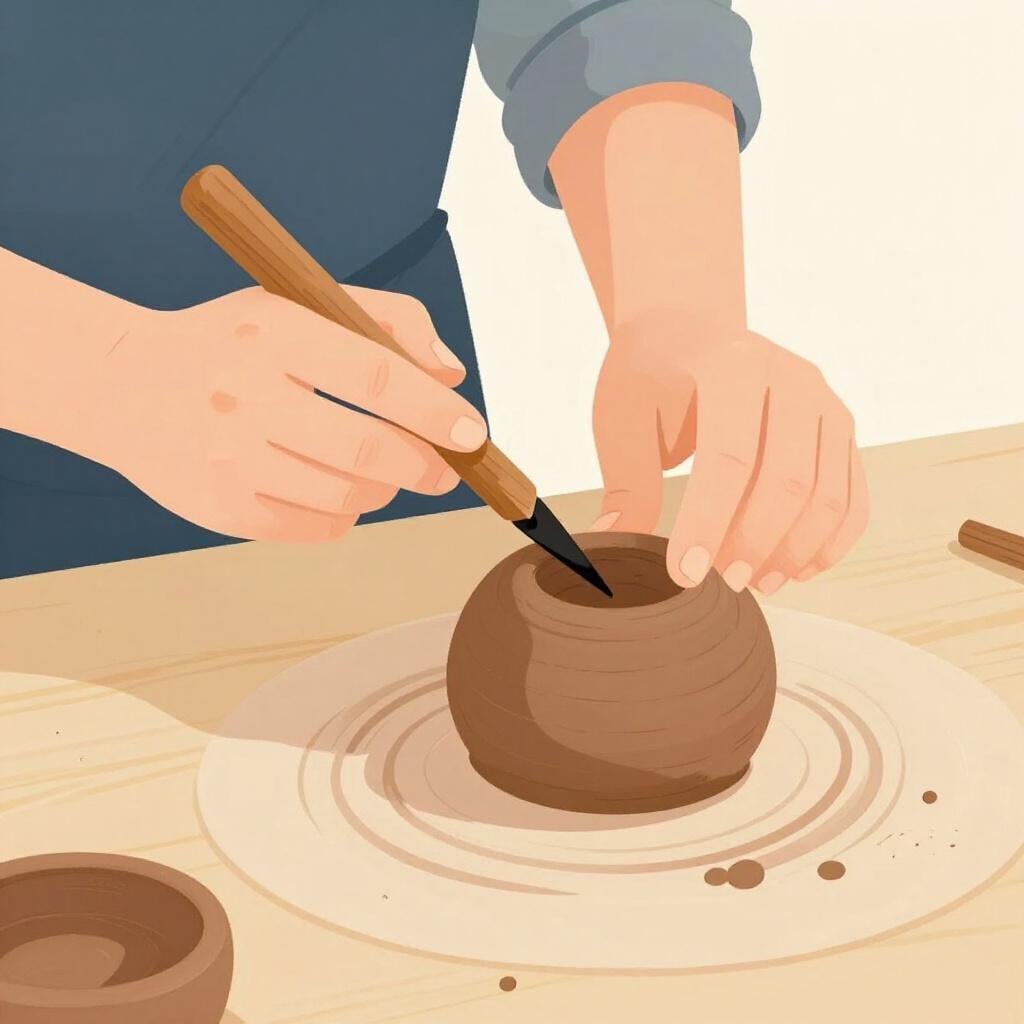
sculptureAlso: sculpting
📝 In Action
Ella estudia escultura en la escuela de bellas artes.
B1She is studying sculpture at the school of fine arts.
La escultura requiere mucha paciencia y técnica.
B2Sculpting requires a lot of patience and technique.
Miguel Ángel fue un genio de la escultura.
B1Michelangelo was a genius of sculpture.
Word Connections
✏️ Quick Practice
Quick Quiz: escultura
Question 1 of 3
¿Cómo se llama la persona que hace una escultura?
📚 More Resources
👥 Word Family
📚 Etymology
From the Latin word 'sculptura', which comes from 'sculpere', meaning 'to carve' or 'to cut out of stone'.
First recorded: 13th century
Cognates (Related words)
💡 Master Spanish
Take your Spanish to the next level. Read 200+ illustrated and narrated Spanish stories tailored to your level with the Inklingo app!
Frequently Asked Questions
Is 'escultura' and 'estatua' the same thing?
Not exactly. An 'estatua' (statue) is a type of 'escultura' that specifically represents a person or animal. 'Escultura' is a more general term that includes abstract shapes or modern designs.
How do I remember if it is masculine or feminine?
Most words ending in '-ura' in Spanish (like cultura, basura, pintura) are feminine. Think of them as a 'group of ladies' to help you remember 'la'.
Can I use 'escultura' to describe a very beautiful person?
While not a standard idiom, sometimes people say someone has a 'cuerpo de escultura' (a body like a sculpture) to mean they are physically perfect or very fit.