How to Say "sculpture" in Spanish
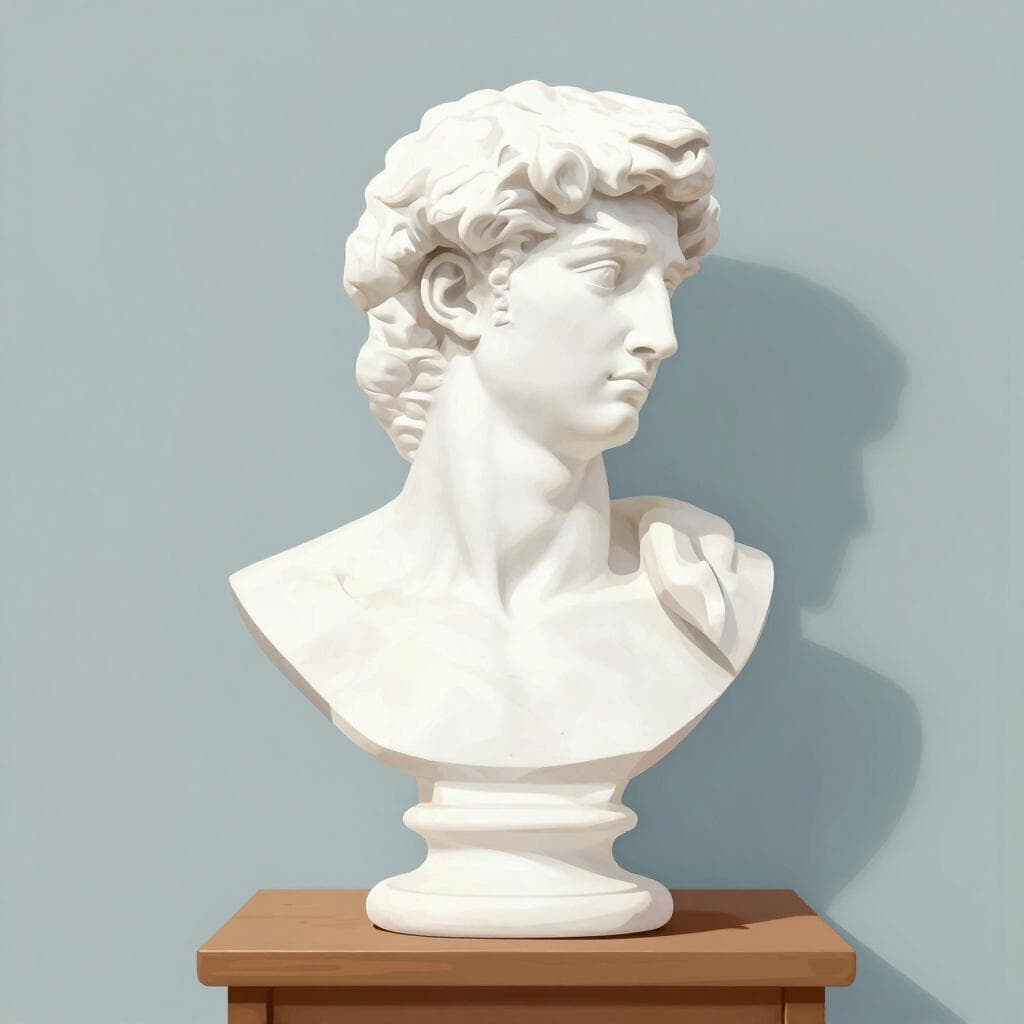
The most common Spanish word for “sculpture” is “escultura” — use 'escultura' for any physical work of art that has been sculpted or for the art form itself. It's the most versatile and common translation.
escultura
es-kool-TOO-rahesˈkultuɾa
Examples
Hay una escultura muy bonita en la plaza.
There is a very beautiful sculpture in the square.
Vimos una escultura de mármol en el museo.
We saw a marble sculpture in the museum.
Las esculturas abstractas pueden ser difíciles de entender.
Abstract sculptures can be difficult to understand.
Ella estudia escultura en la escuela de bellas artes.
She is studying sculpture at the school of fine arts.
Always Feminine
Even if the sculpture is of a man, the word 'escultura' is always feminine. You must always use 'la' or 'una' with it.
Plural Form
To talk about more than one, simply add an 's' at the end: 'las esculturas'.
Abstract Concept
When talking about the art form in general, you usually include the article 'la', like 'Me gusta la escultura' (I like sculpture).
Action vs. Result
Spanish uses the same word for the finished product and the art itself. The context tells you if you mean the object or the practice.
Gender confusion
Mistake: “El escultura es grande.”
Correction: La escultura es grande. Because the word ends in '-a', it is almost always feminine in Spanish.
Confusing the art and the artist
Mistake: “Él es un escultura famoso.”
Correction: Él es un escultor famoso. Use 'escultura' for the art/object and 'escultor' for the person who makes it.
estatua
es-TAH-twaesˈtatwa
Examples
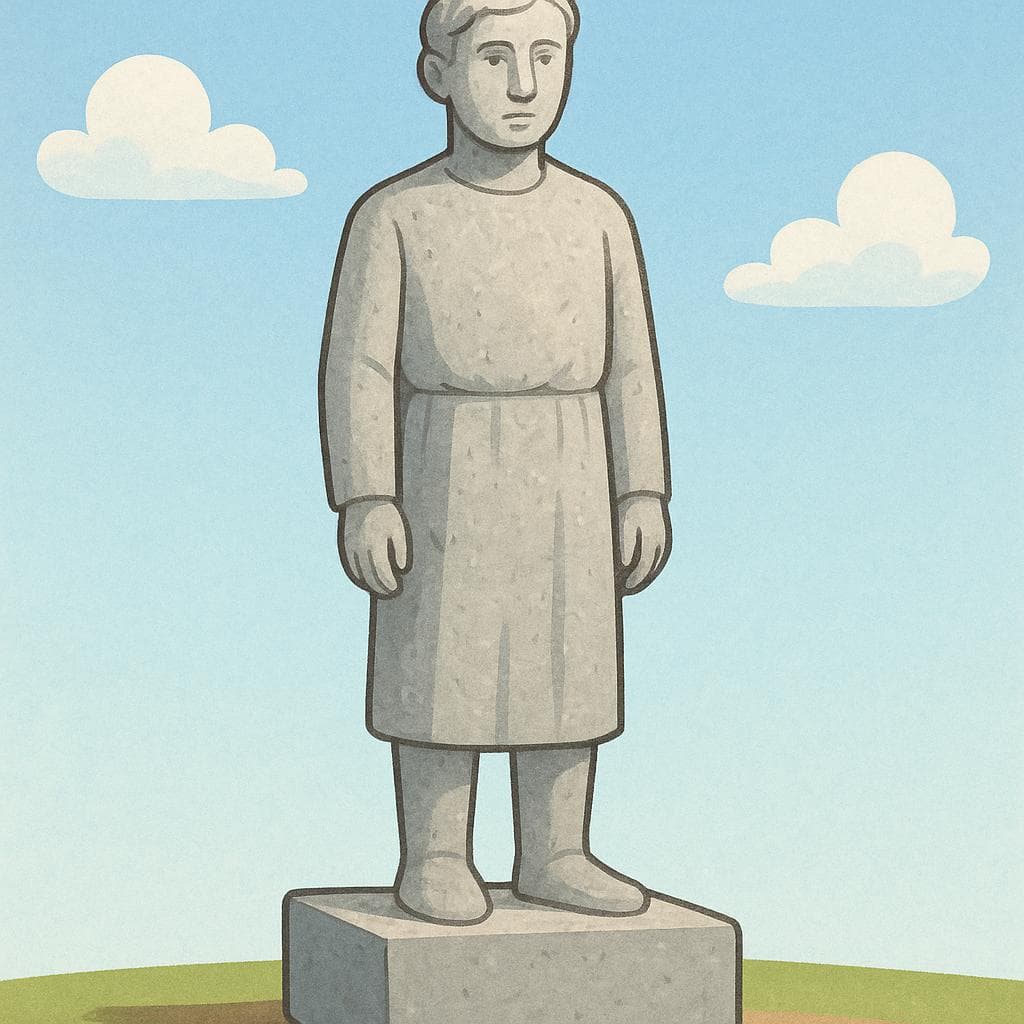
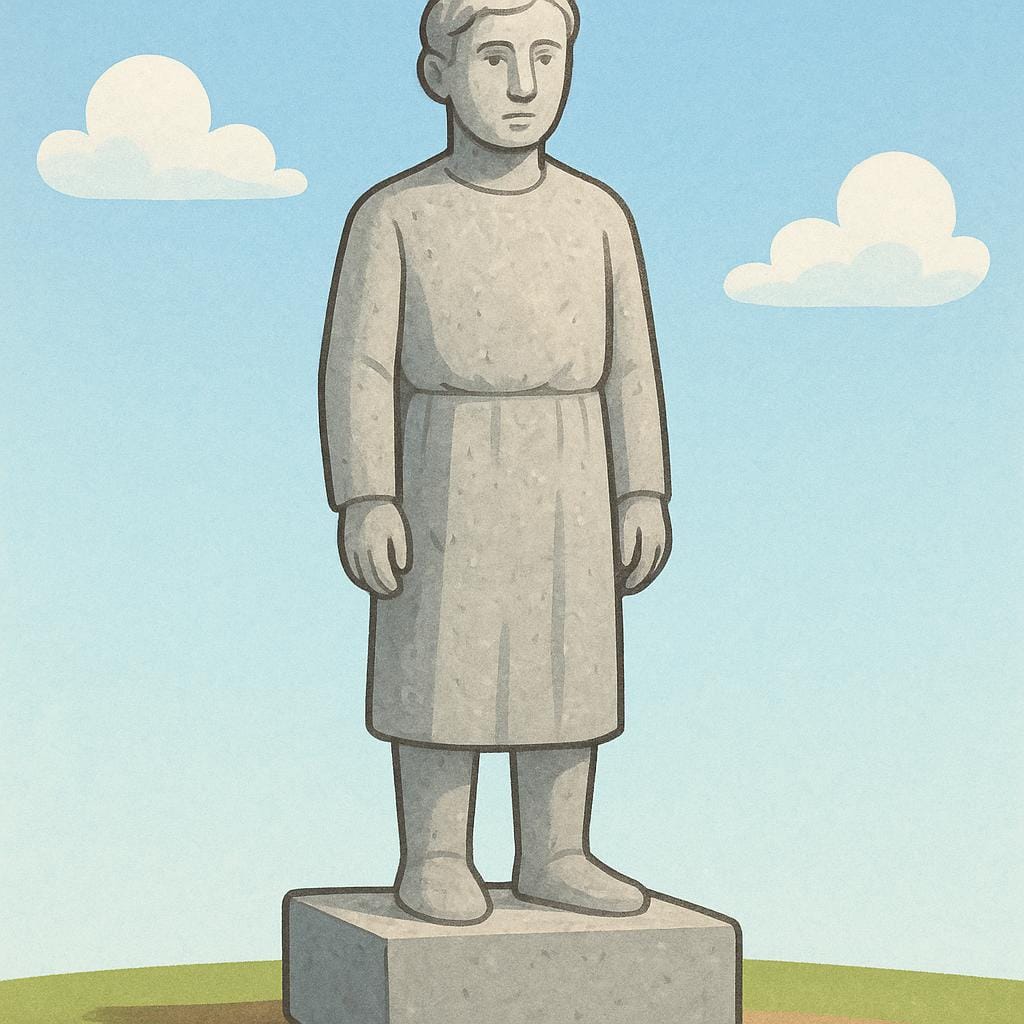
En la plaza central hay una estatua de un héroe nacional.
In the central square there is a statue of a national hero.
La estatua de bronce fue dañada por la tormenta.
The bronze statue was damaged by the storm.
Ella se quedó inmóvil como una estatua cuando escuchó la noticia.
She stood still like a statue when she heard the news.
Always Feminine
Since 'estatua' ends in '-a', it is a feminine noun. You must always use feminine articles ('la estatua') and feminine adjectives ('una estatua grande').
Defining Material
To specify what the statue is made of, use the preposition 'de' (of/made of): 'la estatua de oro' (the statue made of gold).
Confusing Gender
Mistake: “El estatua es grande.”
Correction: La estatua es grande. (Remember it's always feminine, 'la'.)
talla
TAH-yahˈtaʎa
Examples
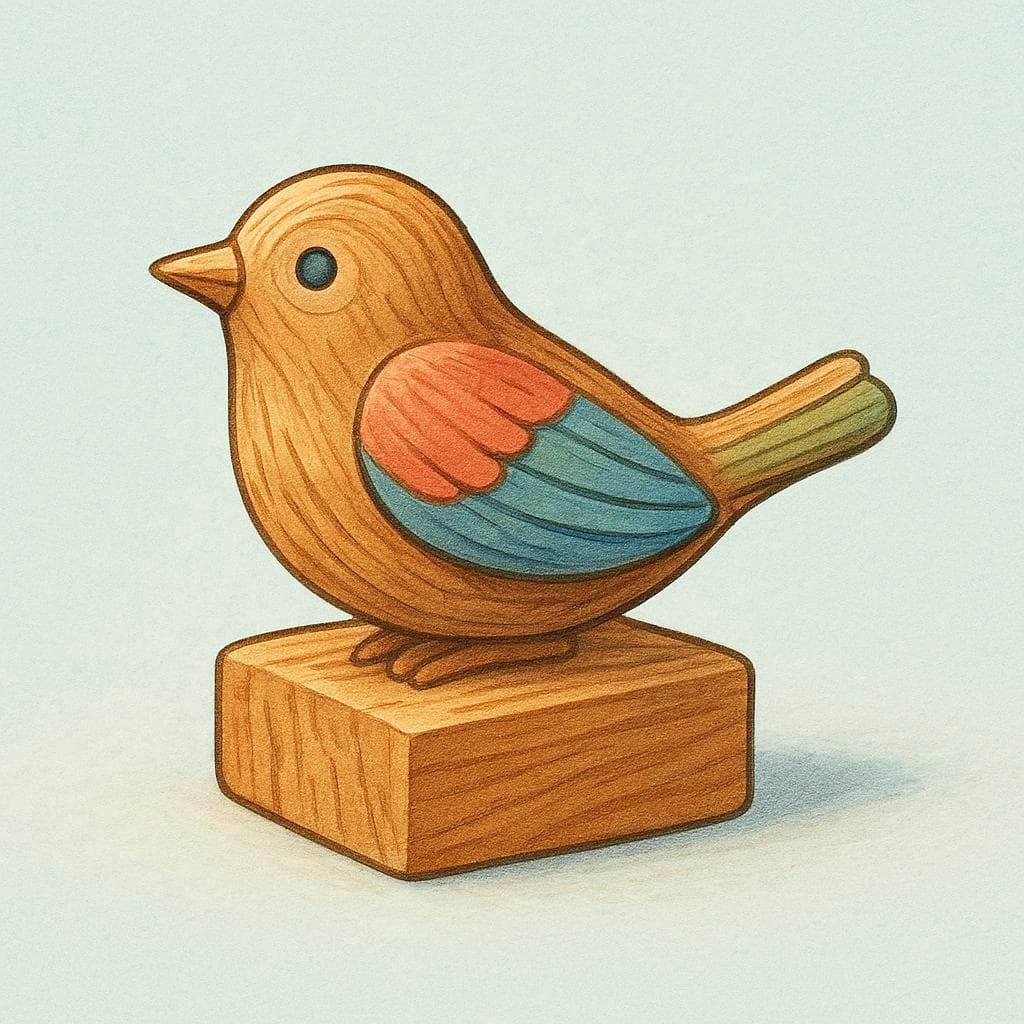
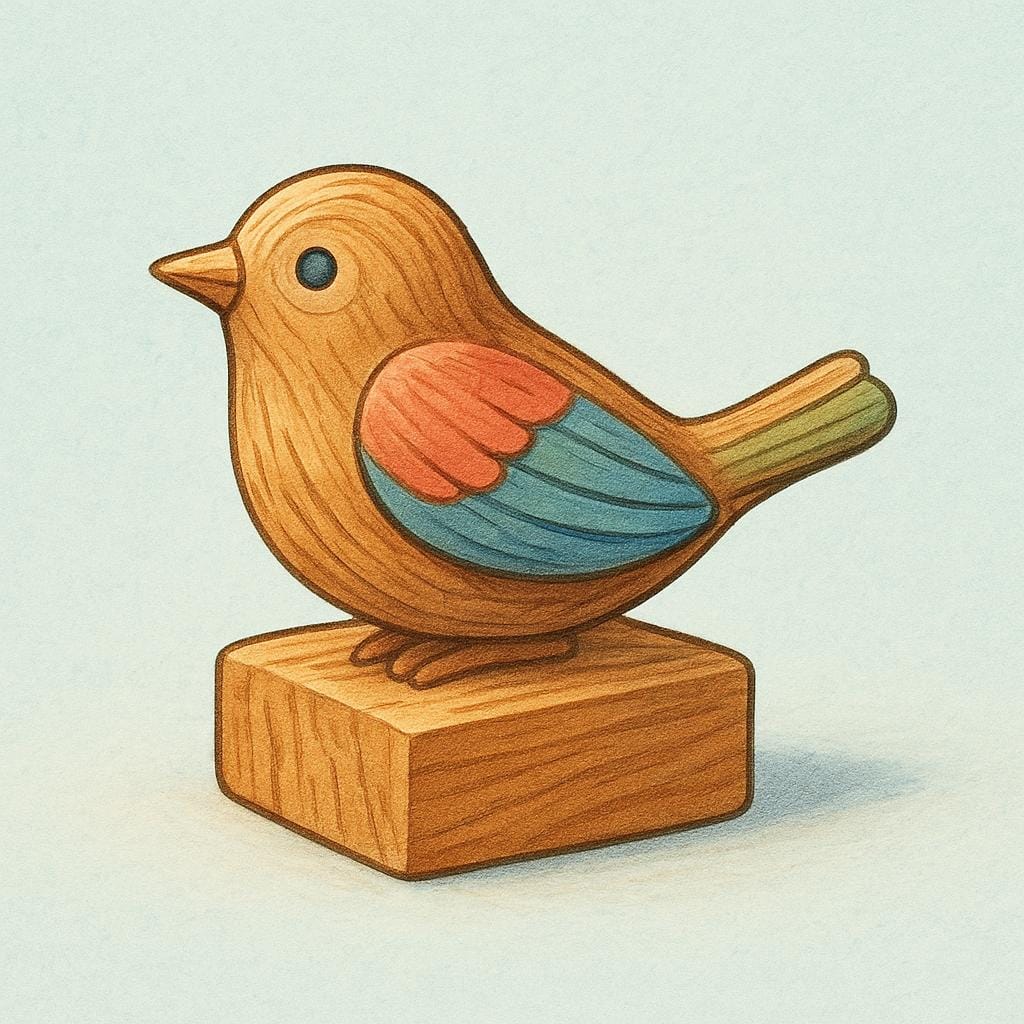
La iglesia está llena de tallas de madera antiguas.
The church is full of ancient wooden carvings (sculptures).
El diamante tiene una talla perfecta que refleja la luz.
The diamond has a perfect cut that reflects the light.
Connection to the Verb
This meaning comes directly from the verb 'tallar,' which means 'to carve' or 'to cut.' 'Talla' is the resulting object or the act itself.
General vs. Specific
Related Translations
Learn Spanish with Inklingo
Interactive stories, personalized learning, and more.