golpeó
“golpeó” means “hit” in Spanish. It has 2 different meanings depending on context:


hit, struck
Also: knocked, slammed into
📝 In Action
El coche rojo golpeó el muro de contención.
A2The red car hit the retaining wall.
Ella golpeó la mesa con el puño de la frustración.
B1She hit the table with her fist out of frustration.
El viento fuerte golpeó la puerta hasta que se abrió.
B1The strong wind struck the door until it opened.
shocked, took a toll on
Also: devastated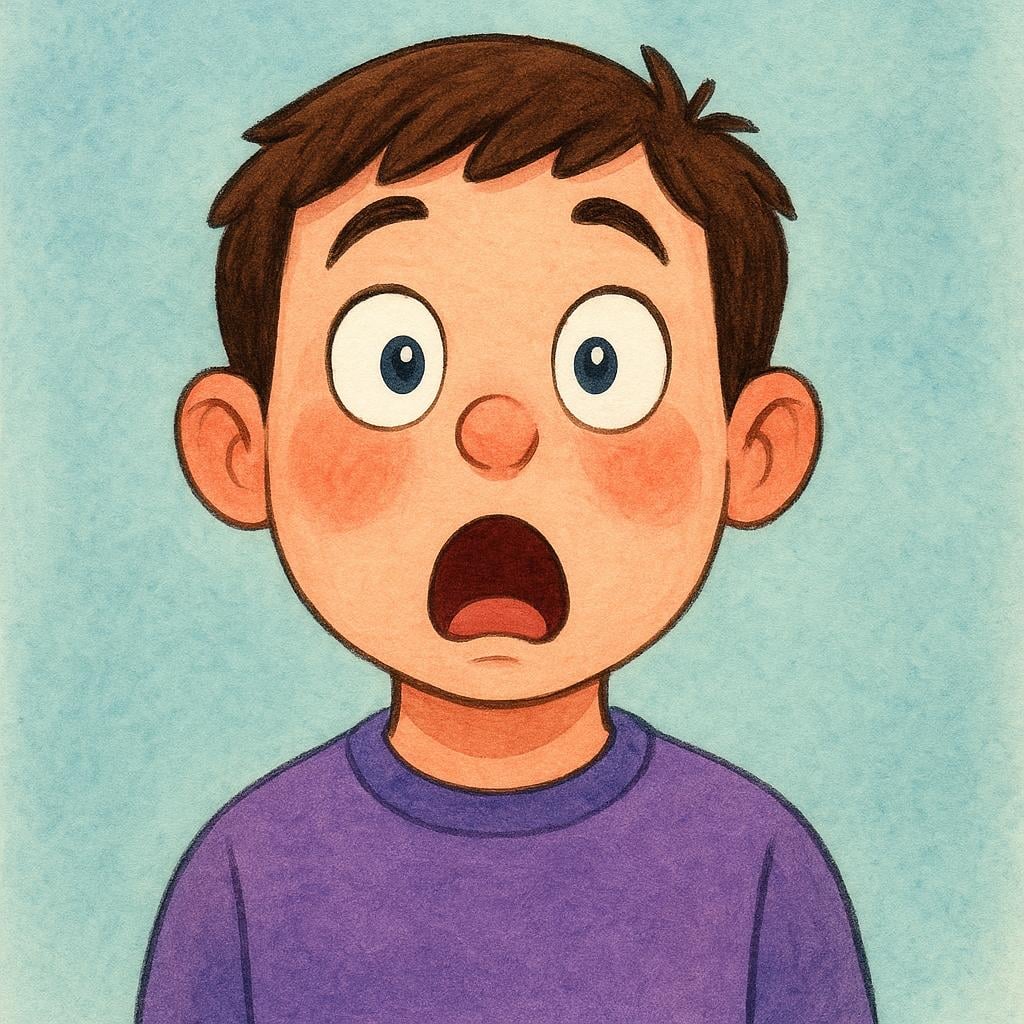
📝 In Action
La crisis económica golpeó con fuerza a las pequeñas empresas.
B2The economic crisis hit small businesses hard.
Su muerte golpeó a toda la familia; fue inesperado.
C1His death shocked the whole family; it was unexpected.
🔄 Conjugations
indicative
present
imperfect
preterite
subjunctive
present
imperfect
Translate to Spanish
Words that translate to "golpeó" in Spanish:
slammed into→✏️ Quick Practice
Quick Quiz: golpeó
Question 1 of 1
Which sentence uses 'golpeó' to describe a sudden emotional impact, not a physical one?
📚 More Resources
👥 Word Family▼
📚 Etymology▼
Comes from the Spanish noun 'golpe' (a hit or blow). The root 'golpe' is believed to be echoic (imitating the sound of a blow) or perhaps derived from Germanic words related to striking.
First recorded: Medieval period (as the root 'golpe')
Cognates (Related words)
💡 Master Spanish
Take your Spanish to the next level. Read 200+ illustrated and narrated Spanish stories tailored to your level with the Inklingo app!
Frequently Asked Questions
¿Qué significa 'golpeó'?
'Golpeó' means 'he, she, it, or you (formal) hit/struck' and is the simple past tense of the verb 'golpear'. It describes a completed action that happened at a specific point in the past.
Is 'golpeó' regular or irregular?
The verb 'golpear' is a regular '-ar' verb. This means its endings follow the standard, predictable pattern for verbs like 'hablar' or 'cantar', making its conjugation easy to remember.