husmear
“husmear” means “to sniff” in Spanish (animals searching for a scent).
to sniff, to snoop
Also: to pry, to scent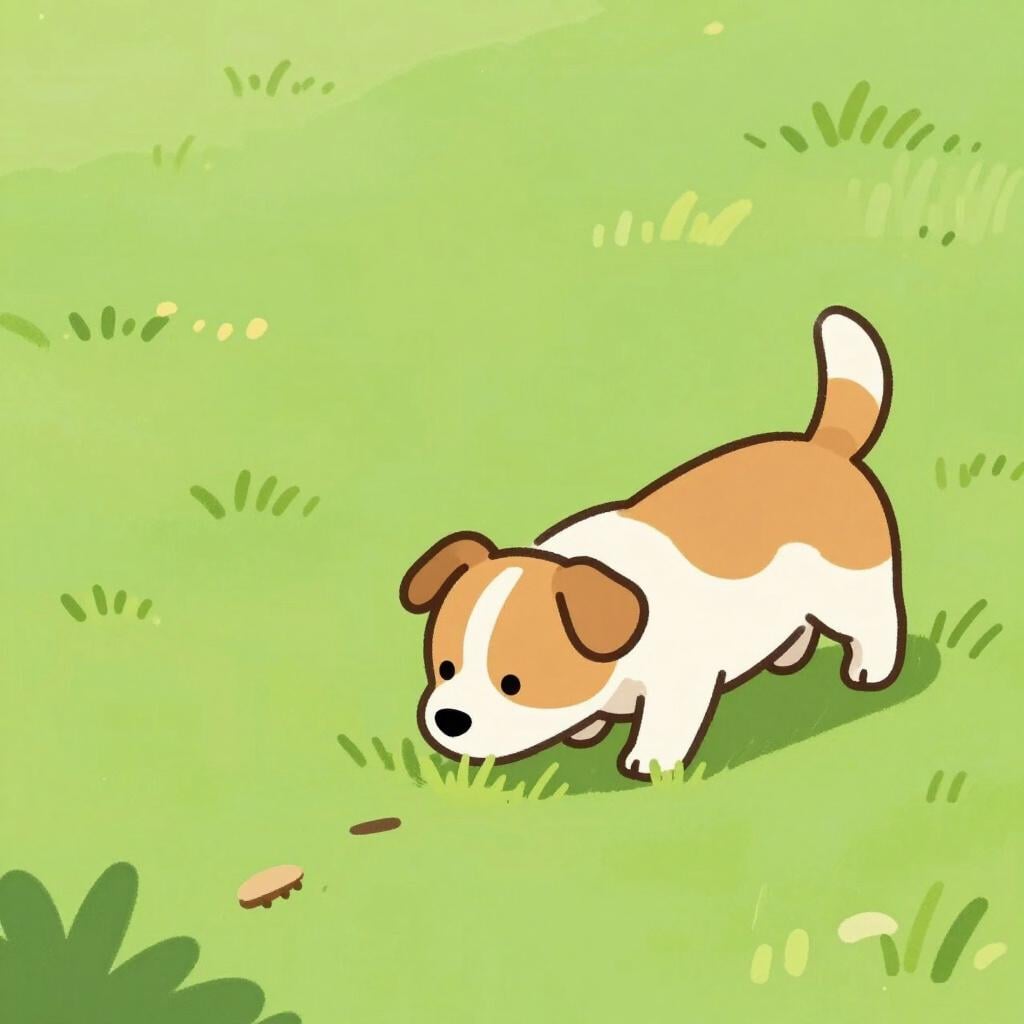
📝 In Action
El perro empezó a husmear el rastro del conejo en el jardín.
B1The dog started to sniff the rabbit's trail in the garden.
No me gusta que la gente venga a husmear en mi oficina.
B2I don't like people coming to snoop around in my office.
Vimos a un extraño husmeando cerca de la puerta trasera.
C1We saw a stranger poking around near the back door.
Subjunctive
Imperfect Subjunctive
Present Subjunctive
Indicative
Preterite
Imperfect
Present
✏️ Quick Practice
Quick Quiz: husmear
Question 1 of 3
What is the best translation for 'El gato husmea la comida'?
📚 More Resources
👥 Word Family▼
📚 Etymology▼
Derived from 'husmo', which referred to the smell given off by meat starting to spoil, from the Latin word 'fusmus' (smoke/vapor).
First recorded: 15th century
Cognates (Related words)
💡 Master Spanish
Take your Spanish to the next level. Read 200+ illustrated and narrated Spanish stories tailored to your level with the Inklingo app!
Frequently Asked Questions
Is 'husmear' a rude word?
When used for animals, it's just a description. When used for humans, it usually implies that someone is being nosy or prying where they shouldn't, so it can be slightly negative.
What is the difference between 'oler' and 'husmear'?
'Oler' is the general ability to smell something. 'Husmear' is the action of actively sniffing or searching for a smell or information.
Is 'husmear' a regular verb?
Yes! It follows the standard pattern for all '-ar' verbs in Spanish, so it's quite easy to conjugate.