How to Say "to scent" in Spanish
The most common Spanish word for “to scent” is “oler” — use 'oler' when referring to a dog's general ability to detect a smell, especially in contexts like hunting or identification.

Use 'oler' when referring to a dog's general ability to detect a smell, especially in contexts like hunting or identification.
Learn more →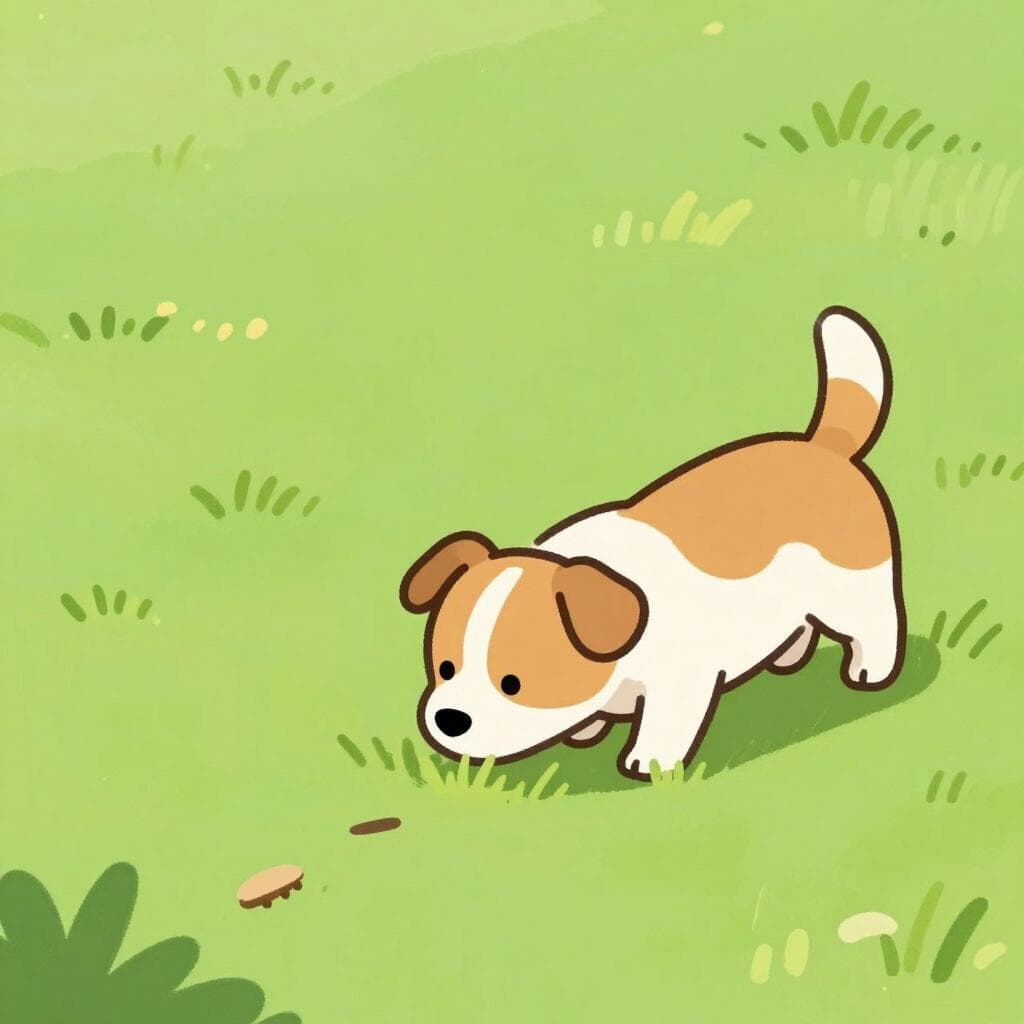
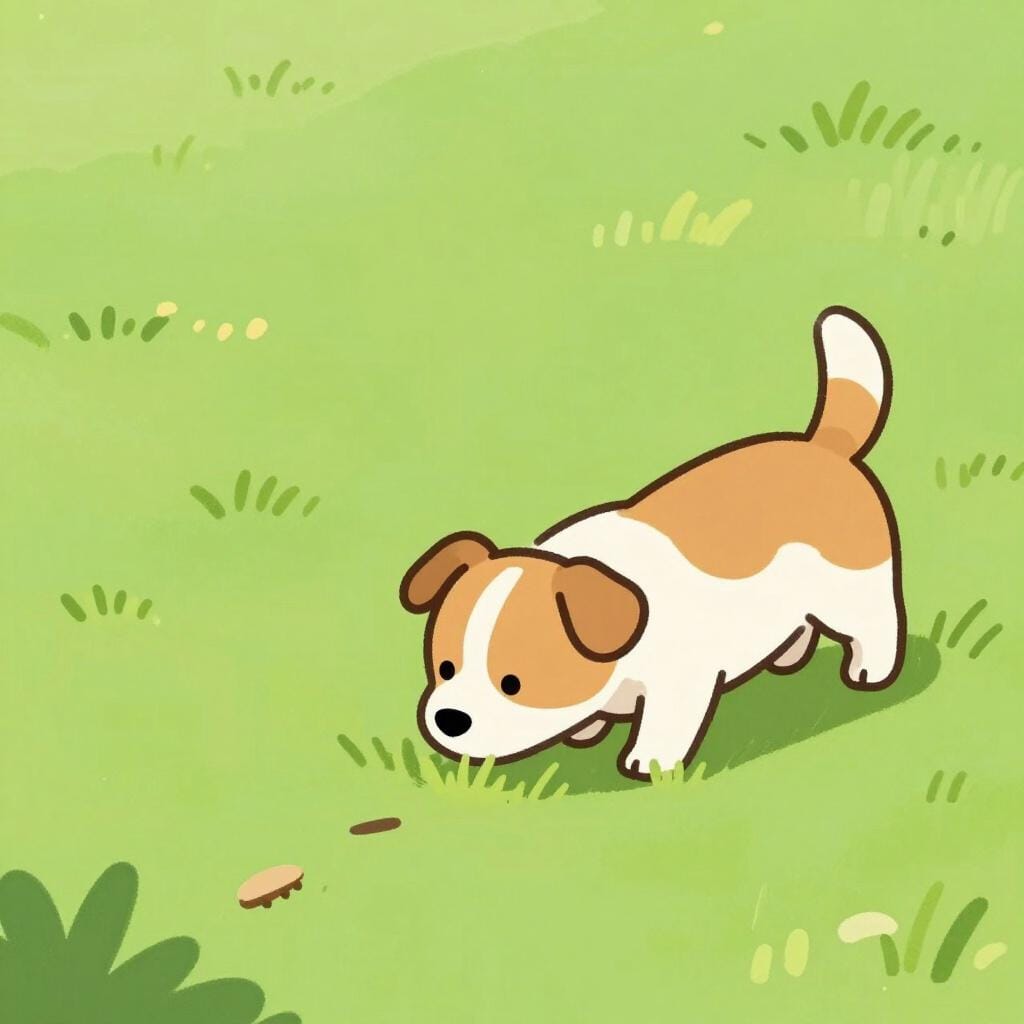
Use 'husmear' to describe the act of actively sniffing around to detect a faint or hidden smell, often implying curiosity or investigation.
Learn more →oh-LEHRoˈleɾ

Examples
El perro olió mi mano y luego se fue.
The dog sniffed my hand and then left.
Olemos las flores antes de comprarlas.
We smell the flowers before buying them.
Hueles la leche para ver si está caducada.
You smell the milk to see if it's expired.
Direct Object
In this meaning, 'oler' takes a direct object (the thing you are smelling): 'Oler la sopa' (to smell the soup).
oos-meh-AHRus.meˈaɾ
Examples
El perro empezó a husmear el rastro del conejo en el jardín.
The dog started to sniff the rabbit's trail in the garden.
No me gusta que la gente venga a husmear en mi oficina.
I don't like people coming to snoop around in my office.
Vimos a un extraño husmeando cerca de la puerta trasera.
We saw a stranger poking around near the back door.
Using the word with 'en'
When you are 'snooping' or 'prying' into something specific, like a drawer or a conversation, always follow the verb with the word 'en'.
Sniffing vs. Smelling
Unlike 'oler' (to smell), which can be passive, 'husmear' is an active movement where you are searching for a scent or info.
Husmear vs. Oler
Mistake: “Huelo en tu cajón.”
Correction: Husmeo en tu cajón. (Use 'husmear' for the physical act of prying or searching through something).
Oler vs. Husmear
Learners often confuse 'oler' and 'husmear' because both relate to smelling. Remember that 'oler' is more general, like a dog simply detecting a scent, while 'husmear' implies a more deliberate, investigative sniffing, often for something hidden.
Related Translations
Learn Spanish with Inklingo
Interactive stories, personalized learning, and more.