inscribir
“inscribir” means “to enroll” in Spanish. It has 2 different meanings depending on context:

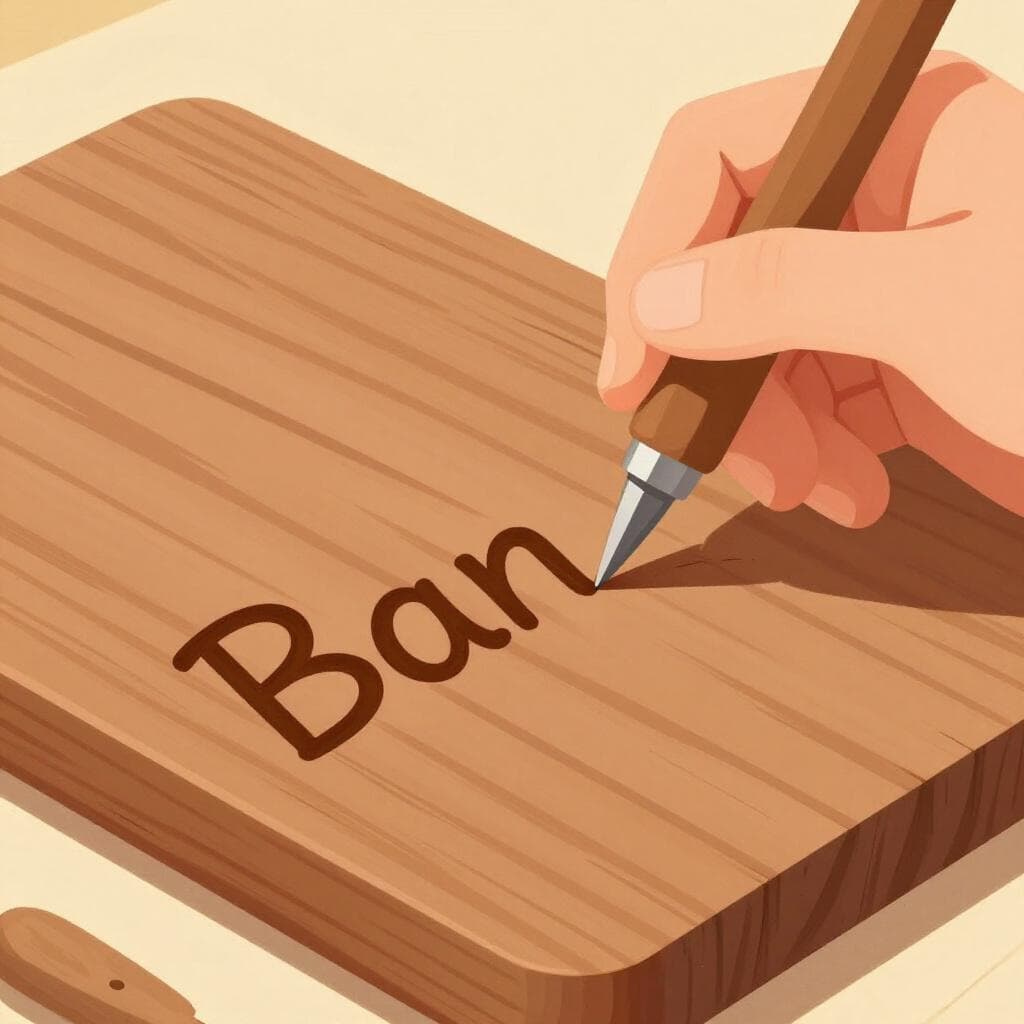
to enroll, to register
Also: to sign up
📝 In Action
Tengo que inscribir a mi hijo en la escuela.
A2I have to enroll my son in school.
Me voy a inscribir en el curso de cocina.
A2I'm going to sign myself up for the cooking course.
Ellos inscribieron a su equipo en el torneo.
B1They registered their team in the tournament.
to engrave, to inscribe
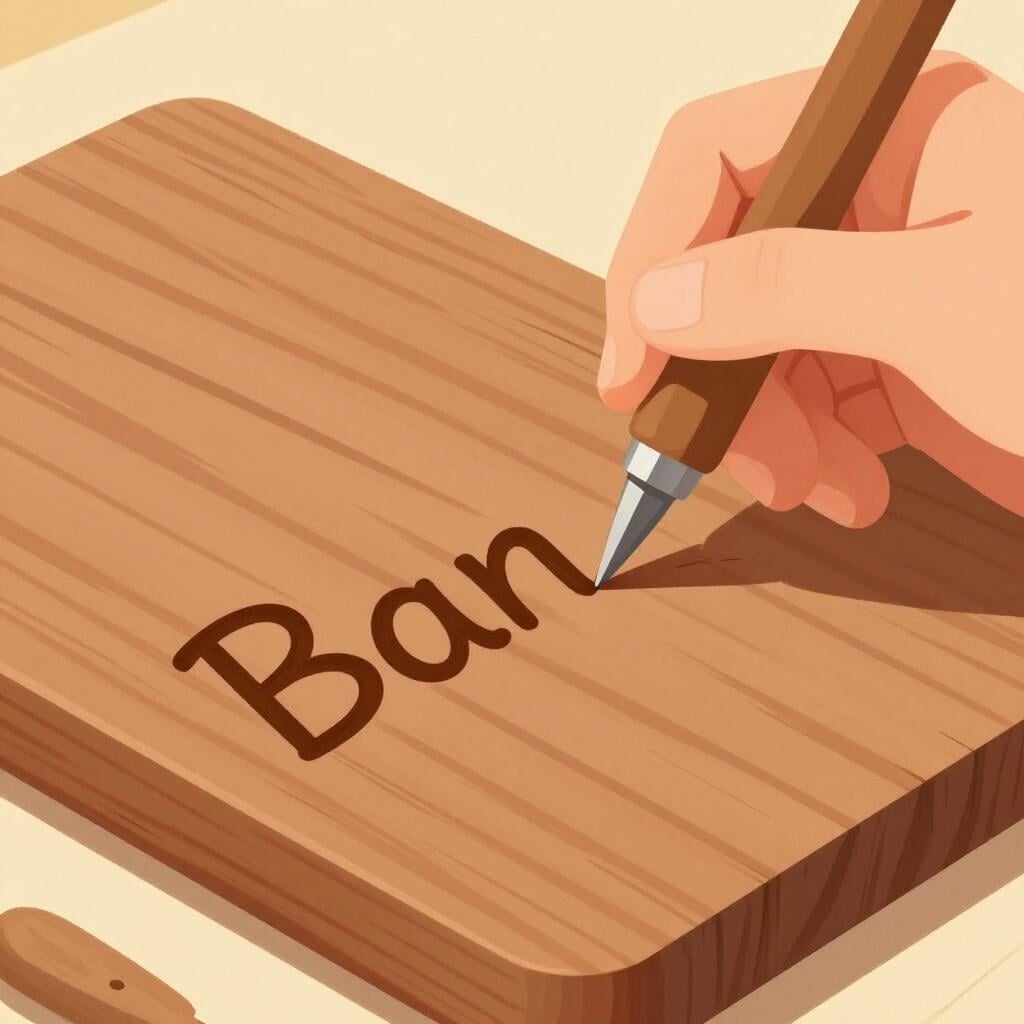
📝 In Action
Inscribieron sus iniciales en el tronco del árbol.
B2They carved their initials into the tree trunk.
El joyero inscribió una dedicatoria en el anillo.
C1The jeweler engraved a dedication on the ring.
Subjunctive
Imperfect Subjunctive
Present Subjunctive
Indicative
Preterite
Imperfect
Present
Translate to Spanish
✏️ Quick Practice
Quick Quiz: inscribir
Question 1 of 3
Which of these is the correct way to say 'I have signed up'?
📚 More Resources
👥 Word Family▼
📚 Etymology▼
From the Latin word 'inscribere', which literally means 'to write upon'. It combines 'in-' (upon) and 'scribere' (to write).
First recorded: 13th century
Cognates (Related words)
💡 Master Spanish
Take your Spanish to the next level. Read 200+ illustrated and narrated Spanish stories tailored to your level with the Inklingo app!
Frequently Asked Questions
What is the difference between 'inscribir' and 'matricular'?
'Matricular' is almost always for official school or university enrollment. 'Inscribir' is more general and can be used for workshops, gyms, competitions, or engraving.
Is 'inscribido' ever correct?
No. In modern Spanish, 'inscrito' is the only accepted past participle. You might see 'inscribido' in very old legal texts, but you should never use it in conversation or modern writing.
Do I use 'en' or 'a' after 'inscribirse'?
Usually, you use 'en'. For example: 'Me inscribí en el curso'. However, 'a' is sometimes used for events: 'Me inscribí a la maratón'.