jugó
“jugó” means “played” in Spanish (past action involving sports, games, or activities).
played
Also: gambled / bet, played a part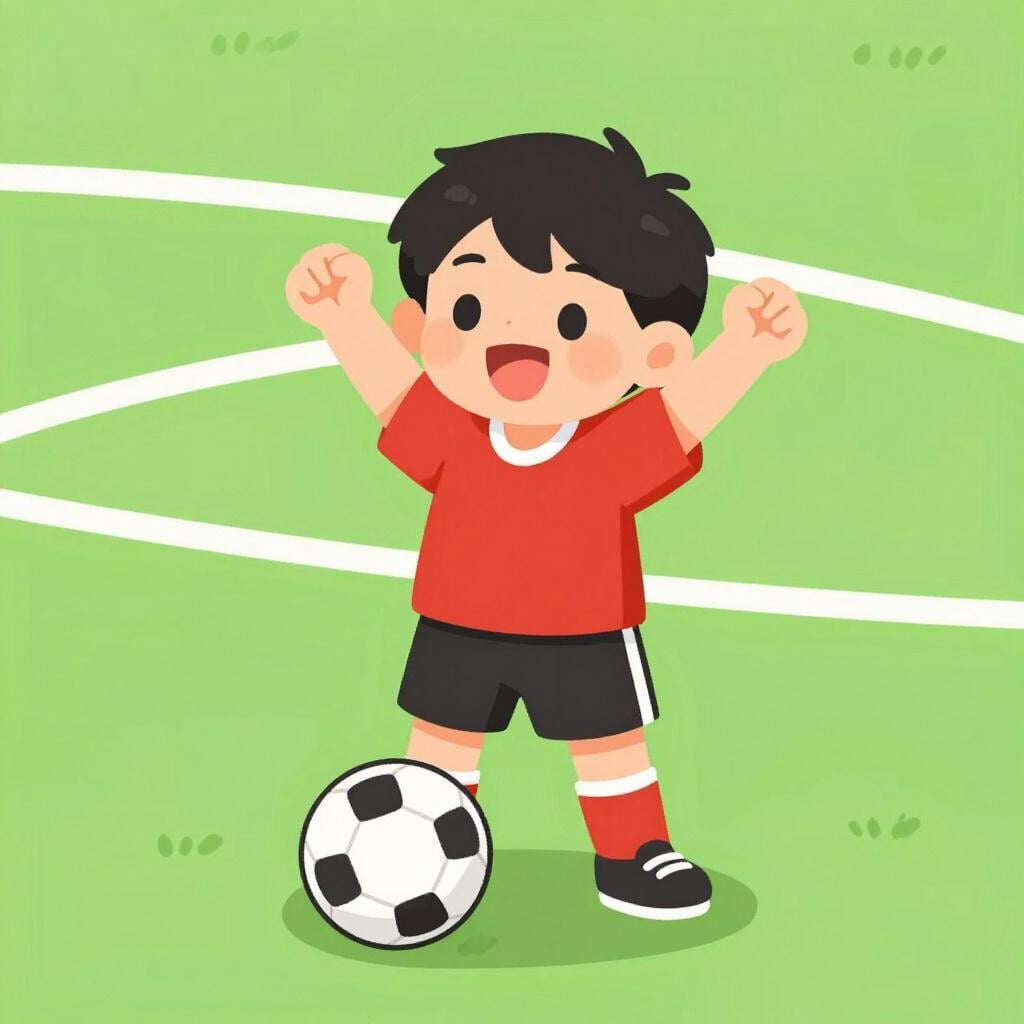
📝 In Action
Él jugó al tenis toda la tarde.
A1He played tennis all afternoon.
Ella jugó un papel clave en el proyecto.
B1She played a key role in the project.
Usted jugó muy bien en el partido de ayer.
A2You (formal) played very well in yesterday's match.
🔄 Conjugations
subjunctive
imperfect
present
indicative
preterite
imperfect
present
✏️ Quick Practice
Quick Quiz: jugó
Question 1 of 1
Which of these sentences means 'He played well'?
📚 More Resources
📚 Etymology▼
From the Latin verb 'jocari', which means to jest, joke, or play. This is why many related words in Spanish and English (like 'joke') involve having fun or games.
First recorded: 12th century
Cognates (Related words)
💡 Master Spanish
Take your Spanish to the next level. Read 200+ illustrated and narrated Spanish stories tailored to your level with the Inklingo app!
Frequently Asked Questions
Does 'jugó' always need an accent mark?
Yes! In Spanish, the accent on the final 'o' is what distinguishes this past-tense verb ('he played') from the noun 'jugo' ('juice').
Can I use 'jugó' for playing an instrument?
No. In Spanish, you use 'tocar' for instruments. Use 'jugó' only for sports, games, and roles.