llevarás
“llevarás” means “you will carry” in Spanish. It has 3 different meanings depending on context:
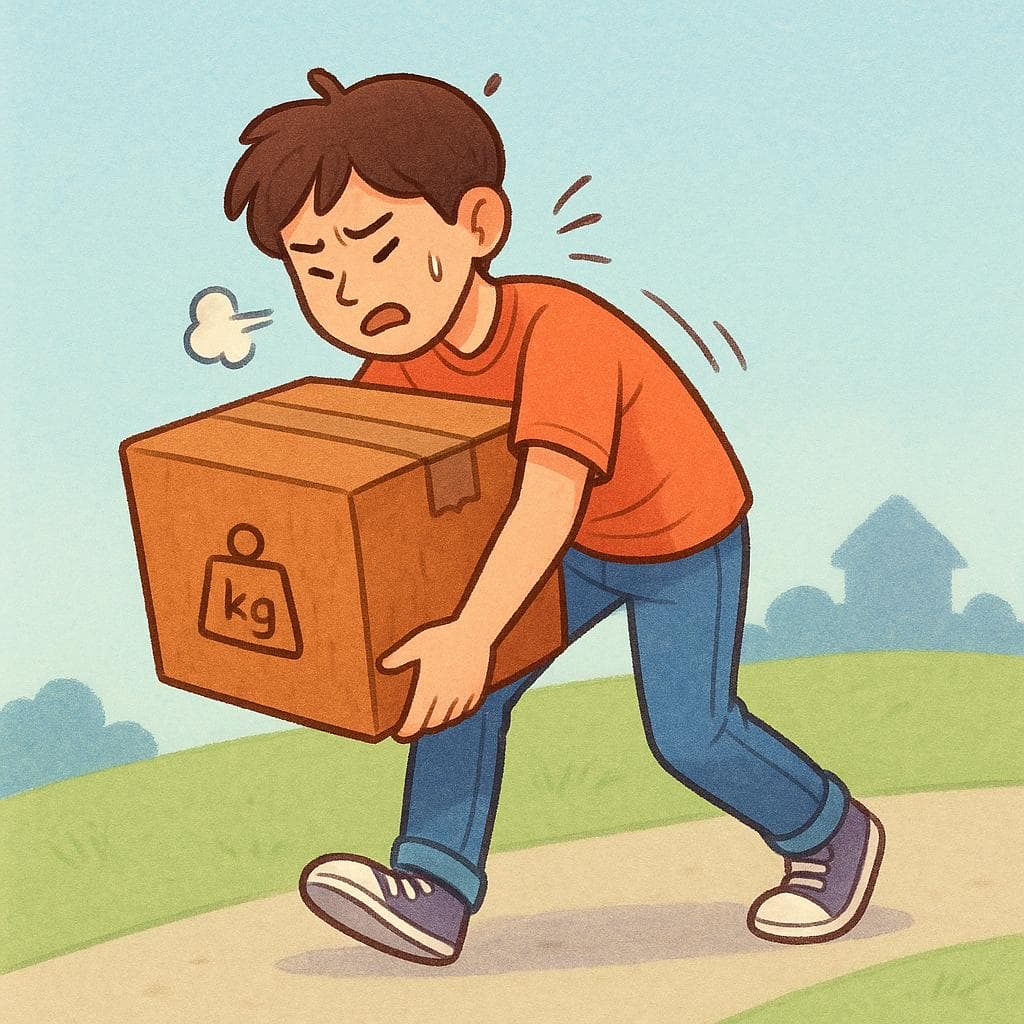


you will carry, you will take
Also: you will bring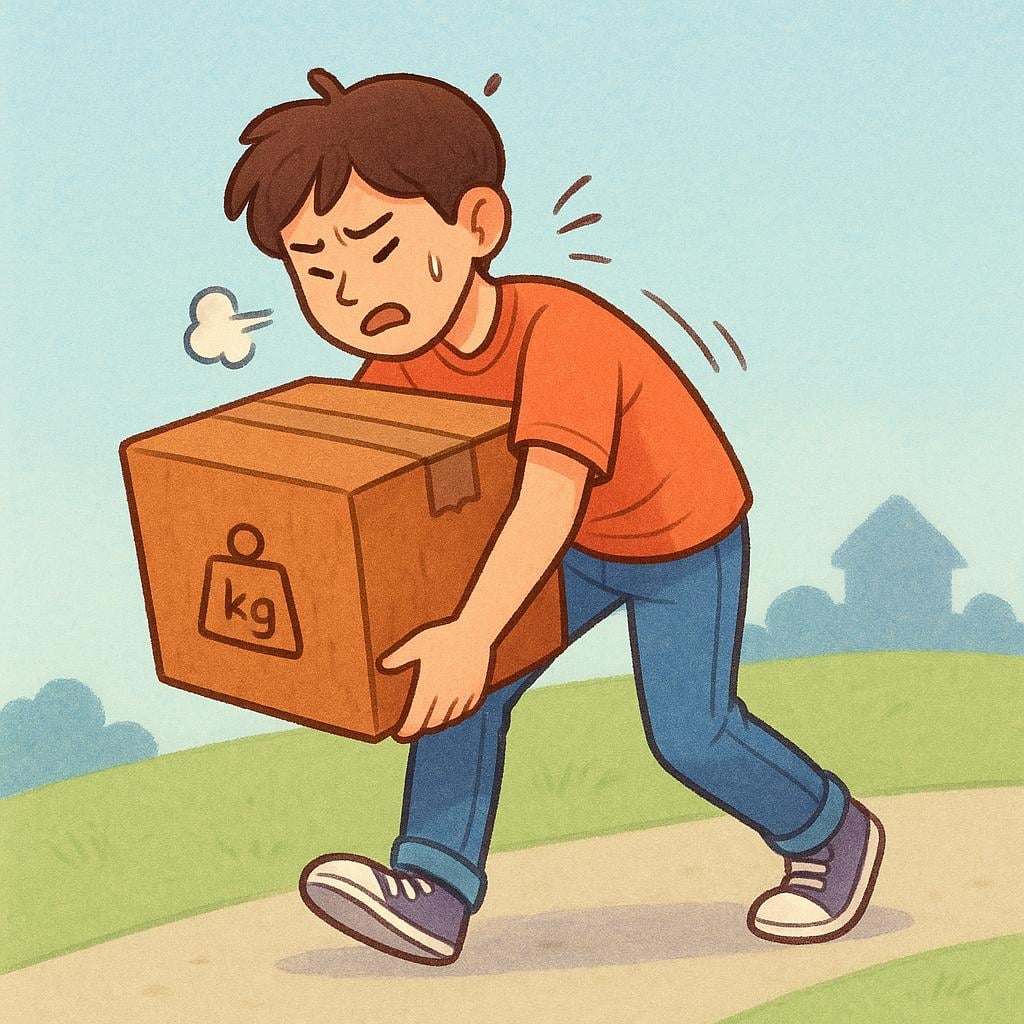
📝 In Action
Mañana, ¿tú llevarás las maletas al coche?
A1Tomorrow, will you carry the suitcases to the car?
Si no vienes, no llevarás los regalos.
A2If you don't come, you won't take the gifts.
you will wear
Also: you will sport
📝 In Action
¿Llevarás el traje azul o el gris a la boda?
A1Will you wear the blue suit or the gray one to the wedding?
No llevarás gafas de sol dentro del museo.
A2You will not wear sunglasses inside the museum.
you will handle, you will deal with
Also: you will manage
📝 In Action
Sé que tú llevarás muy bien el negocio cuando me retire.
B1I know that you will manage the business very well when I retire.
Este año, llevarás el control de todos los gastos.
B2This year, you will handle the control of all expenses.
🔄 Conjugations
subjunctive
imperfect
present
indicative
imperfect
present
preterite
✏️ Quick Practice
Quick Quiz: llevarás
Question 1 of 2
Which English translation best fits the sentence: '¿Llevarás el paraguas si llueve?'
📚 More Resources
👥 Word Family▼
🎵 Rhymes▼
📚 Etymology▼
The word comes from the Latin verb *levare*, which meant 'to lift' or 'to raise.' This original idea of lifting something up is why 'llevar' means both 'to carry' and 'to wear' (to lift clothing onto the body).
First recorded: 10th century
Cognates (Related words)
💡 Master Spanish
Take your Spanish to the next level. Read 200+ illustrated and narrated Spanish stories tailored to your level with the Inklingo app!
Frequently Asked Questions
Why does 'llevarás' mean both 'you will carry' and 'you will wear'?
The core concept of 'llevar' is movement or transport. You 'carry' a box (physical transport) and you 'wear' clothes (transporting the fabric onto your body). The context of the sentence tells you which meaning is correct.
Is 'llevarás' an irregular verb form?
No, 'llevar' is a regular -ar verb. Its future tense conjugation ('llevaré, llevarás, llevará...') follows the standard pattern for all regular -ar verbs, making it easy to learn.