mantenernos
“mantenernos” means “to keep ourselves” in Spanish. It has 2 different meanings depending on context:
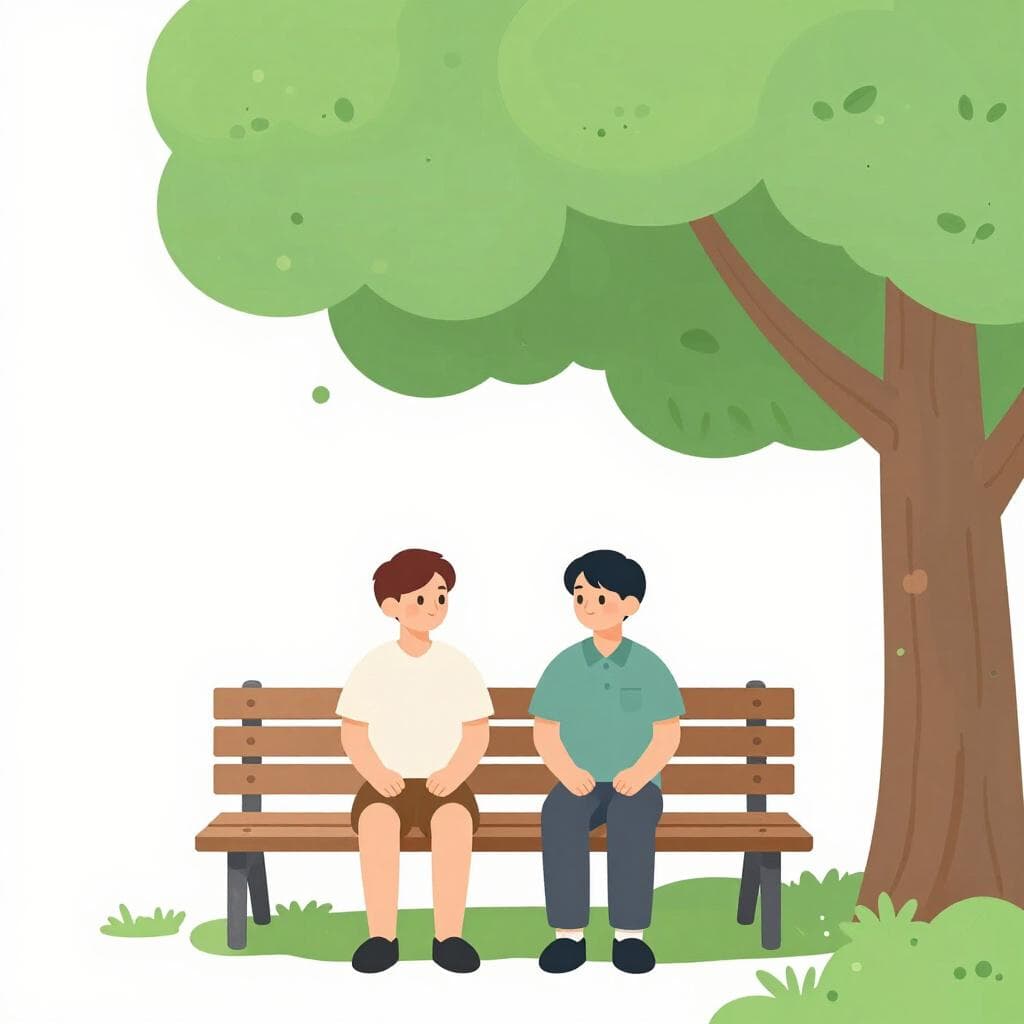

to keep ourselves
Also: to stay
📝 In Action
Debemos mantenernos unidos en los momentos difíciles.
A2We must stay united in difficult moments.
Hacemos ejercicio para mantenernos sanos.
A2We exercise to keep ourselves healthy.
Es importante mantenernos en contacto.
B1It is important for us to stay in touch.
to support ourselves
Also: to provide for ourselves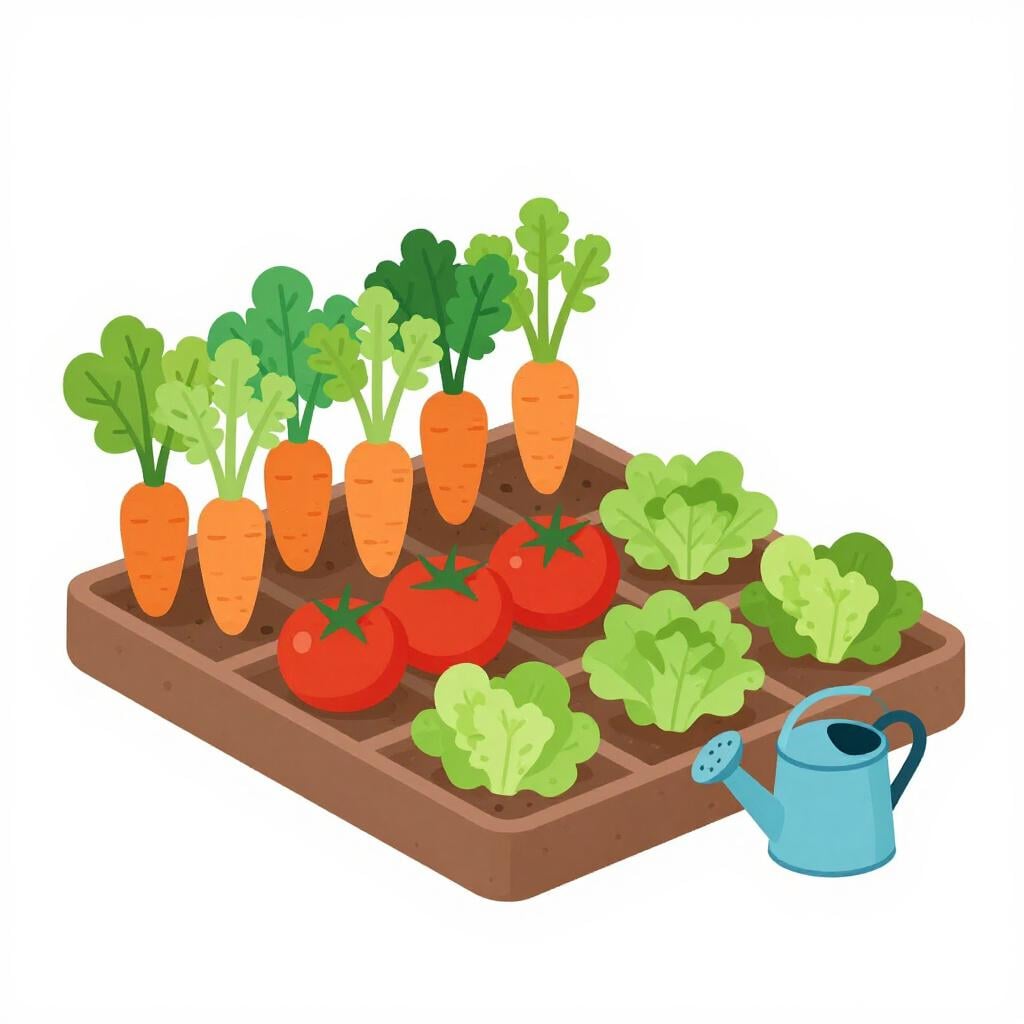
📝 In Action
Trabajamos duro para poder mantenernos sin ayuda.
B1We work hard to be able to support ourselves without help.
🔄 Conjugations
subjunctive
imperfect
present
indicative
preterite
imperfect
present
Translate to Spanish
Words that translate to "mantenernos" in Spanish:
to stay→✏️ Quick Practice
Quick Quiz: mantenernos
Question 1 of 2
Which of these phrases means 'to keep ourselves in shape'?
📚 More Resources
👥 Word Family▼
🎵 Rhymes▼
📚 Etymology▼
From the Latin 'manu tenere', which literally means 'to hold in the hand.'
First recorded: 13th century
Cognates (Related words)
💡 Master Spanish
Take your Spanish to the next level. Read 200+ illustrated and narrated Spanish stories tailored to your level with the Inklingo app!
Frequently Asked Questions
Is 'mantenernos' one word or two?
It is written as one word. In Spanish, object pronouns (like 'nos') are attached to the end of infinitives, gerunds, and affirmative commands.
Does it conjugate differently than 'mantener'?
No. The verb part ('mantener') follows all the normal irregular rules of 'mantener.' You simply add 'nos' to the end of the infinitive form.