masculino
“masculino” means “masculine” in Spanish. It has 2 different meanings depending on context:
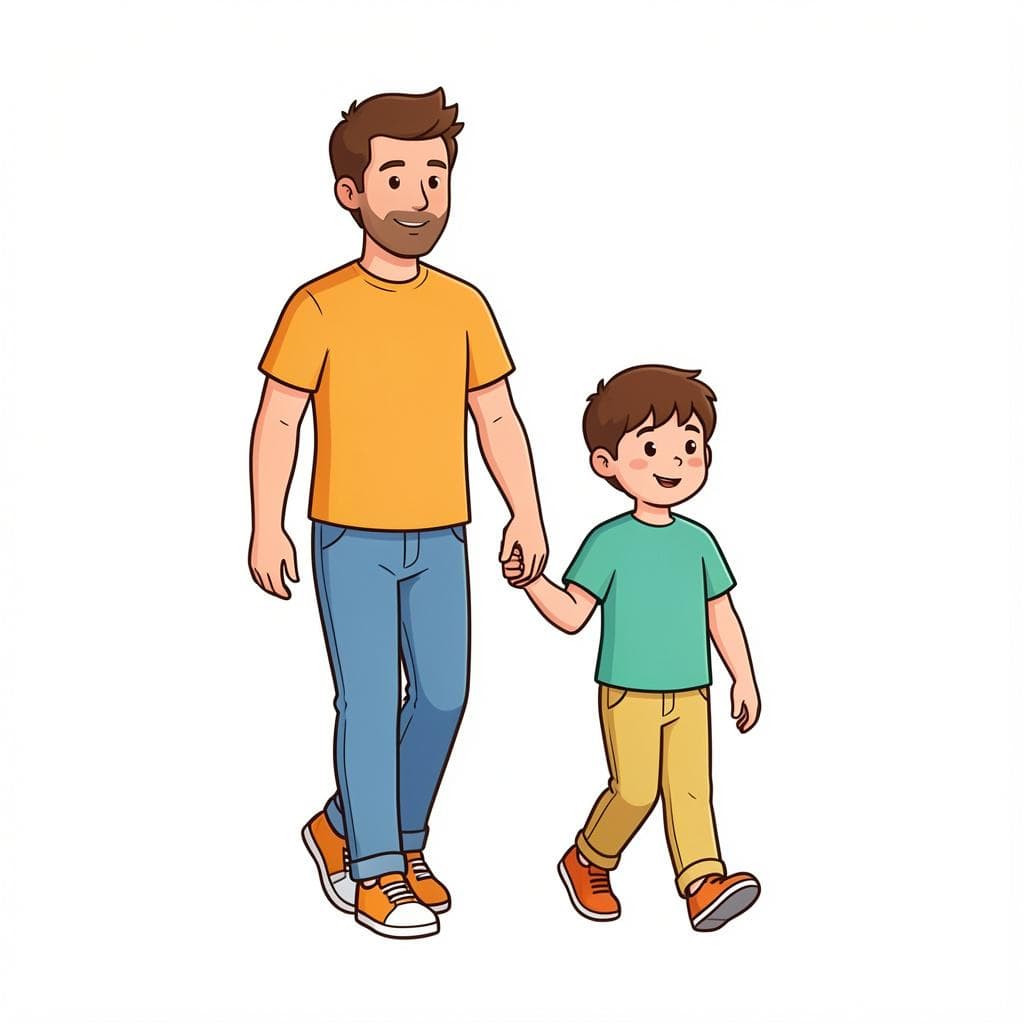

masculine, male
Also: manly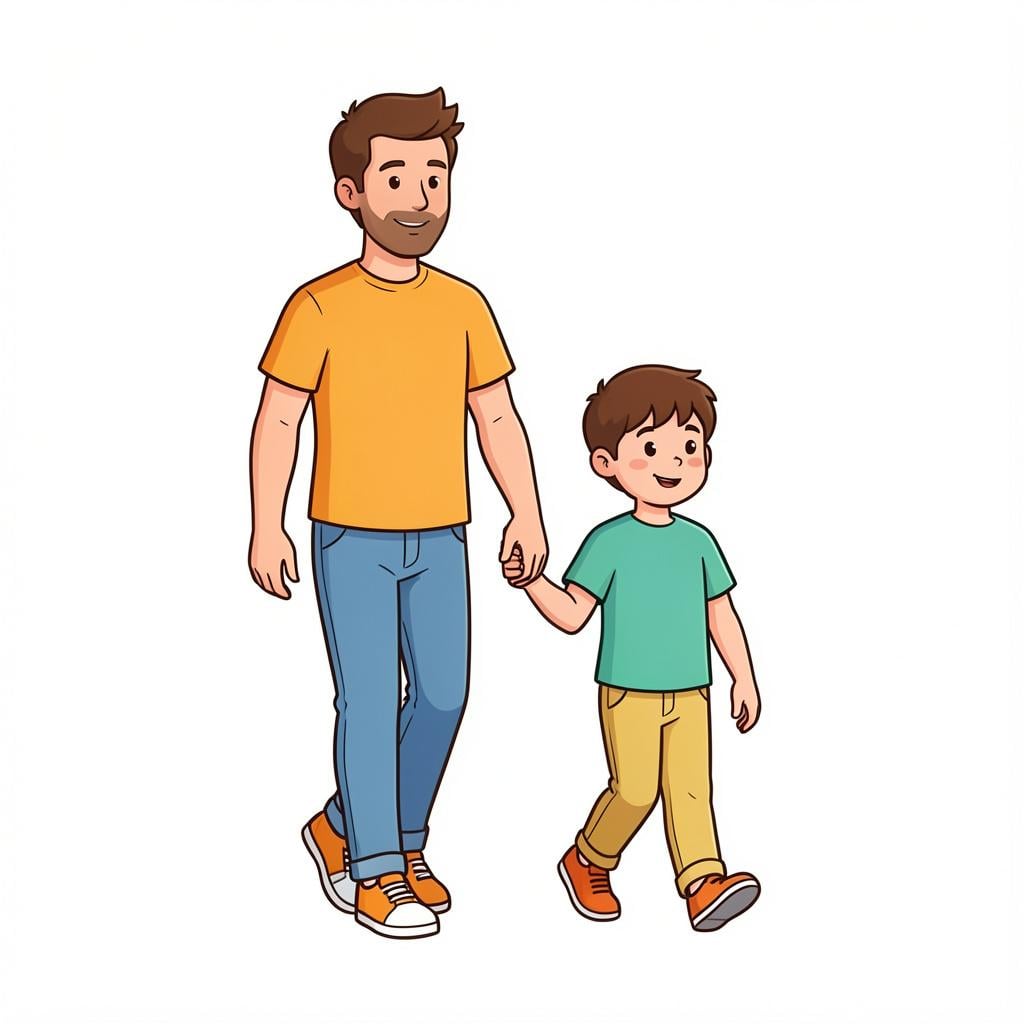
📝 In Action
El baño masculino está al final del pasillo.
A1The men's room is at the end of the hallway.
Tiene una voz muy masculina.
A2He has a very masculine voice.
En español, 'perro' es un nombre masculino.
A1In Spanish, 'perro' (dog) is a masculine noun.
masculine gender
Also: the male
📝 In Action
¿Cuál es el masculino de 'actriz'?
A2What is the masculine form of 'actress'?
En este idioma, el masculino es el género por defecto.
B2In this language, the masculine is the default gender.
Translate to Spanish
✏️ Quick Practice
Quick Quiz: masculino
Question 1 of 2
Which of these is the 'masculino' form of the word 'gata'?
📚 More Resources
👥 Word Family▼
📚 Etymology▼
From the Latin word 'masculinus', which comes from 'masculus' meaning 'male'. It has been used in Spanish since the earliest days of the language to describe both biological sex and grammatical types.
First recorded: 13th century
Cognates (Related words)
💡 Master Spanish
Take your Spanish to the next level. Read 200+ illustrated and narrated Spanish stories tailored to your level with the Inklingo app!
Frequently Asked Questions
Does 'masculino' always mean a person is a man?
Not in grammar! While it describes men and boys, it is also just a category for words. For example, 'el sol' (the sun) is masculine, but that doesn't mean the sun is a person.
How do I know if an adjective should be 'masculino'?
If the noun it describes is masculine, the adjective must be too. Example: 'El carro (m) es rojo (m)'.