muñeco
“muñeco” means “doll” in Spanish. It has 3 different meanings depending on context:
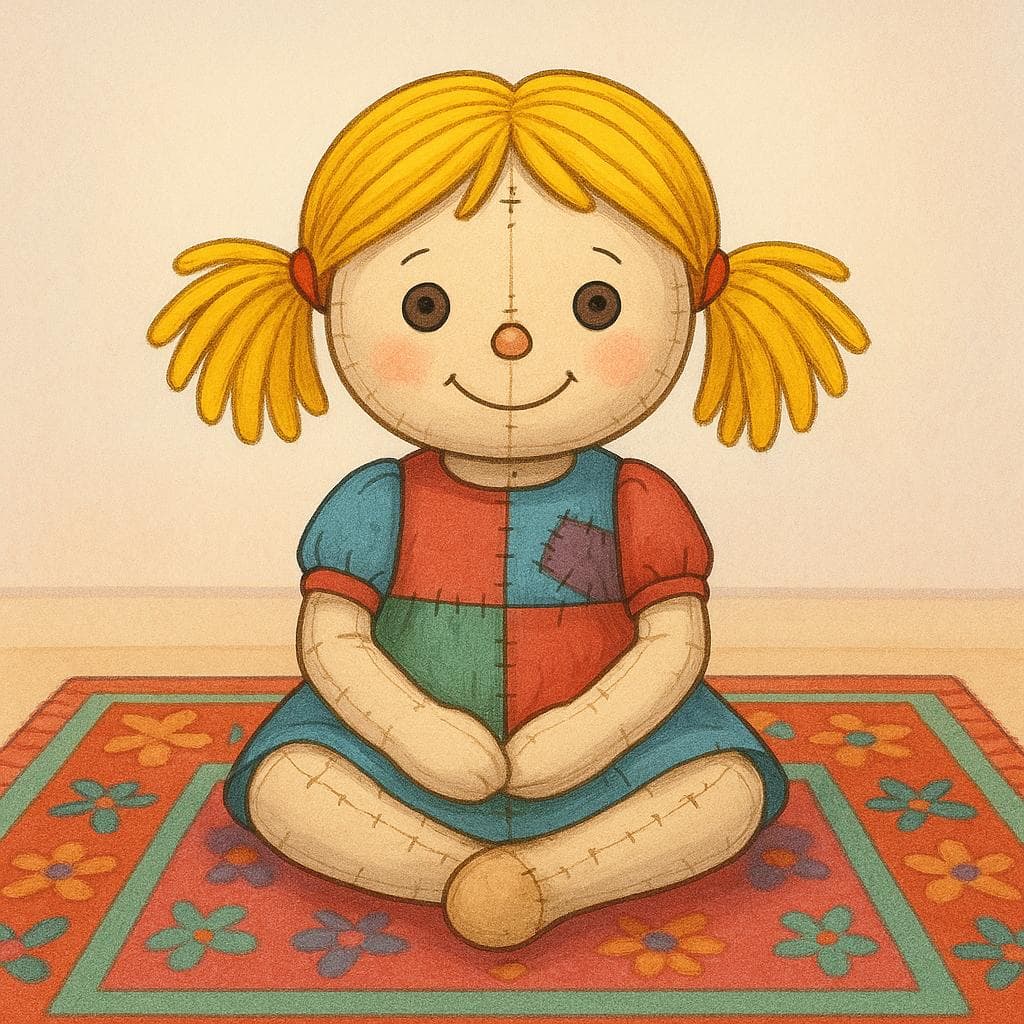


doll, toy figure
Also: stuffed animal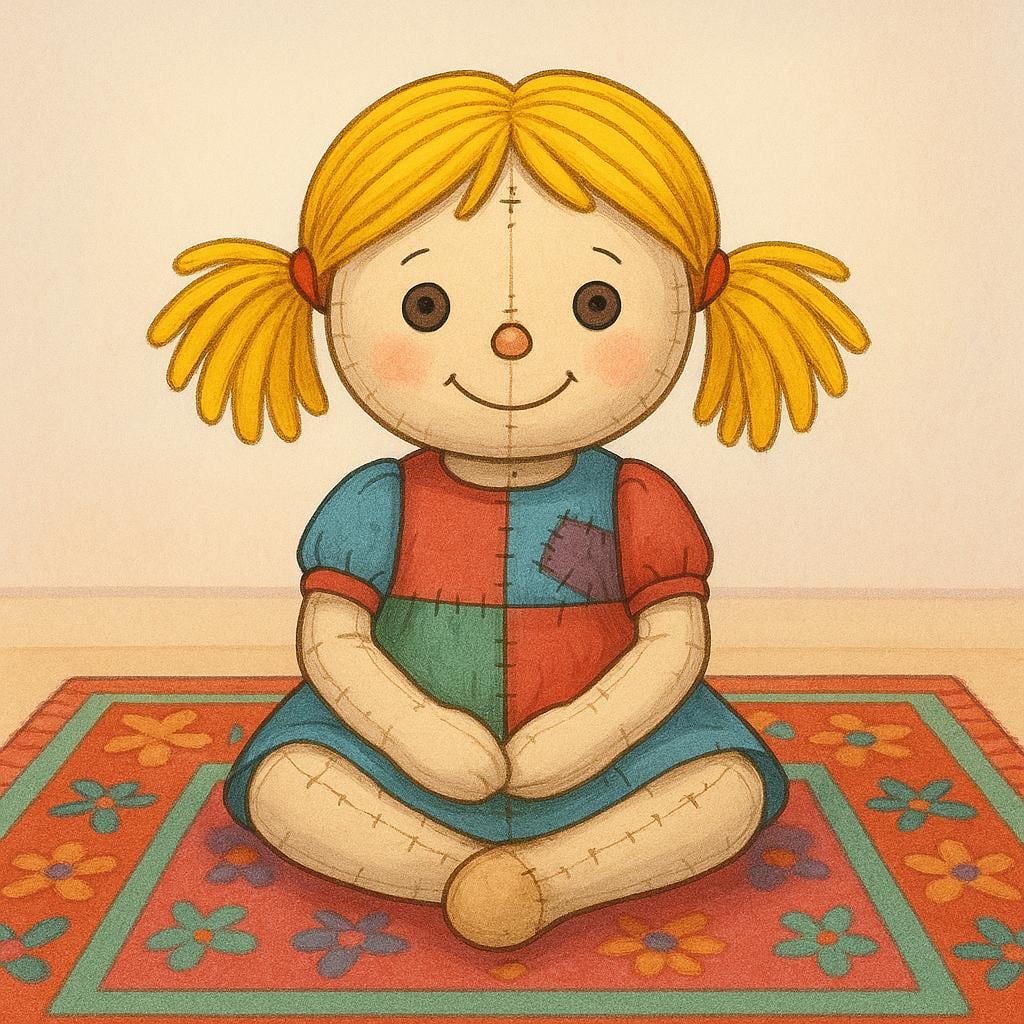
📝 In Action
El niño perdió su muñeco favorito en el parque.
A1The boy lost his favorite doll/toy figure in the park.
Necesito comprar un muñeco nuevo para el cumpleaños de mi sobrino.
A2I need to buy a new toy for my nephew's birthday.
action figure, mannequin
Also: figurine, dummy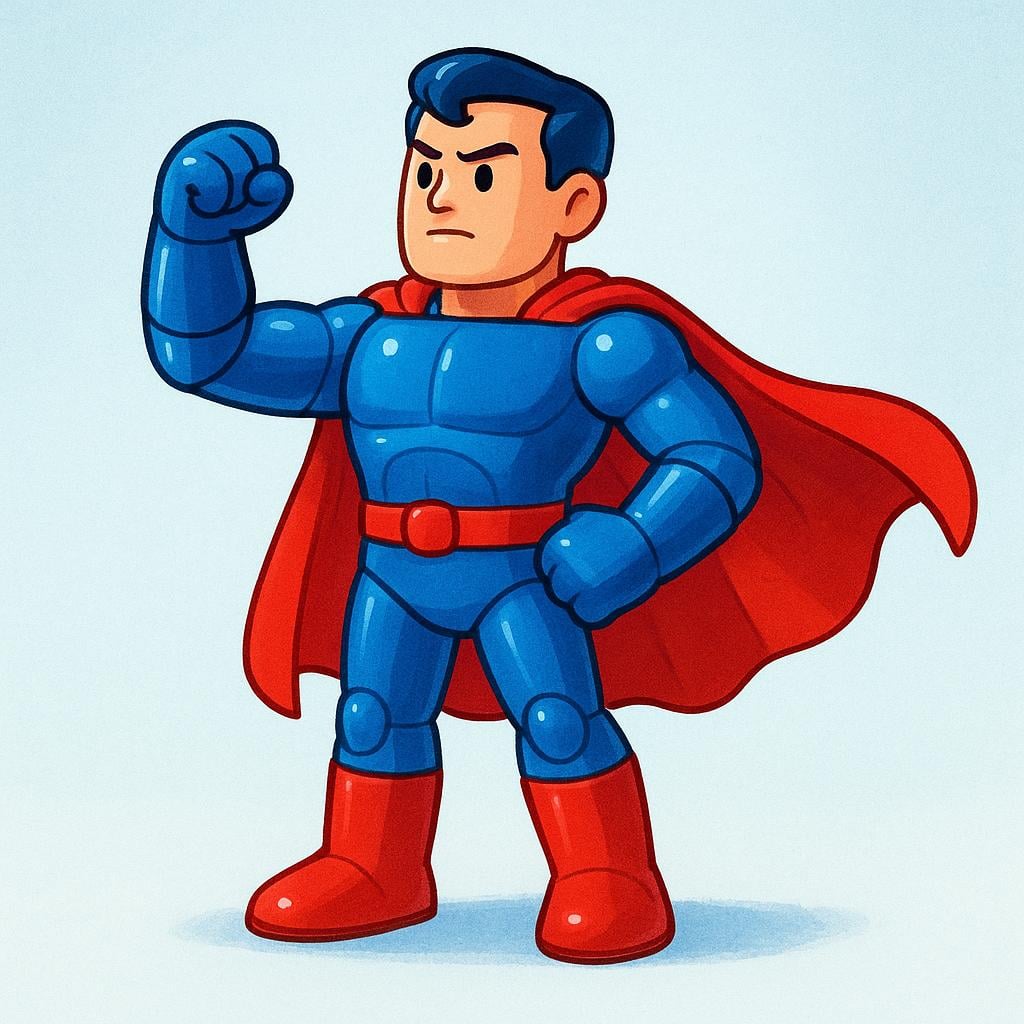
📝 In Action
El museo exhibía un muñeco de cera de la reina.
B2The museum exhibited a wax figure/dummy of the queen.
Los muñecos de la tienda de ropa tienen ropa de invierno.
B1The mannequins in the clothing store are wearing winter clothes.
handsome man
Also: hunk
📝 In Action
Ese actor es un verdadero muñeco; todas sus fans lo adoran.
C1That actor is a real handsome guy; all his fans adore him.
Translate to Spanish
✏️ Quick Practice
Quick Quiz: muñeco
Question 1 of 1
Which of these sentences uses 'muñeco' in its most common, A1-level meaning?
📚 More Resources
👥 Word Family▼
🎵 Rhymes▼
📚 Etymology▼
The word 'muñeco' is the masculine form of 'muñeca'. 'Muñeca' (meaning both 'doll' and 'wrist') comes from an older Spanish word related to the hand or a small, round object. The idea is that a doll is a small, crafted figure, much like the hand or wrist is a manageable, defined part of the body.
First recorded: 15th century (related forms)
Cognates (Related words)
💡 Master Spanish
Take your Spanish to the next level. Read 200+ illustrated and narrated Spanish stories tailored to your level with the Inklingo app!
Frequently Asked Questions
What is the difference between 'muñeco' and 'muñeca'?
In Spanish, 'muñeca' is feminine and means two things: the 'wrist' (body part) or a 'doll' (usually a female doll). 'Muñeco' is masculine and is used for any male doll, a generic toy figure, or a mannequin/figure model.
Can 'muñeco' be used for a snowman?
Yes, absolutely! The term for a snowman is 'muñeco de nieve' (literally, 'doll/figure of snow').