Inklingo

ocuparse

/oh-koo-par-seh/

to take care of

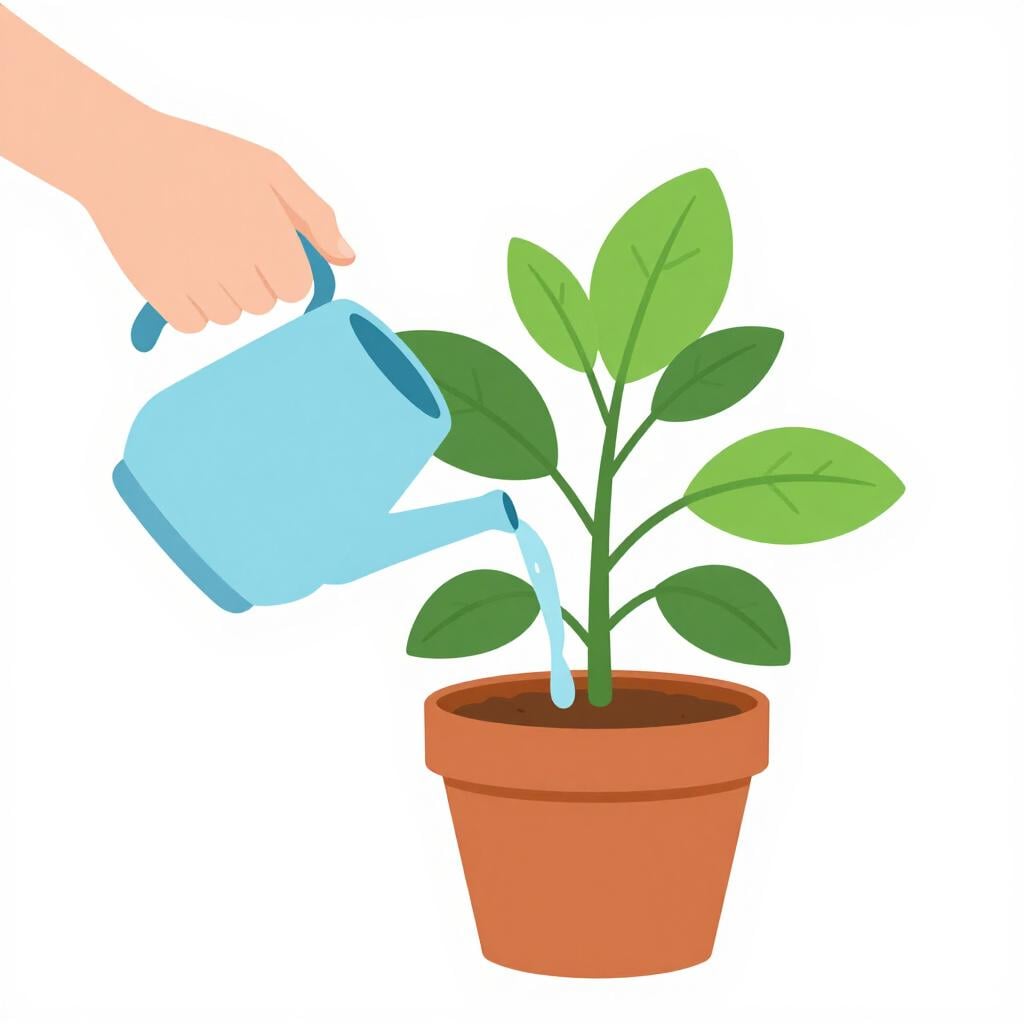
A person watering a small potted plant on a table.

Ocuparse can mean taking care of a responsibility, like tending to a plant.

ocuparse(verb)

A2regular (reflexive) ar

to take care of

?

handling a task or responsibility

Also:

to handle

?

dealing with a problem or situation

,

to look after

?

taking responsibility for someone or something

📝 In Action

No te preocupes por los platos, yo me ocupo.

A1

Don't worry about the dishes, I'll take care of them.

Ella se ocupa de organizar la reunión.

A2

She is in charge of organizing the meeting.

Debemos ocuparnos de este problema ahora mismo.

B1

We must deal with this problem right now.

Word Connections

Synonyms

  • encargarse (to take charge of)
  • atender (to attend to / to help)

Antonyms

  • desentenderse (to ignore / to wash one's hands of)
  • descuidar (to neglect)

Common Collocations

  • ocuparse de todoto handle everything
  • ocuparse de los detallesto take care of the details

💡 Grammar Points

Using the 'Bridge' Word

When you want to say what you are taking care of, always use the bridge word 'de' before the object: 'Me ocupo DE la comida' (I'll take care OF the food).

Action Verbs

If you are taking care of DOING something, use 'de' followed by the base form of the verb: 'Se ocupa de LIMPIAR' (He takes care of cleaning).

❌ Common Pitfalls

Don't confuse with 'Worry'

Mistake: "Using 'ocuparse' when you mean you are worried."

Correction: Use 'preocuparse' (pre-occupy) for worrying. 'Ocuparse' is for taking action.

⭐ Usage Tips

A Great Confidence Booster

Saying 'Yo me ocupo' is a very natural and confident way to tell someone 'I've got this' or 'I'll handle it.'

A person sitting at a table painting a colorful picture.

Ocuparse also means to occupy oneself or spend time on a specific activity.

ocuparse(verb)

B1regular (reflexive) ar

to occupy oneself

?

spending time on an activity

Also:

to keep busy

?

filling one's time with something

📝 In Action

Se ocupa en leer novelas históricas.

B1

She occupies herself with reading historical novels.

Me gusta ocuparme en el jardín durante los fines de semana.

B1

I like to keep busy in the garden during the weekends.

Word Connections

Synonyms

  • entretenerse (to amuse/occupy oneself)

Common Collocations

  • ocuparse en sus asuntosto mind one's own business

💡 Grammar Points

De vs. En

Use 'ocuparse DE' when you are handling a responsibility (taking care of). Use 'ocuparse EN' when you are talking about how you spend your time (occupying yourself with).

🔄 Conjugations

subjunctive

imperfect

ellos/ellas/ustedesse ocuparan
yome ocupara
te ocuparas
vosotrosos ocuparais
nosotrosnos ocupáramos
él/ella/ustedse ocupara

present

ellos/ellas/ustedesse ocupen
yome ocupe
te ocupes
vosotrosos ocupéis
nosotrosnos ocupemos
él/ella/ustedse ocupe

indicative

preterite

ellos/ellas/ustedesse ocuparon
yome ocupé
te ocupaste
vosotrosos ocupasteis
nosotrosnos ocupamos
él/ella/ustedse ocupó

imperfect

ellos/ellas/ustedesse ocupaban
yome ocupaba
te ocupabas
vosotrosos ocupabais
nosotrosnos ocupábamos
él/ella/ustedse ocupaba

present

ellos/ellas/ustedesse ocupan
yome ocupo
te ocupas
vosotrosos ocupáis
nosotrosnos ocupamos
él/ella/ustedse ocupa

✏️ Quick Practice

💡 Quick Quiz: ocuparse

Question 1 of 2

If you want to say 'I'll take care of the dog,' which is correct?

📚 More Resources

Frequently Asked Questions

Does 'ocuparse' always need 'me, te, se'?

Yes! Because it is reflexive, you must use the pronoun that matches the person doing the action (e.g., 'Yo ME ocupo', 'Tú TE ocupas').

Can 'ocuparse' mean 'to have a job'?

In some formal contexts or specific regions, it can refer to being employed, but 'trabajar' is much more common for that meaning.