pasaste
“pasaste” means “you passed” in Spanish. It has 4 different meanings depending on context:
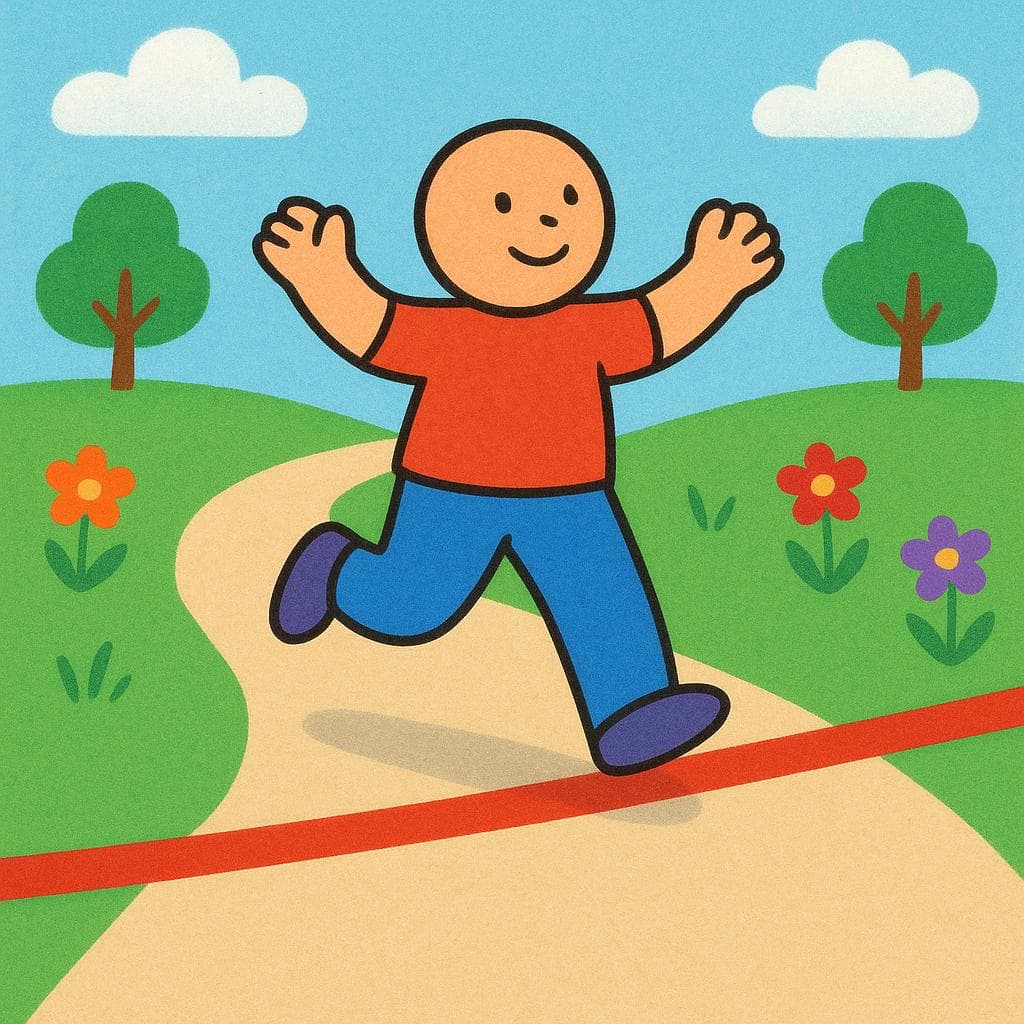


you passed, you went by
Also: you crossed
📝 In Action
¿Pasaste por mi casa ayer?
A1Did you pass by my house yesterday?
Pasaste la pelota muy rápido.
A2You passed the ball very quickly.
you spent
Also: you celebrated
📝 In Action
¿Pasaste las vacaciones en la playa?
A2Did you spend the holidays at the beach?
Pasaste mucho tiempo jugando videojuegos.
B1You spent a lot of time playing video games.
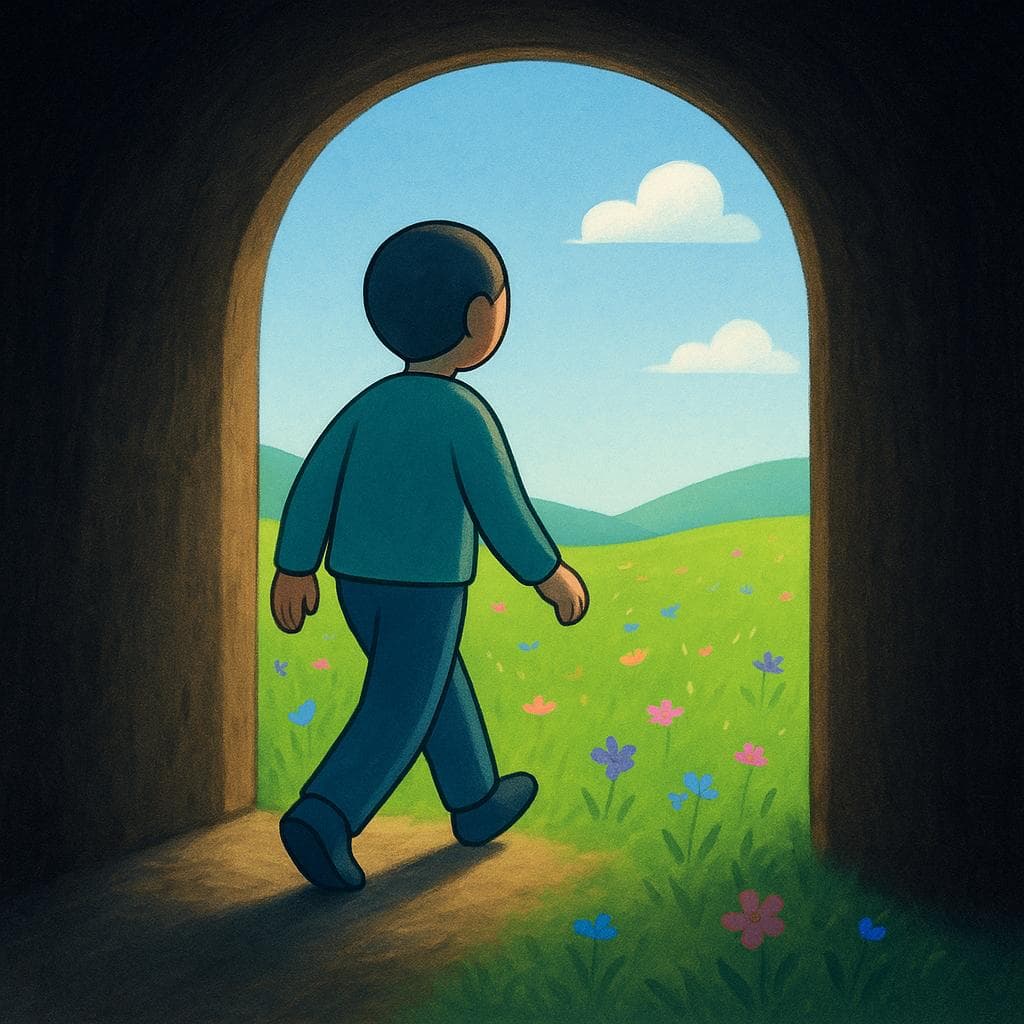
you went through, you suffered
Also: you endured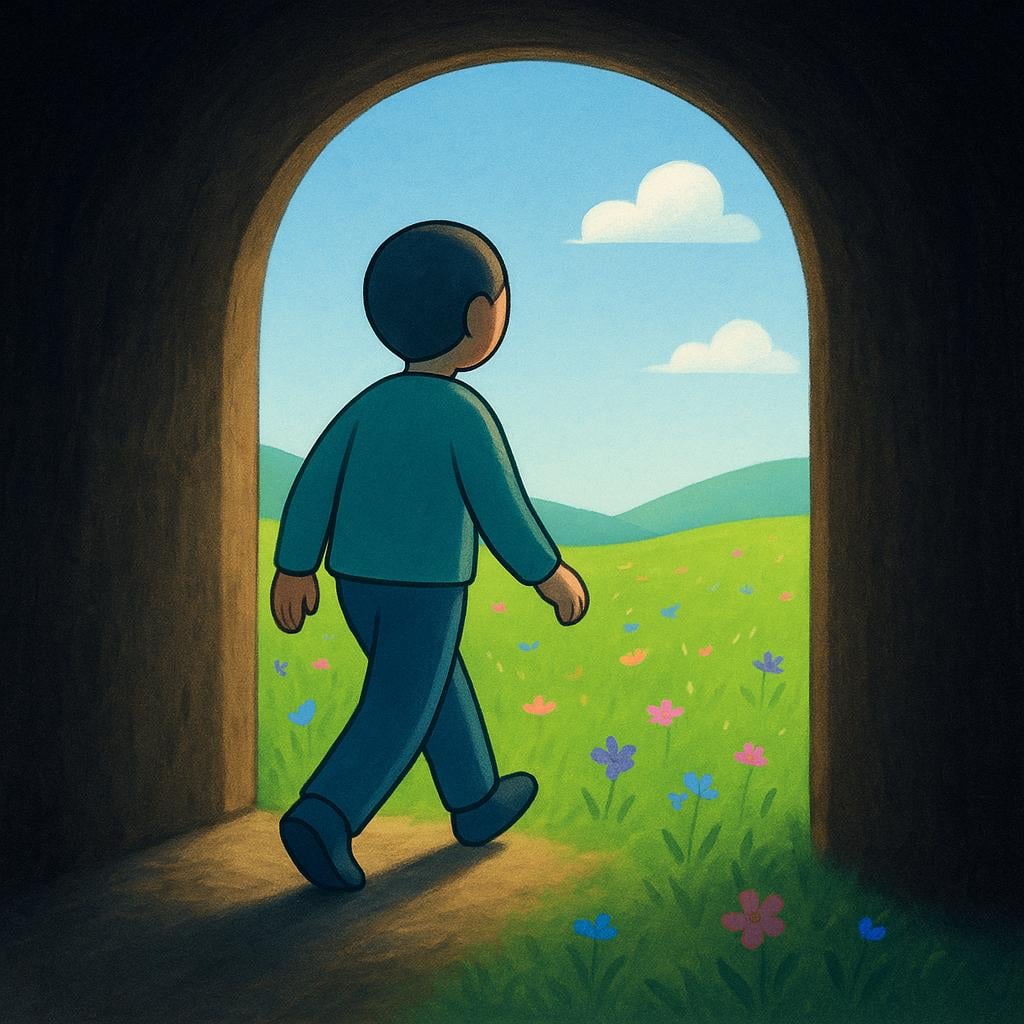
📝 In Action
Sé que pasaste un momento muy difícil.
B1I know that you went through a very difficult time.
¿Pasaste hambre en el viaje?
B2Did you feel hunger (go through hunger) on the trip?
you passed
Also: you cleared
📝 In Action
¡Qué alivio! Pasaste el examen de conducir.
B1What a relief! You passed the driving test.
¿Pasaste la revisión médica?
B2Did you pass the medical check-up?
Indicative
Present
Imperfect
Preterite
Subjunctive
Present Subjunctive
Imperfect Subjunctive
Translate to Spanish
Words that translate to "pasaste" in Spanish:
you celebrated→you cleared→you crossed→you endured→you passed→you spent→you suffered→✏️ Quick Practice
Quick Quiz: pasaste
Question 1 of 2
Which English sentence correctly uses 'pasaste' in the sense of spending time?
📚 More Resources
👥 Word Family▼
📚 Etymology▼
The word comes from the Latin verb *passare*, which meant 'to step' or 'to pace.' This root gives us the idea of moving from one point to another, which explains all the modern meanings—passing a physical location, passing time, or passing a test (moving past the hurdle).
First recorded: 10th century
Cognates (Related words)
💡 Master Spanish
Take your Spanish to the next level. Read 200+ illustrated and narrated Spanish stories tailored to your level with the Inklingo app!
Frequently Asked Questions
Why does 'pasaste' sometimes translate to 'passed' and sometimes to 'spent'?
The verb 'pasar' is very flexible. When followed by a place or object (e.g., 'la puerta'), it means 'to pass.' When followed by a duration (e.g., 'el día'), it means 'to spend' that time.
Is 'pasaste' the same as 'pasabas'?
No. 'Pasaste' is the simple past (preterite), describing a single, completed action (e.g., 'You passed the finish line'). 'Pasabas' is the descriptive past (imperfect), describing an ongoing or habitual action in the past (e.g., 'You used to pass by every day').