pelar
“pelar” means “to peel” in Spanish. It has 3 different meanings depending on context:
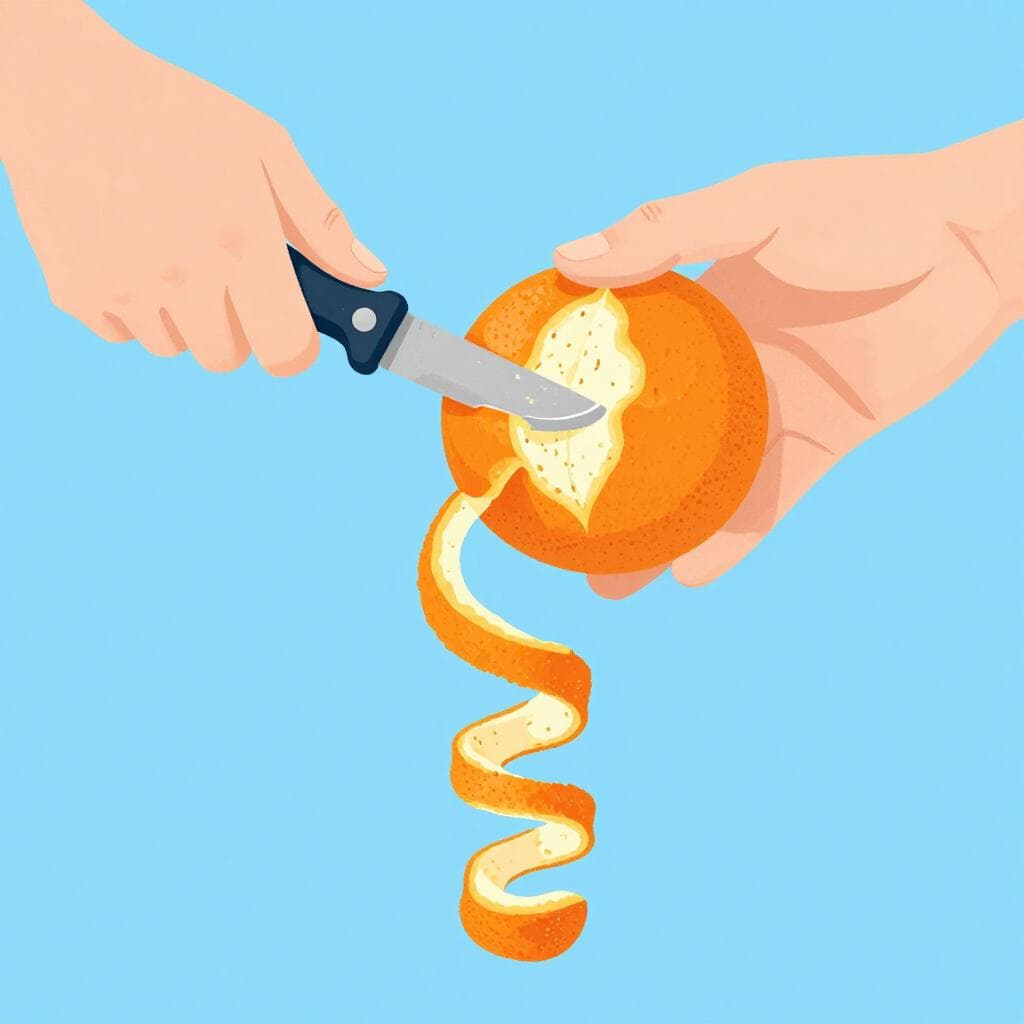


to peel
Also: to shell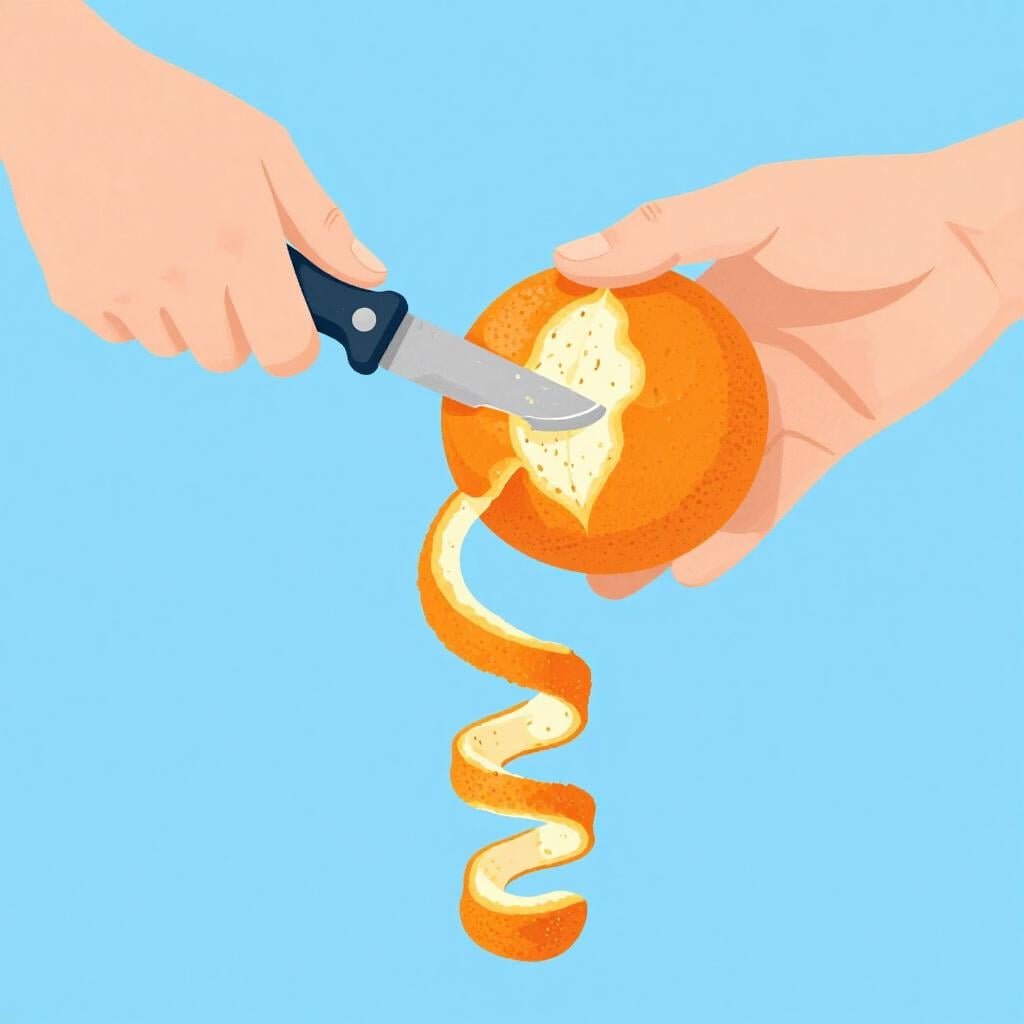
📝 In Action
Necesito pelar las patatas para la cena.
A1I need to peel the potatoes for dinner.
¿Puedes pelar esta manzana por mí?
A1Can you peel this apple for me?
Estamos pelando cacahuetes mientras vemos la tele.
A2We are shelling peanuts while we watch TV.
to cut someone's hair
Also: to get a haircut
📝 In Action
Mi madre me peló en casa ayer.
B1My mother cut my hair at home yesterday.
Tienes el pelo muy largo, deberías pelarte.
B1Your hair is very long, you should get a haircut.
El peluquero pela muy bien en esa tienda.
B1The barber cuts hair very well in that shop.
to badmouth
Also: to criticize
📝 In Action
Siempre están pelando a la vecina.
B2They are always badmouthing the neighbor.
No me gusta cuando la gente empieza a pelar a los demás.
B2I don't like it when people start tearing others apart.
La pelaron en la reunión sin que ella estuviera.
C1They criticized her in the meeting without her being there.
Subjunctive
Imperfect Subjunctive
Present Subjunctive
Indicative
Preterite
Imperfect
Present
Translate to Spanish
🗣️ Practice in a Tongue Twister
✏️ Quick Practice
Quick Quiz: pelar
Question 1 of 3
If you are in a kitchen and someone says 'Pela las papas,' what should you do?
📚 More Resources
👥 Word Family▼
📚 Etymology▼
From the Latin word 'pilāre', which meant to strip off hair or feathers (from 'pilus' meaning hair). Over time, the meaning expanded from removing hair to removing any outer layer, like the skin of a fruit.
First recorded: 12th century
Cognates (Related words)
💡 Master Spanish
Take your Spanish to the next level. Read 200+ illustrated and narrated Spanish stories tailored to your level with the Inklingo app!
Frequently Asked Questions
Is 'pelar' always regular?
Yes! 'Pelar' follows all the standard rules for verbs ending in -ar. It has no stem changes or irregular forms.
What is the difference between 'pelar' and 'mondar'?
'Pelar' is much more common. 'Mondar' is slightly more formal or specific to removing a very thin layer of skin with a knife, but in most cases, they are interchangeable.
Can I use 'pelar' for animals?
Yes, it can mean to pluck a bird or to shear a sheep, although 'esquilar' is more specific for sheep.