preparando
“preparando” means “preparing” in Spanish (action in progress).
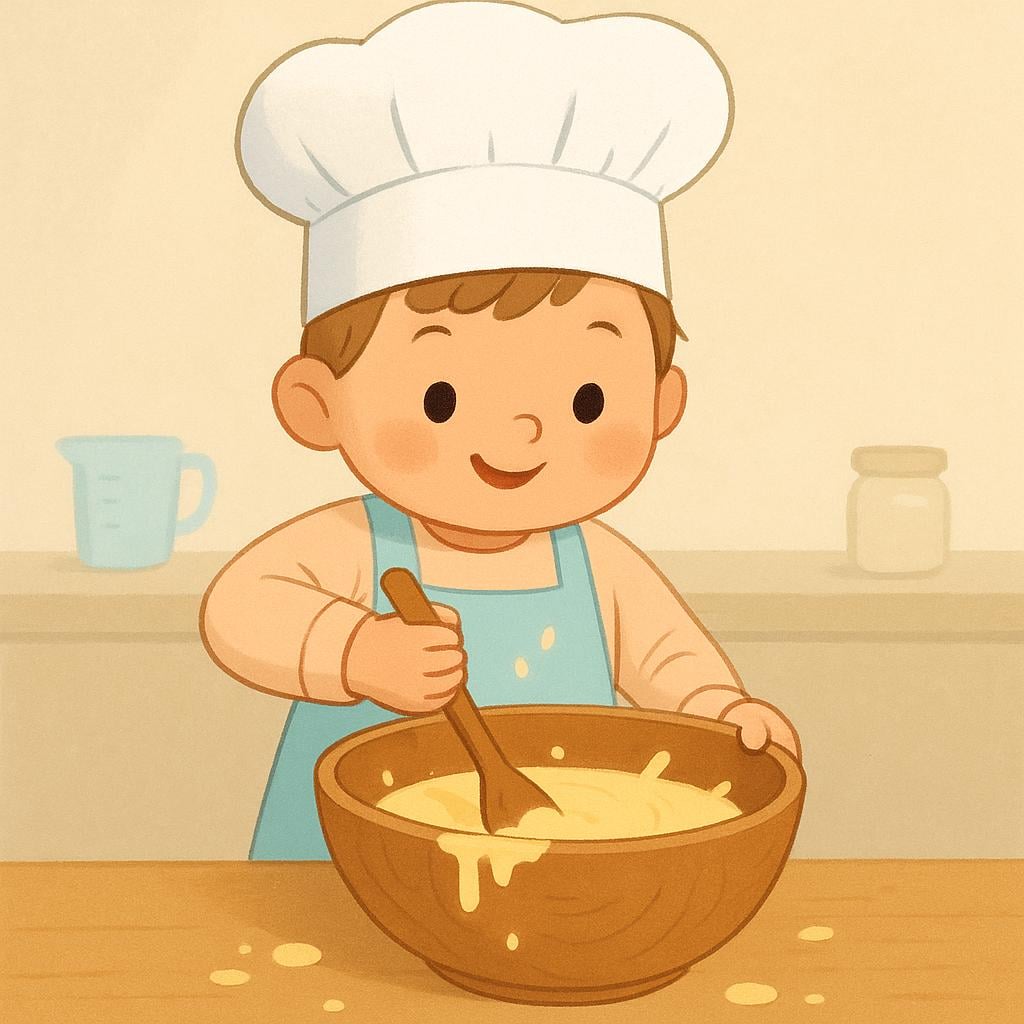
📝 In Action
Estamos preparando la cena ahora mismo.
A1We are preparing dinner right now.
¿Qué estás preparando para el examen de mañana?
A2What are you preparing for tomorrow's exam?
Mi hermana lleva meses preparándose para el maratón.
B1My sister has been preparing for the marathon for months.
Translate to Spanish
✏️ Quick Practice
Quick Quiz: preparando
Question 1 of 1
Which sentence correctly uses 'preparando' to describe an ongoing action?
📚 More Resources
👥 Word Family▼
📚 Etymology▼
The verb 'preparar' comes from the Latin word 'praeparare,' which means 'to make ready beforehand.' The '-ando' ending is the standard way Spanish forms its continuous action words from verbs ending in '-ar.'
First recorded: Medieval Latin (via Spanish verb 'preparar')
Cognates (Related words)
💡 Master Spanish
Take your Spanish to the next level. Read 200+ illustrated and narrated Spanish stories tailored to your level with the Inklingo app!
Frequently Asked Questions
Can I use 'preparando' by itself without 'estar'?
Rarely. 'Preparando' needs a helping verb like 'estar' (to be) to show that the action is happening right now, or 'seguir' (to continue) to show continuity. If you use it alone, it sounds incomplete, like saying 'I preparing' in English.