How to Say "making" in Spanish
The most common Spanish word for “making” is “haciendo” — use this general gerund form when 'making' refers to the act of doing or creating something without specifying the exact nature of the creation.

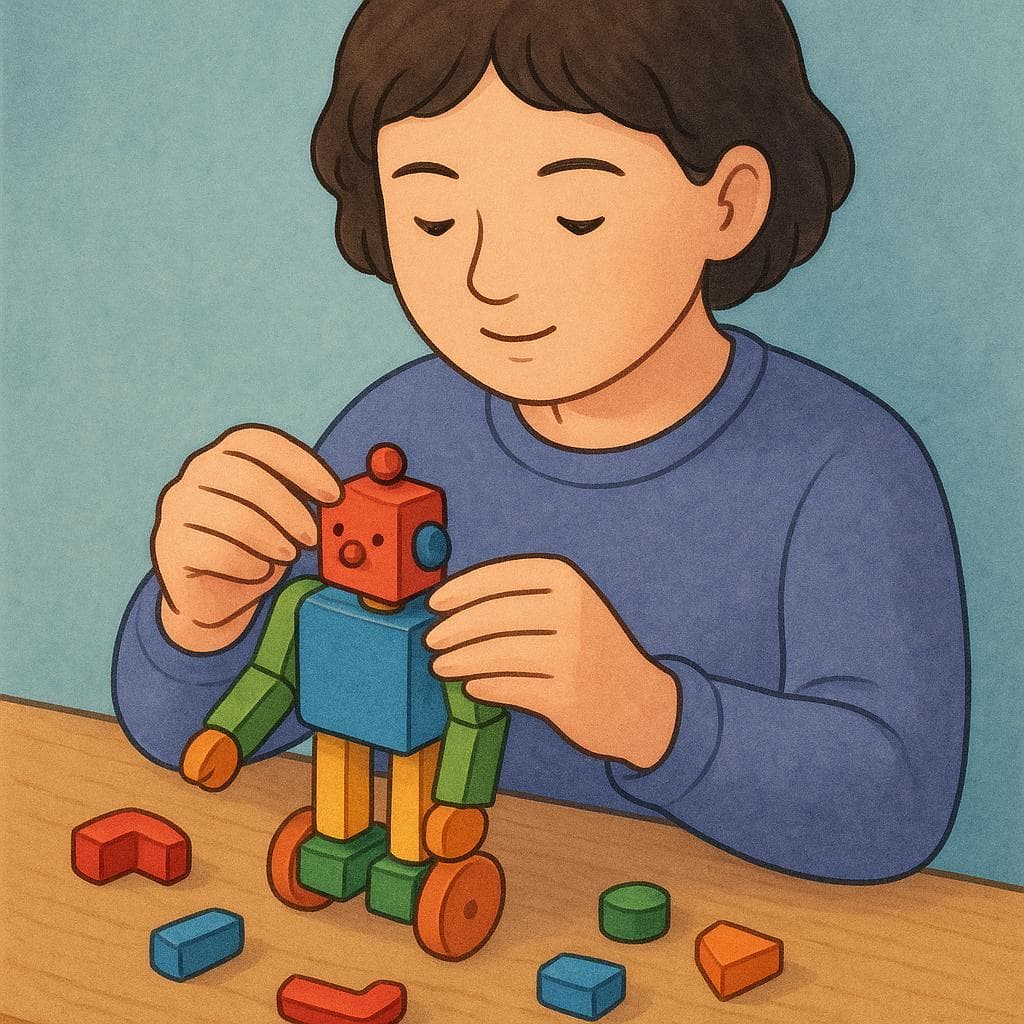


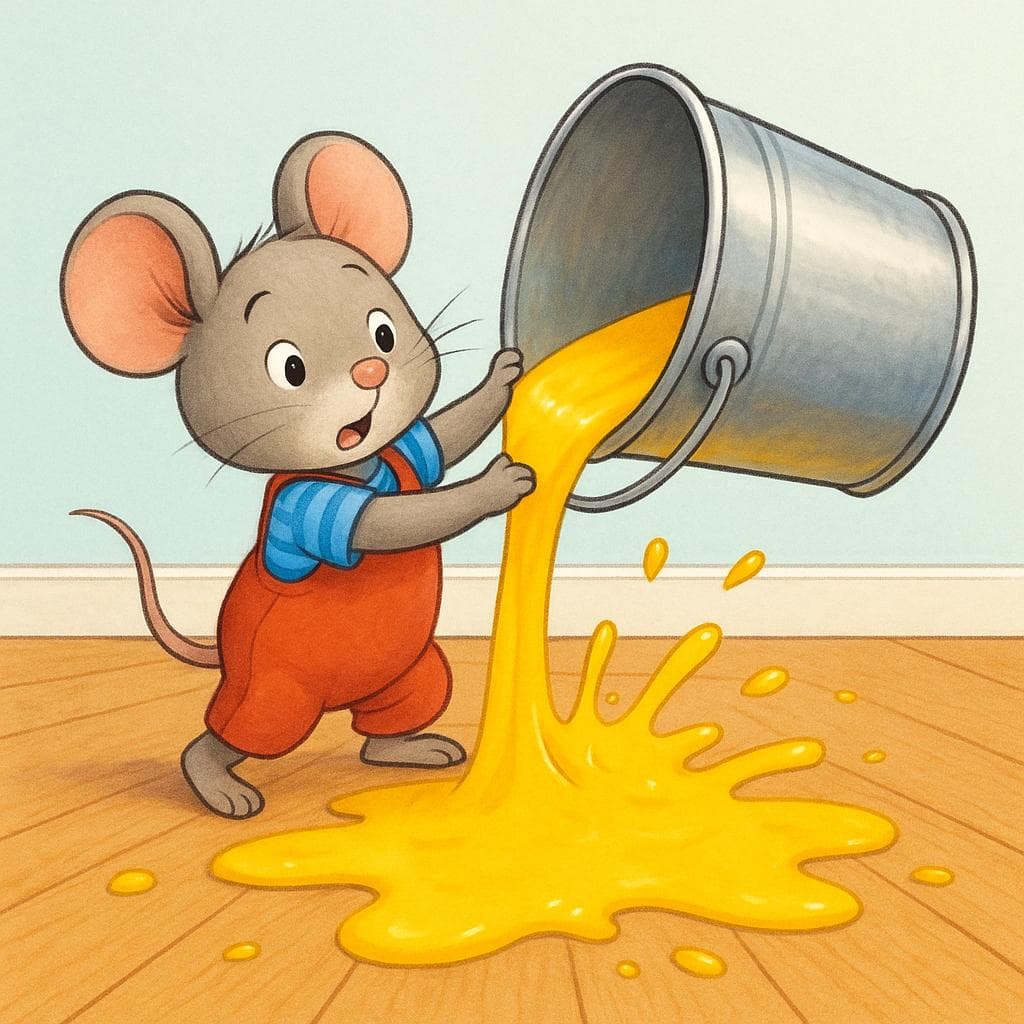
haciendo
ah-see-EN-dohaˈsjendo

Examples
¿Qué estás haciendo?
What are you doing?
Estoy haciendo la cena.
I am making dinner.
Llevo dos horas haciendo mi tarea.
I've been doing my homework for two hours.
The 'In Progress' Word (-ing Form)
'Haciendo' is the Spanish version of 'doing' or 'making'. You almost always use it with a helper verb like 'estar' to talk about what's happening right now, just like '-ing' in English.
How to Form '-iendo' Words
To make the '-ing' form for most verbs ending in '-er' or '-ir', you just swap the ending for '-iendo'. For example, 'comer' becomes 'comiendo' (eating) and 'vivir' becomes 'viviendo' (living).
Don't Use It Like an Adjective
Mistake: “El hombre haciendo café es mi padre.”
Correction: In Spanish, you can't usually use the '-iendo' form to describe a person or thing directly. Instead, say: 'El hombre que está haciendo café es mi padre' (The man who is making coffee is my father).
Using it for the Future
Mistake: “Estoy haciendo mi tarea mañana.”
Correction: 'Estar + -iendo' is for right now or around the current time. For the future, it's better to say 'Voy a hacer mi tarea mañana' (I'm going to do my homework tomorrow).
creando
kreh-AHN-dohkɾeˈan.do
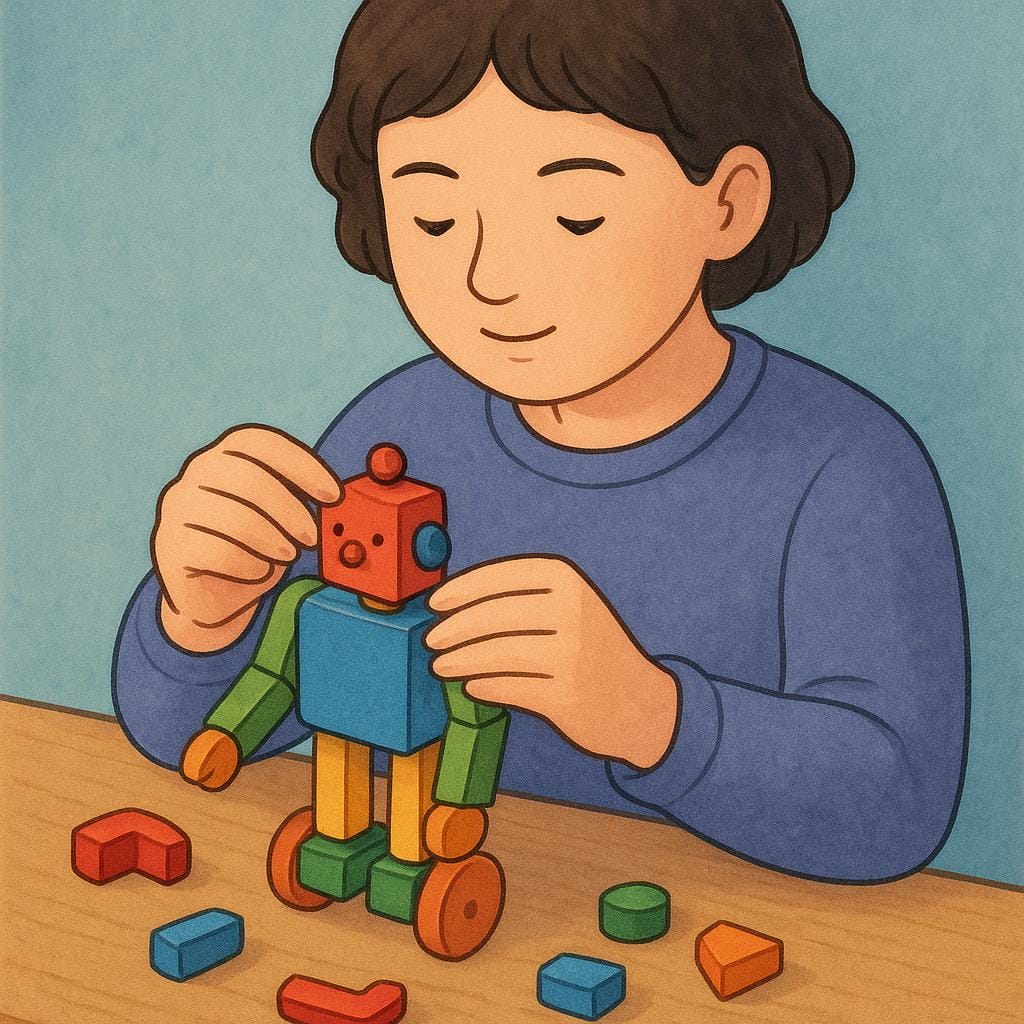
Examples
Estamos creando un sitio web nuevo para la compañía.
We are creating a new website for the company.
El director está creando mucha expectativa con su próxima película.
The director is generating a lot of anticipation with his next movie.
Ella pasó la noche entera creando la presentación.
She spent the entire night creating the presentation.
The Continuous Action
'Creando' is the form you use when you want to say that the action of 'creating' is happening right now. You must always use it with the verb 'estar': 'Estoy creando' (I am creating).
Always -ando for -ar verbs
Since 'crear' ends in -ar, its continuous form is always made by dropping the -ar and adding -ando. All regular -ar verbs follow this simple pattern.
Confusing Gerund and Past Participle
Mistake: “Hizo un mural creado.”
Correction: Hizo un mural creando. (If you mean 'He made a mural *by* creating.') Remember, 'creado' means 'created' (finished action), while 'creando' means 'creating' (ongoing action).
preparando
preh-pah-RAHN-dohpɾepaˈɾando

Examples
Estamos preparando la cena ahora mismo.
We are preparing dinner right now.
¿Qué estás preparando para el examen de mañana?
What are you preparing for tomorrow's exam?
Mi hermana lleva meses preparándose para el maratón.
My sister has been preparing for the marathon for months.
The Continuous Action Form
This form ends in '-ando' for verbs that end in '-ar' (like 'preparar'). It is used with a form of the verb 'estar' to show an action is happening right now: 'Estoy preparando' (I am preparing).
Reflexive Use
When used to mean 'preparing oneself' ('preparándose'), the action word remains 'preparando,' but the pronoun ('se', 'me', 'te') usually goes before 'estar': 'Me estoy preparando' (I am getting myself ready).
Missing 'Estar'
Mistake: “Yo preparando.”
Correction: Yo estoy preparando. You must always use a form of 'estar' (like 'estoy,' 'estás,' 'está') before the '-ando' word to create the continuous tense in Spanish.
ganando
gah-NAHN-dohɡaˈnando

Examples
Mi hermano está ganando mucho dinero en su nuevo trabajo.
My brother is earning a lot of money in his new job.
¿Cuánto estás ganando por hora en ese restaurante?
How much are you making per hour at that restaurant?
Forming Continuous Actions
"Ganando" is the continuous action form (gerund). You must use it with a form of the verb "estar" (to be) to show something is happening right now: "Estoy ganando" (I am earning).
Using 'Ser' Instead of 'Estar'
Mistake: “Soy ganando”
Correction: Estoy ganando. Remember, continuous actions always use 'estar' because they are temporary states.
cometiendo
koh-meh-tee-EN-dohkomeˈtjen.do
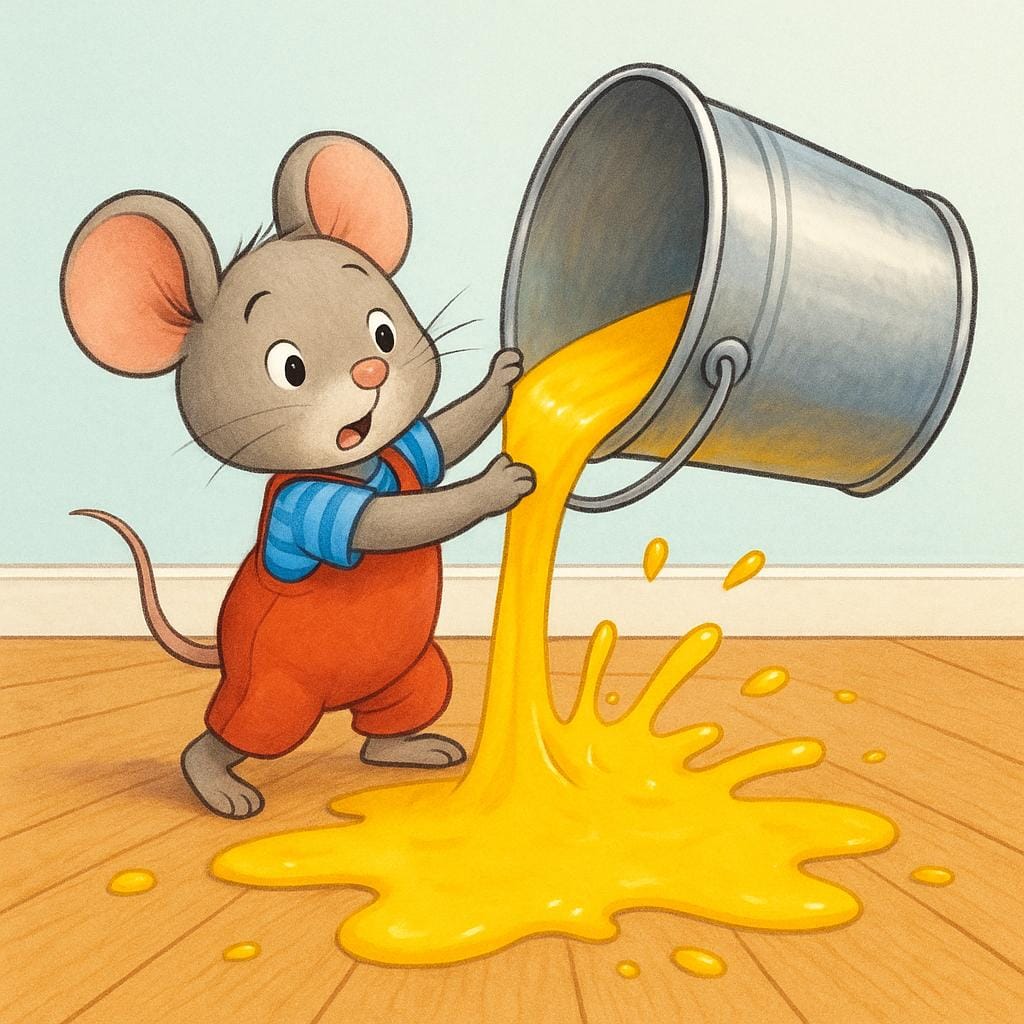
Examples
Creo que estás cometiendo un error muy grave.
I think you are making a very serious mistake.
La policía lo atrapó justo cuando estaba cometiendo el robo.
The police caught him just as he was committing the robbery.
Sigo cometiendo el mismo error al escribir esta palabra.
I keep making the same mistake when writing this word.
The Continuous Action
The form 'cometiendo' is used with the verb 'estar' (to be) to show an action happening right now: 'Estamos cometiendo' (We are committing).
Making Mistakes
In Spanish, we usually 'commit' a mistake ('cometer un error'), whereas in English we 'make' a mistake. Think of it as 'carrying out' the mistake.
Confusing the 'E' and 'I'
Mistake: “Using *comitiendo* instead of *cometiendo*.”
Correction: The correct form is *cometiendo*. Remember the infinitive is *cometer* (with an E).
fabricación
Examples
La fabricación de este coche toma dos días.
The manufacturing of this car takes two days.
creación
Examples
La creación de un nuevo sistema de transporte es esencial.
The creation of a new transport system is essential.
Gerund vs. Noun Forms
Related Translations
Learn Spanish with Inklingo
Interactive stories, personalized learning, and more.