provoca
“provoca” means “causes” in Spanish. It has 2 different meanings depending on context:
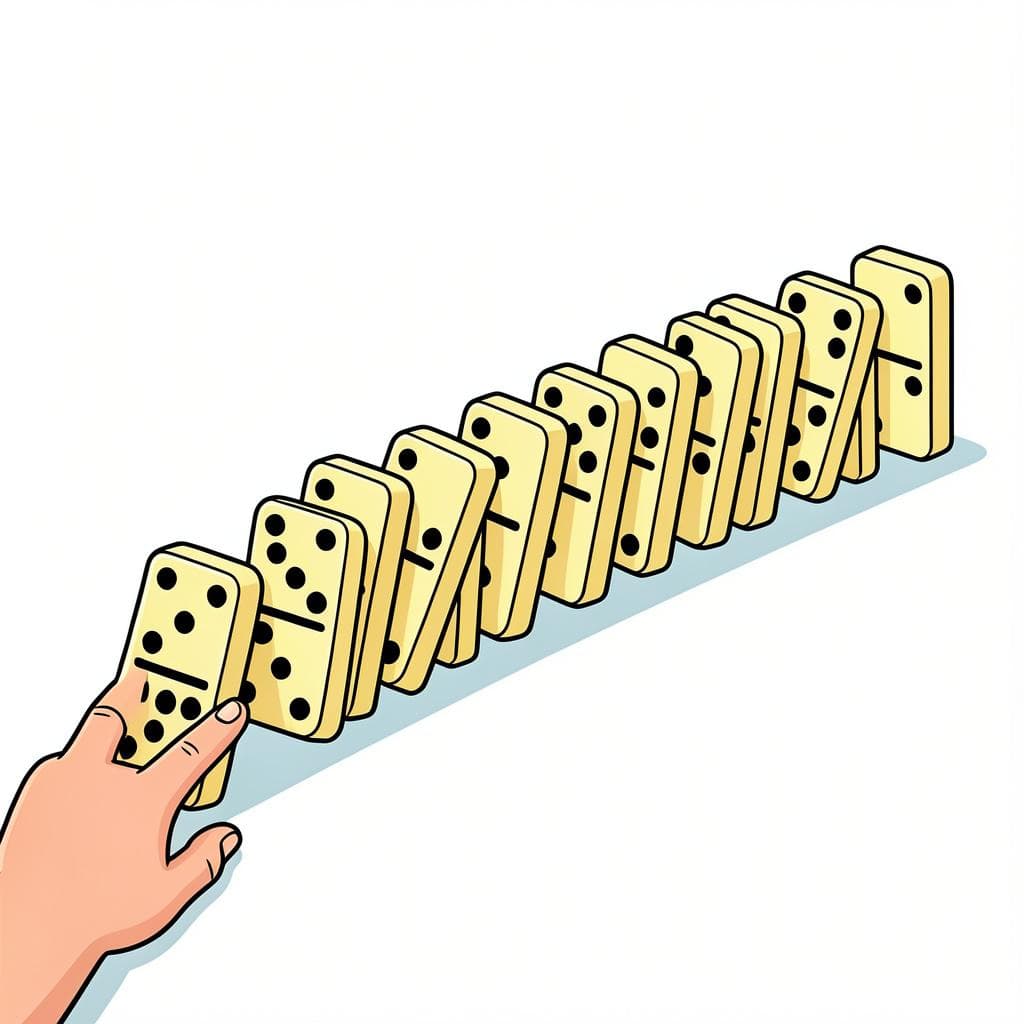

causes
Also: triggers, provokes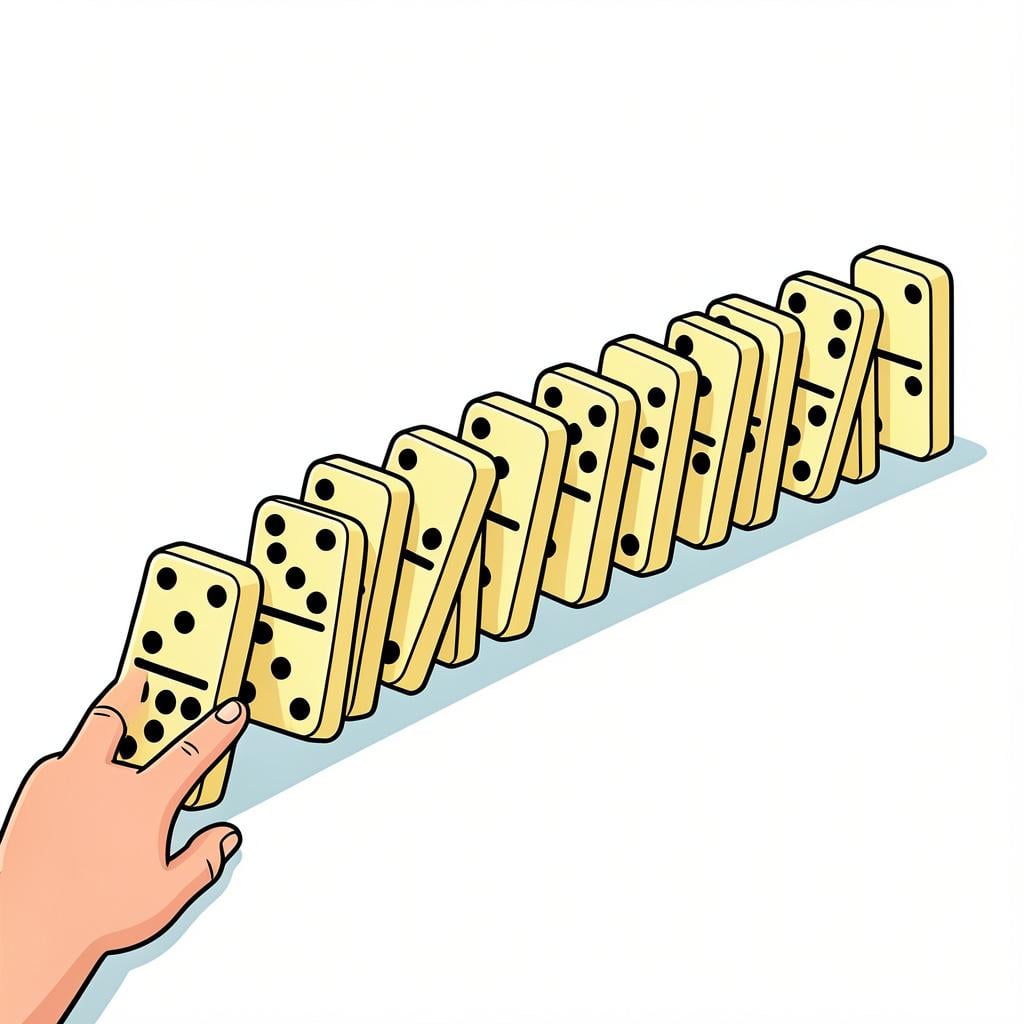
📝 In Action
El exceso de sal provoca sed.
A2Too much salt causes thirst.
Su actitud provoca muchos problemas en la oficina.
B1His attitude causes a lot of problems in the office.
fancies / feels like
Also: appeals to
📝 In Action
Me provoca un café caliente.
B1I really feel like a hot coffee.
¿No te provoca salir a caminar?
B1Don't you feel like going for a walk?
Subjunctive
Imperfect Subjunctive
Present Subjunctive
Indicative
Preterite
Imperfect
Present
Translate to Spanish
✏️ Quick Practice
Quick Quiz: provoca
Question 1 of 2
If you are in Venezuela and say 'Me provoca una arepa,' what are you saying?
📚 More Resources
👥 Word Family▼
📚 Etymology▼
From the Latin 'provocare', which combines 'pro' (forth) and 'vocare' (to call). It literally means 'to call forth' a reaction.
First recorded: 13th century
Cognates (Related words)
💡 Master Spanish
Take your Spanish to the next level. Read 200+ illustrated and narrated Spanish stories tailored to your level with the Inklingo app!
Frequently Asked Questions
Is 'provoca' always negative?
No! While in English 'provoke' usually implies starting a fight, in Spanish it often just means 'to cause' something neutral, like rain causing wet streets.
How do I use 'provoca' as a command?
You can say '¡Provoca un cambio!' to mean 'Cause a change!' It is the informal (tú) command form.