How to Say "provokes" in Spanish
The most common Spanish word for “provokes” is “provoca” — use 'provoca' when intentionally making someone angry, causing a fight, or when a physical condition leads to a specific outcome, like thirst or hunger.
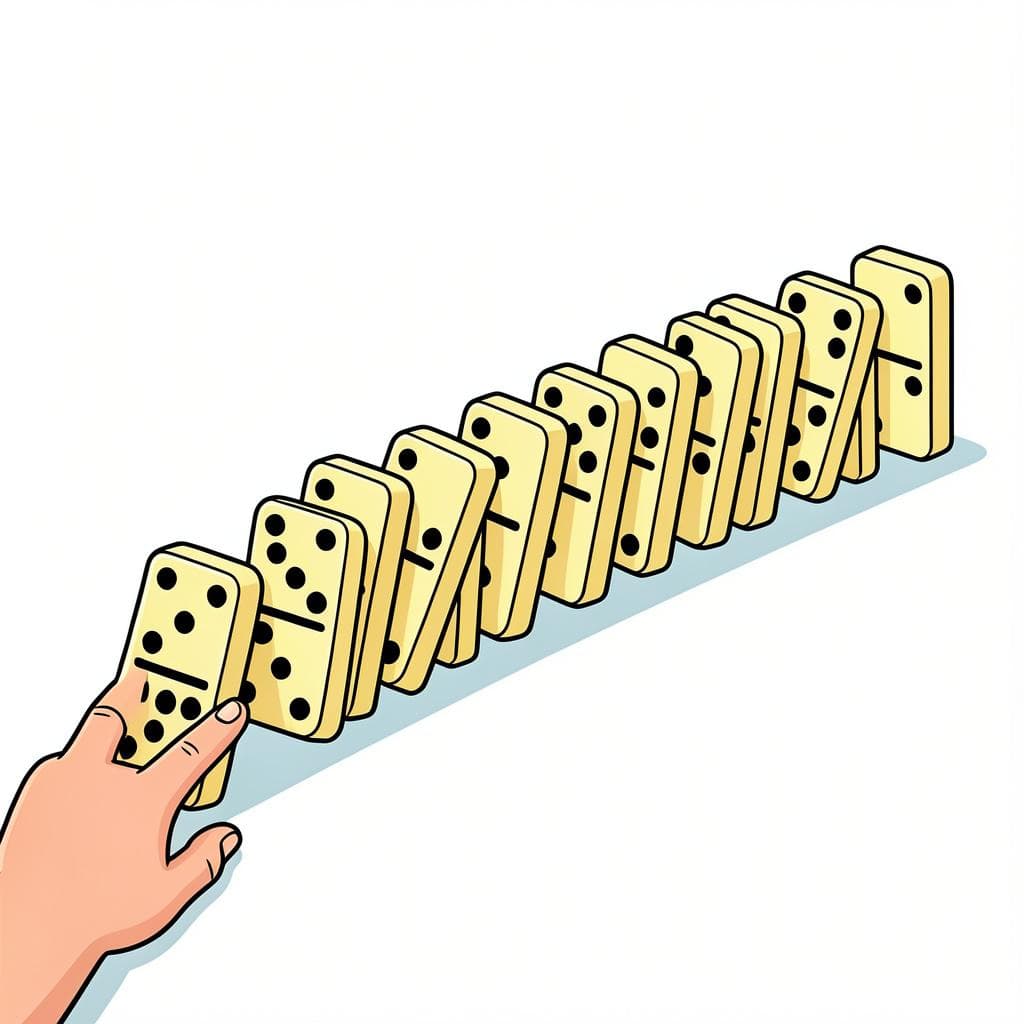


provoca
pro-BOH-kahpɾoˈβoka
Examples
El exceso de sal provoca sed.
Too much salt causes thirst.
Su actitud provoca muchos problemas en la oficina.
His attitude causes a lot of problems in the office.
Which 'Provoca' is it?
This word has two main jobs: it can mean 'he, she, or it causes,' or it can be a command telling someone 'Provoke!' or 'Cause!'
Don't only think 'Anger'
Mistake: “Using 'provoca' only when someone is being annoying.”
Correction: In Spanish, 'provoca' is much more common for simply saying something 'results in' or 'causes' something else, like a medicine causing sleepiness.
dispara
dees-PAH-rahdisˈpaɾa

Examples
La caída de tensión dispara la alarma de seguridad.
The voltage drop triggers the security alarm.
Ese recuerdo le dispara una gran tristeza.
That memory triggers deep sadness in him.
El sensor dispara la cámara cuando detecta movimiento.
The sensor activates the camera when it detects movement.
Mechanism Use
In this context, the subject is often an inanimate object (like 'sensor' or 'memory') that initiates an action automatically.
produce
pro-DUE-saypɾoˈðuθe

Examples
El anuncio produce controversia entre los espectadores.
The advertisement causes controversy among viewers.
Su discurso siempre produce un efecto positivo en la audiencia.
His speech always generates a positive effect on the audience.
La noticia produce mucha tristeza en la comunidad.
The news causes a lot of sadness in the community.
Causation vs. Creation
When 'produce' is followed by an abstract noun (like alegría or miedo), it means 'to cause' or 'to generate' that feeling or consequence, not physically manufacture it.
Choosing Between 'Provoca' and 'Dispara'
Related Translations
Learn Spanish with Inklingo
Interactive stories, personalized learning, and more.