párate
“párate” means “stop” in Spanish. It has 2 different meanings depending on context:

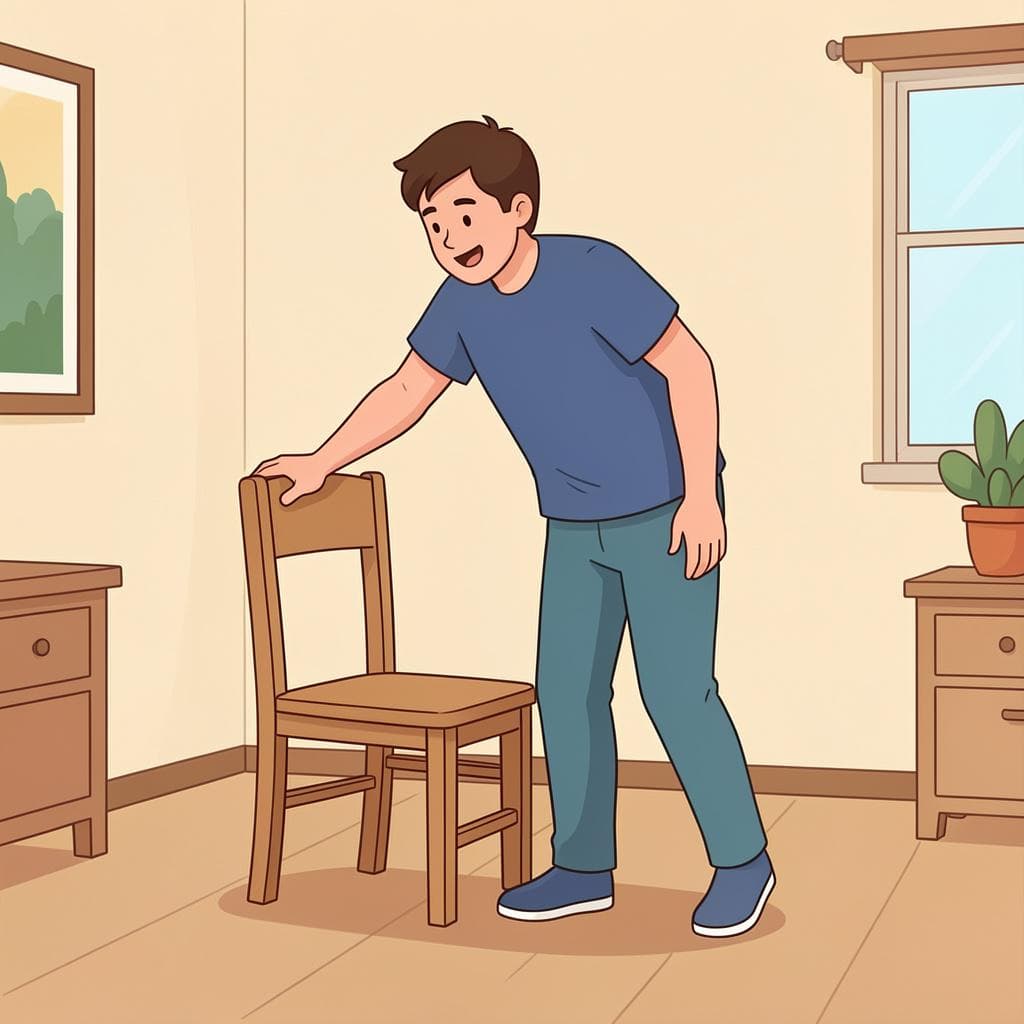
stop
Also: pull over
📝 In Action
¡Párate un momento, por favor!
A1Stop for a moment, please!
Párate en la siguiente esquina.
A2Stop at the next corner.
stand up
Also: get up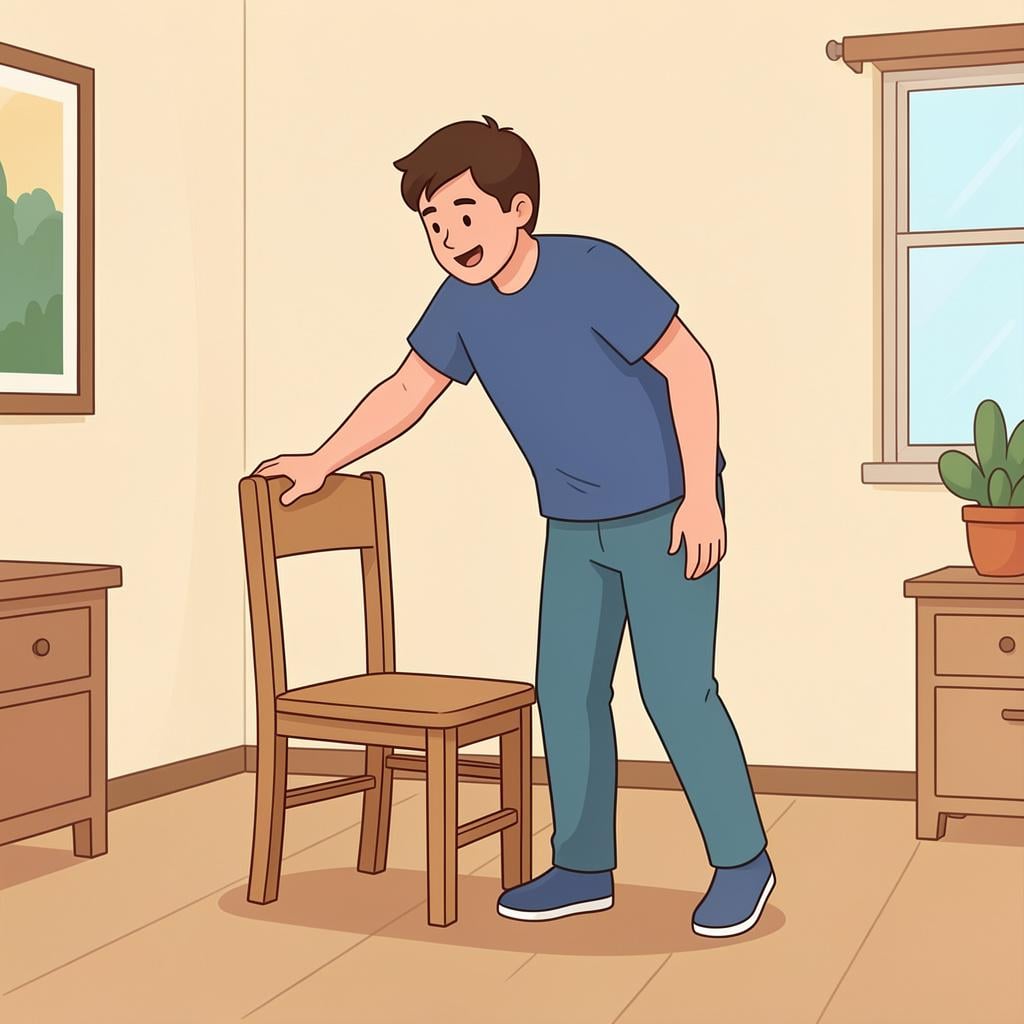
📝 In Action
Párate de esa silla, por favor.
A1Stand up from that chair, please.
¡Párate para saludar!
A2Stand up to say hello!
Subjunctive
Imperfect Subjunctive
Present Subjunctive
Indicative
Preterite
Imperfect
Present
Translate to Spanish
Words that translate to "párate" in Spanish:
stop→✏️ Quick Practice
Quick Quiz: párate
Question 1 of 2
If you are in Mexico and someone says '¡Párate!', what should you do?
📚 More Resources
👥 Word Family▼
🎵 Rhymes▼
📚 Etymology▼
From the Latin word 'parare', which originally meant to 'prepare' or 'make ready.' Over time, it evolved in Spanish to mean 'to stop' or 'to stand still.'
First recorded: 12th century
Cognates (Related words)
💡 Master Spanish
Take your Spanish to the next level. Read 200+ illustrated and narrated Spanish stories tailored to your level with the Inklingo app!
Frequently Asked Questions
Why is there an accent on the first 'a'?
When you attach a pronoun like 'te' to a command word, it makes the word longer. To keep the stress on the same syllable (the 'pa'), we must add a written accent mark.
Can I use 'párate' with my boss?
No, 'párate' is informal (tú). For a boss or someone you don't know well, use 'párese'.