responsabilizar
“responsabilizar” means “to hold responsible” in Spanish. It has 2 different meanings depending on context:

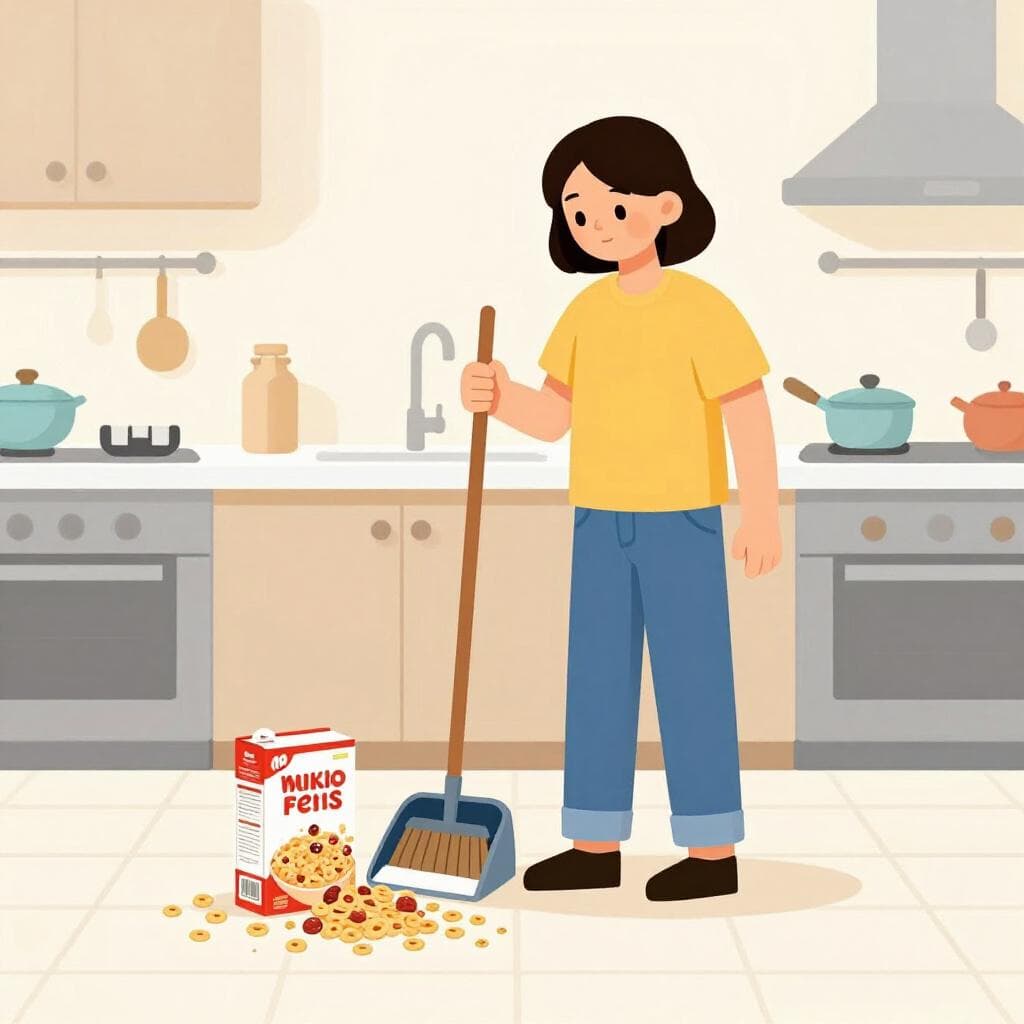
to hold responsible
Also: to blame
📝 In Action
No podemos responsabilizar al clima por la mala planificación.
B1We cannot hold the weather responsible for the poor planning.
La prensa responsabiliza al gobierno de la crisis económica.
B2The press blames the government for the economic crisis.
¿A quién vas a responsabilizar de este error?
B1Who are you going to hold responsible for this mistake?
to take responsibility
Also: to take charge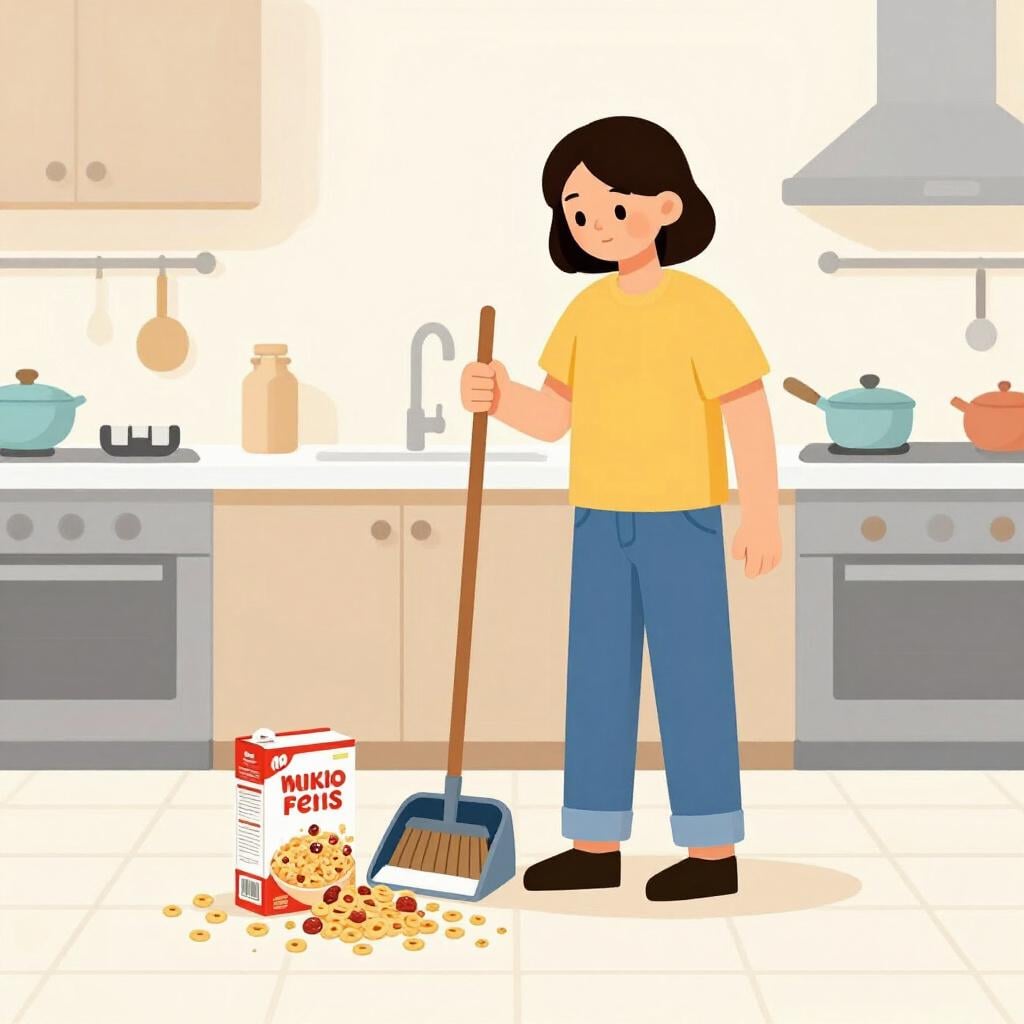
📝 In Action
Tienes que responsabilizarte de tus propias mascotas.
B1You have to take responsibility for your own pets.
Ella se responsabilizó de organizar toda la boda.
B2She took charge of organizing the whole wedding.
Es importante que nos responsabilicemos del futuro del planeta.
B2It is important that we take responsibility for the future of the planet.
Subjunctive
Imperfect Subjunctive
Present Subjunctive
Indicative
Preterite
Imperfect
Present
Translate to Spanish
Words that translate to "responsabilizar" in Spanish:
to blame→✏️ Quick Practice
Quick Quiz: responsabilizar
Question 1 of 3
How do you say 'I hold you responsible for the accident'?
📚 More Resources
👥 Word Family▼
📚 Etymology▼
Formed by combining 'responsable' (responsible) with the suffix '-izar' (to make or become). 'Responsable' comes from the Latin 'respondere', meaning 'to answer'.
First recorded: 19th century
Cognates (Related words)
💡 Master Spanish
Take your Spanish to the next level. Read 200+ illustrated and narrated Spanish stories tailored to your level with the Inklingo app!
Frequently Asked Questions
What is the difference between culpar and responsabilizar?
Culpar is like saying 'It's your fault' (often negative). Responsabilizar is more formal and means 'to make someone answerable' for the results of an action, whether good or bad.
Is 'responsabilizar por' wrong?
It is not strictly 'wrong' and you will hear it often, but in formal Spanish and on exams, 'responsabilizar de' is the standard and most accepted version.
Is it always a long word like this?
Yes! Spanish often creates long verbs by adding '-izar' to adjectives. It might look scary, but it follows very regular rules.