revivir
“revivir” means “to revive” in Spanish. It has 2 different meanings depending on context:
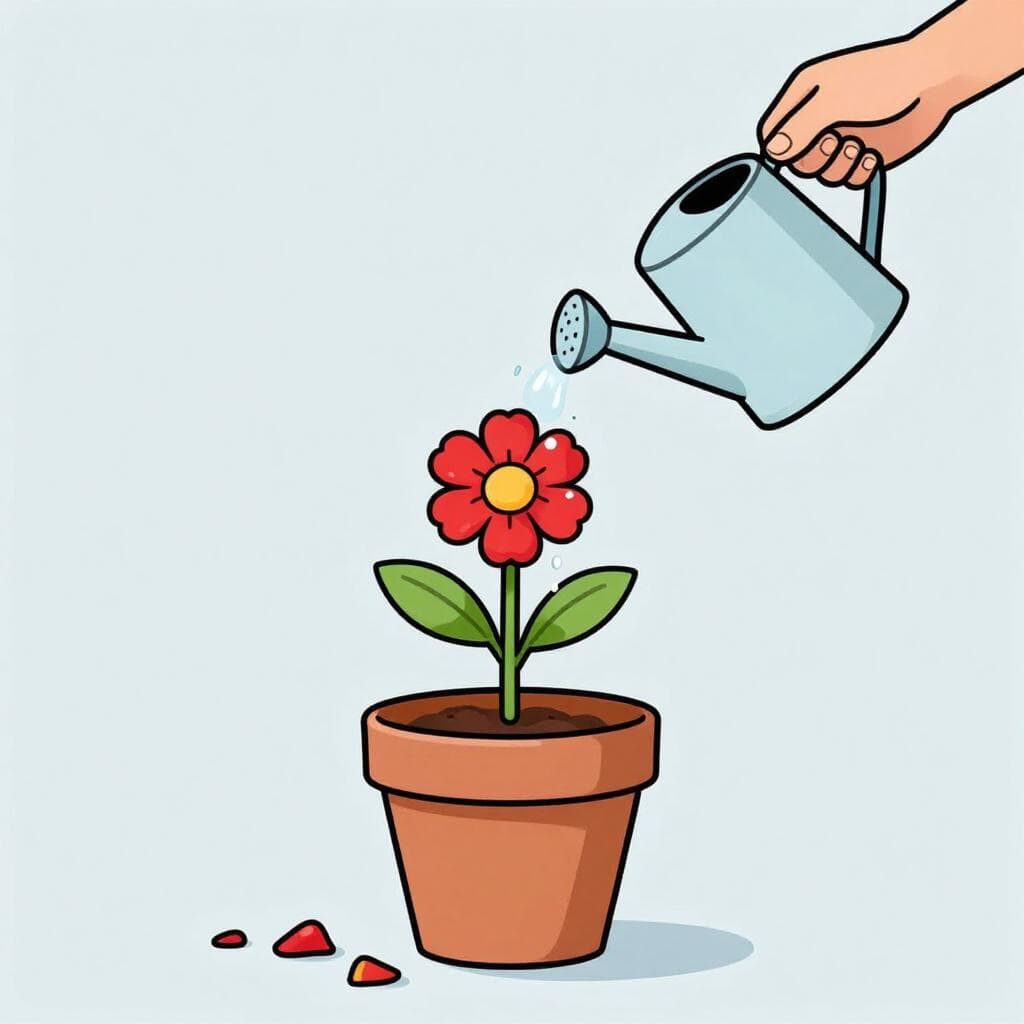

to revive
Also: to come back to life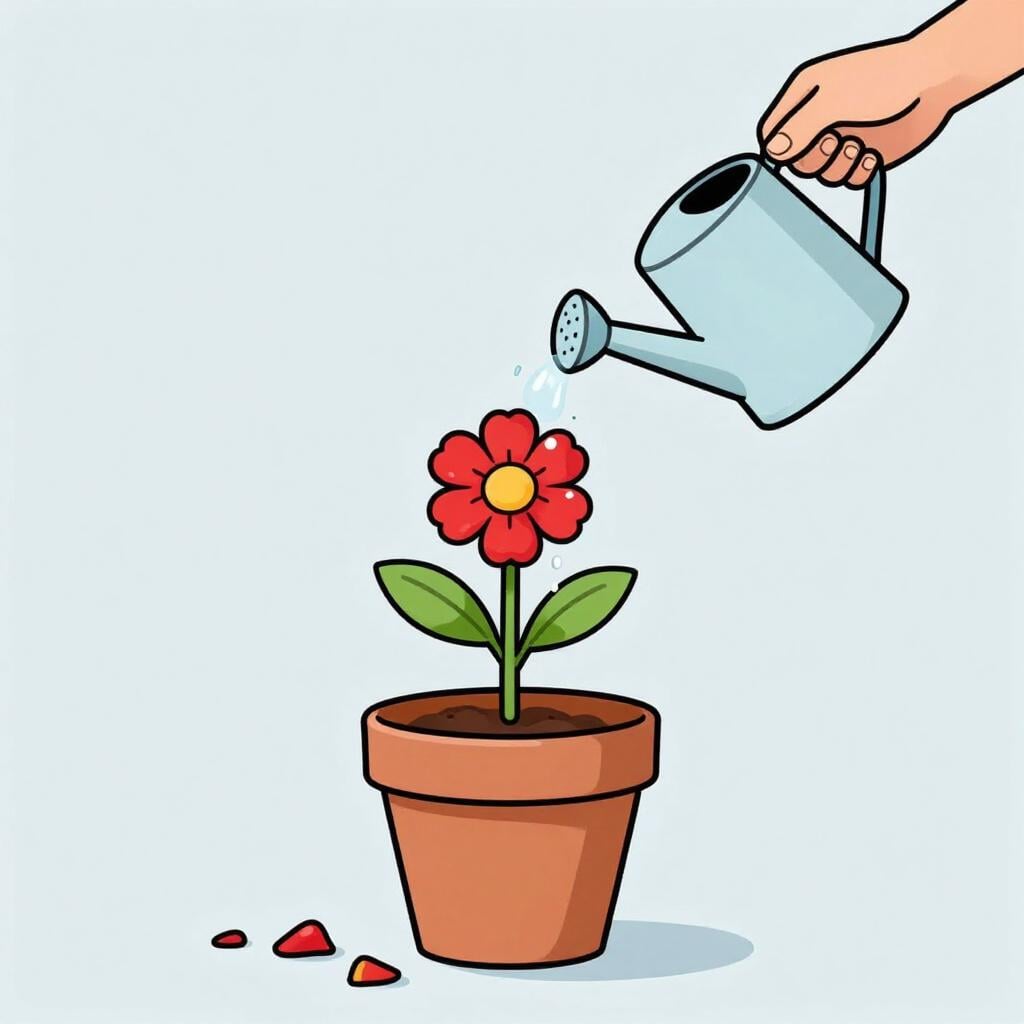
📝 In Action
Las flores volvieron a revivir con la lluvia.
A2The flowers came back to life with the rain.
El médico logró revivir al paciente.
B1The doctor managed to revive the patient.
Ese café me hizo revivir después de un largo día.
B1That coffee made me feel alive again after a long day.
to relive
Also: to revive
📝 In Action
Al ver las fotos, logramos revivir nuestro viaje a España.
B1By looking at the photos, we managed to relive our trip to Spain.
Queremos revivir la tradición de las cenas familiares.
B2We want to revive the tradition of family dinners.
No quiero revivir ese momento tan doloroso.
B2I don't want to relive that painful moment.
Subjunctive
Imperfect Subjunctive
Present Subjunctive
Indicative
Preterite
Imperfect
Present
Translate to Spanish
✏️ Quick Practice
Quick Quiz: revivir
Question 1 of 3
Which sentence means 'I relive the moment'?
📚 More Resources
👥 Word Family▼
📚 Etymology▼
From Latin 'revivere', composed of the prefix 're-' (again) and 'vivere' (to live).
First recorded: 13th century
Cognates (Related words)
💡 Master Spanish
Take your Spanish to the next level. Read 200+ illustrated and narrated Spanish stories tailored to your level with the Inklingo app!
Frequently Asked Questions
Is 'revivir' a stem-changing verb?
No, 'revivir' is a regular -ir verb, just like 'vivir'. It does not change its stem (reviv-) in any tense.
Can I use 'revivir' for a person who was just tired?
Yes! It's a common figurative way to say someone regained their energy, like 'Esa siesta me hizo revivir' (That nap made me feel alive again).
What is the difference between 'resucitar' and 'revivir'?
'Resucitar' is often more formal or religious (to resurrect), while 'revivir' is used more broadly for memories, plants, energy, and medical contexts.