rompieron
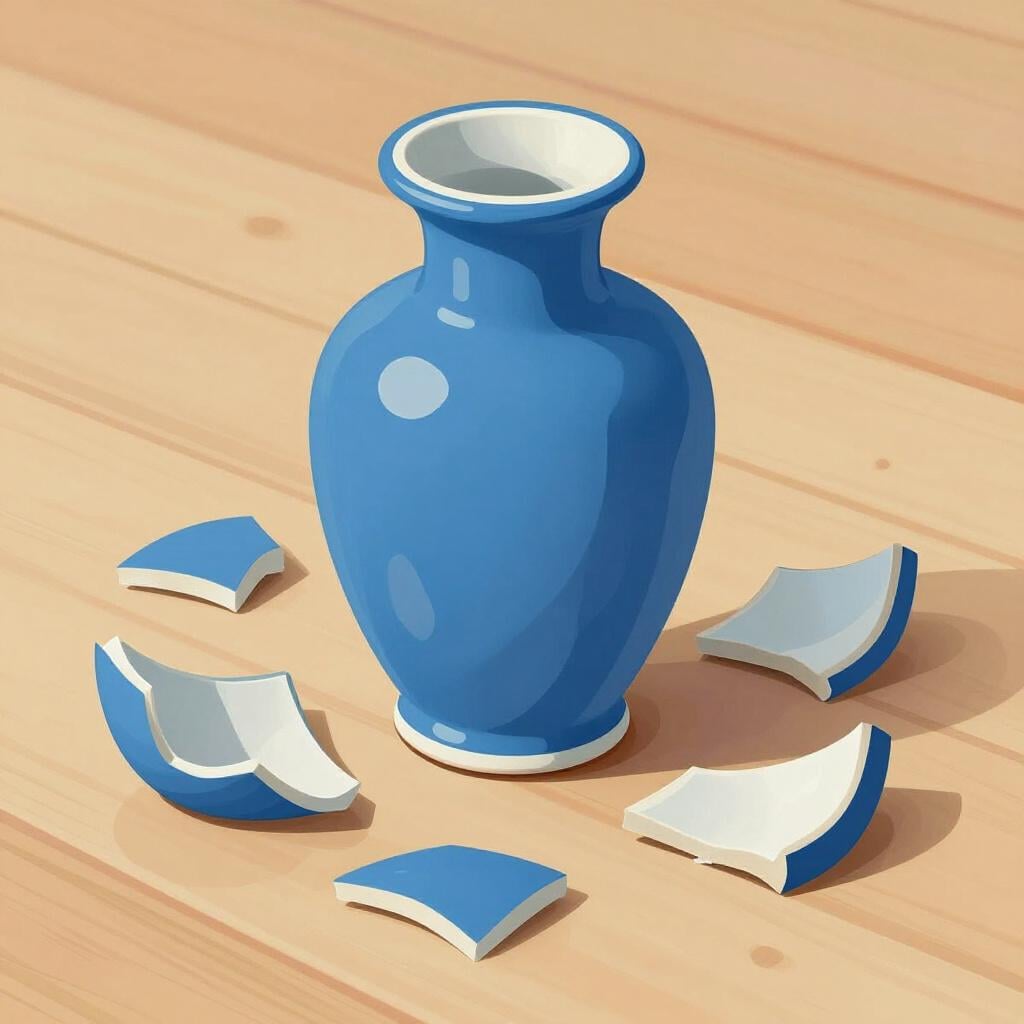
“rompieron” means “they broke” in Spanish. It has 2 different meanings depending on context:
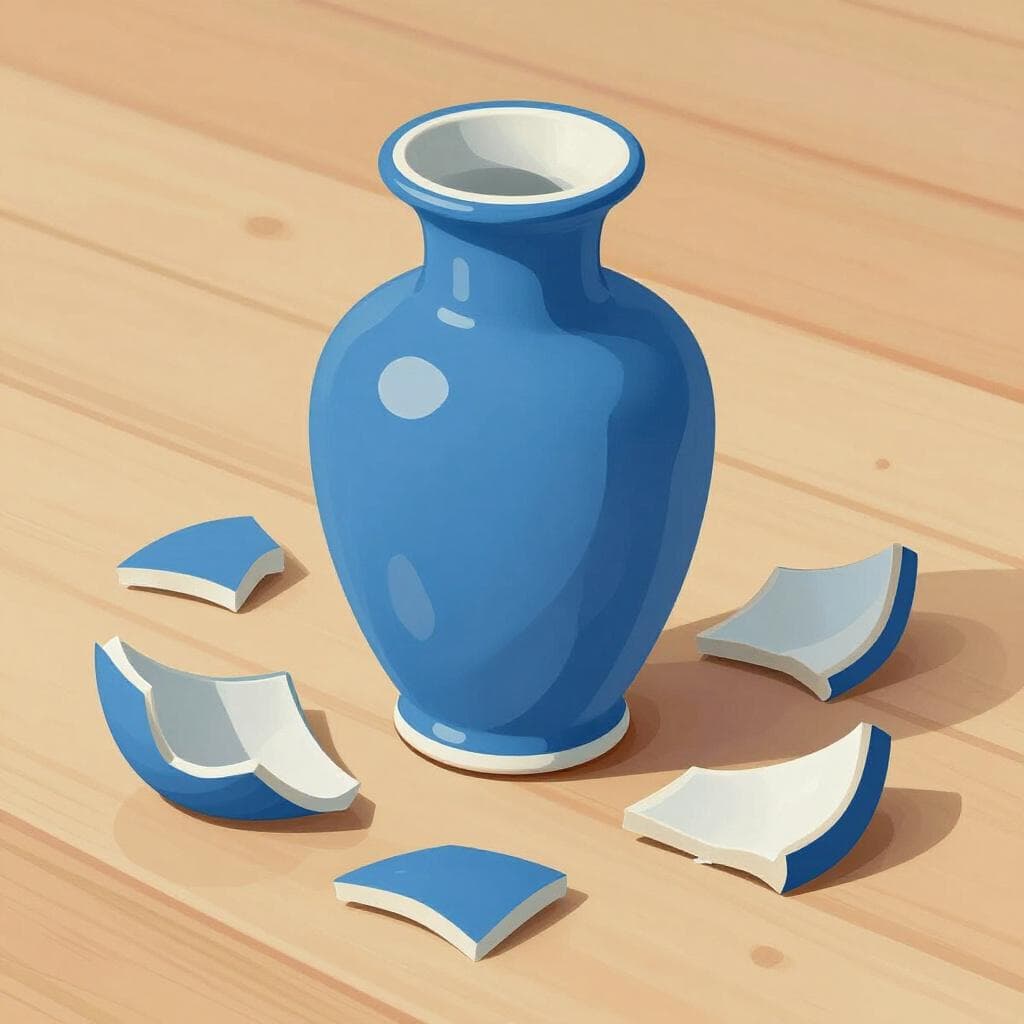

they broke, you all brokeAlso: they smashed, they violated
📝 In Action
Ellos rompieron el cristal por accidente.
A2They broke the glass by accident.
Ustedes rompieron el récord de velocidad.
B1You all broke the speed record.
Word Connections
they broke up

📝 In Action
Ellos rompieron después de tres años juntos.
B1They broke up after three years together.
Word Connections
Subjunctive
Imperfect Subjunctive
Present Subjunctive
Indicative
Preterite
Imperfect
Present
Translate to Spanish
Words that translate to "rompieron" in Spanish:
✏️ Quick Practice
Quick Quiz: rompieron
Question 1 of 2
If you want to say 'They broke the plates,' which word do you use?
📚 More Resources
👥 Word Family
🎵 Rhymes
📚 Etymology
Comes from the Latin verb 'rumpere,' which means 'to burst or break.' This same root gives us English words like 'rupture' and 'erupt.'
First recorded: 12th century
Cognates (Related words)
💡 Master Spanish
Take your Spanish to the next level. Read 200+ illustrated and narrated Spanish stories tailored to your level with the Inklingo app!
Frequently Asked Questions
Is 'rompieron' used for 'you all'?
Yes! In Latin America, it is the standard way to say 'you all broke.' In Spain, it's used for 'you all' only in very formal situations (ustedes).
Does 'rompieron' always mean something was destroyed?
Not always. It can mean breaking a record, breaking a rule, or even just people ending a relationship.