sueños
“sueños” means “dreams” in Spanish. It has 2 different meanings depending on context:

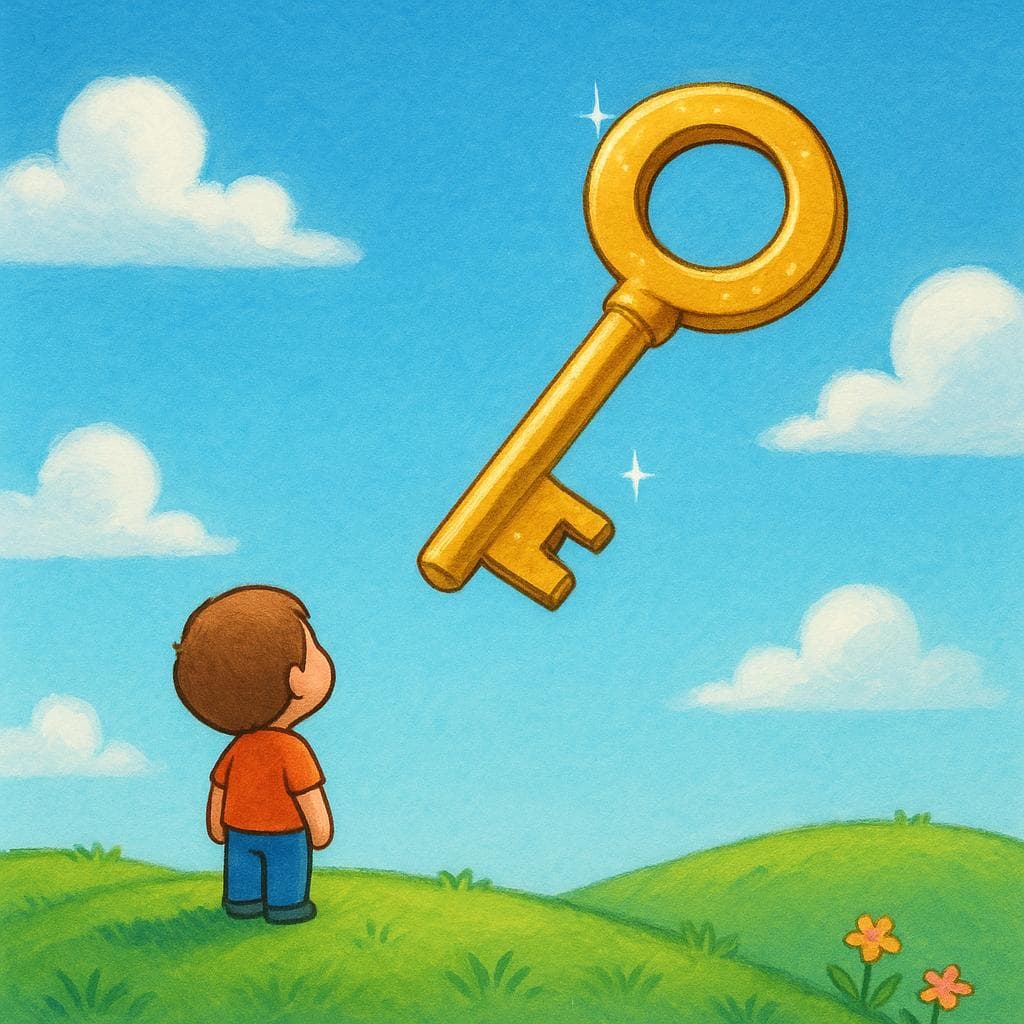
dreams
Also: nightmares
📝 In Action
Anoche tuve sueños muy extraños.
A2Last night I had very strange dreams.
A veces no recuerdo mis sueños por la mañana.
B1Sometimes I don't remember my dreams in the morning.
Mi hijo tiene malos sueños después de ver películas de miedo.
B1My son has bad dreams after watching scary movies.
dreams
Also: aspirations, goals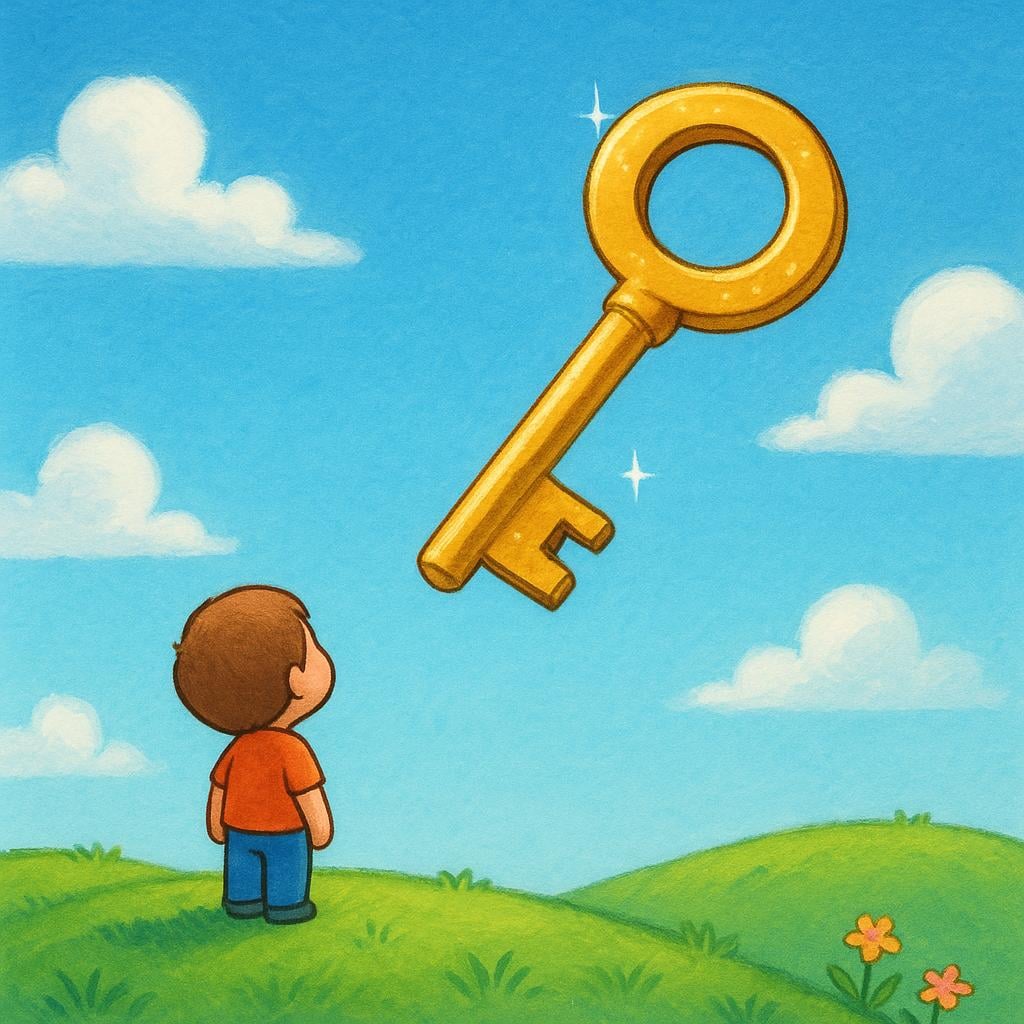
📝 In Action
Uno de mis grandes sueños es viajar por todo el mundo.
B1One of my big dreams is to travel all over the world.
Nunca dejes de luchar por tus sueños.
B2Never stop fighting for your dreams.
Con mucho esfuerzo, convirtió sus sueños en realidad.
C1With a lot of effort, she turned her dreams into reality.
Translate to Spanish
✏️ Quick Practice
Quick Quiz: sueños
Question 1 of 1
Which sentence uses 'sueños' to talk about ambitions or goals?
📚 More Resources
👥 Word Family▼
🎵 Rhymes▼
📚 Etymology▼
Comes from the Latin word 'somnium', which also meant 'dream'. It's a close cousin to 'somnus', the Latin word for 'sleep'. You can see this root in English words like 'insomnia'.
First recorded: 10th century (as 'suenno')
Cognates (Related words)
💡 Master Spanish
Take your Spanish to the next level. Read 200+ illustrated and narrated Spanish stories tailored to your level with the Inklingo app!
Frequently Asked Questions
What's the difference between 'sueño' and 'sueños'?
'Sueños' is just the plural of 'sueño'. You use 'sueño' for one dream ('Tengo un sueño') and 'sueños' for more than one ('Tengo muchos sueños'). Be aware that the singular form 'sueño' can also mean 'sleepiness' or 'sleep' itself, like in the phrase 'Tengo sueño' (I'm sleepy).
How do I say 'nightmare' in Spanish?
The most specific word for 'nightmare' is 'pesadilla'. However, it's also very common and natural to just say 'un mal sueño' (a bad dream) or 'malos sueños' (bad dreams).