suéter
“suéter” means “sweater” in Spanish (a knitted garment for the upper body).
sweater
Also: jumper, pullover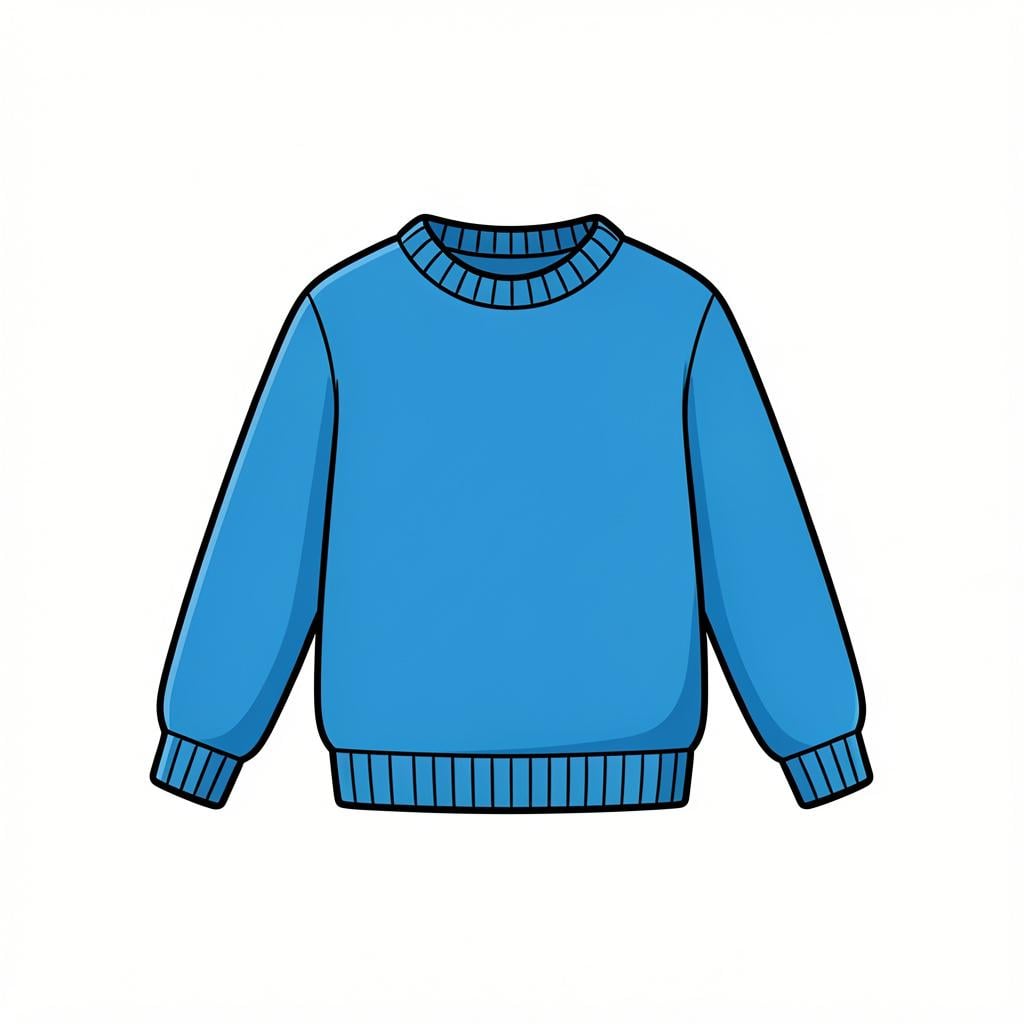
📝 In Action
Me gusta mucho tu suéter nuevo.
A1I really like your new sweater.
Ponte un suéter porque va a hacer frío afuera.
A1Put on a sweater because it's going to be cold outside.
Este suéter de lana es muy suave y abrigado.
A2This wool sweater is very soft and warm.
✏️ Quick Practice
Quick Quiz: suéter
Question 1 of 2
Which of these is the correct way to say 'The sweaters' (plural)?
📚 More Resources
👥 Word Family▼
🎵 Rhymes▼
📚 Etymology▼
Borrowed from the English word 'sweater', which originally referred to clothing worn to promote sweating during exercise to lose weight.
First recorded: Early 20th century
Cognates (Related words)
💡 Master Spanish
Take your Spanish to the next level. Read 200+ illustrated and narrated Spanish stories tailored to your level with the Inklingo app!
Frequently Asked Questions
Why does 'suéter' have an accent mark?
Spanish words that end in 'r' usually have the stress on the last syllable. Since 'suéter' is stressed on the first syllable (SWEY-), we must add an accent mark to show it breaks the normal rule.
Is 'suéter' used for hoodies too?
Usually no. A hoodie is typically called a 'sudadera'. 'Suéter' usually refers to a knitted garment without a hood.