tentar
“tentar” means “to tempt” in Spanish. It has 2 different meanings depending on context:


to tempt
Also: to entice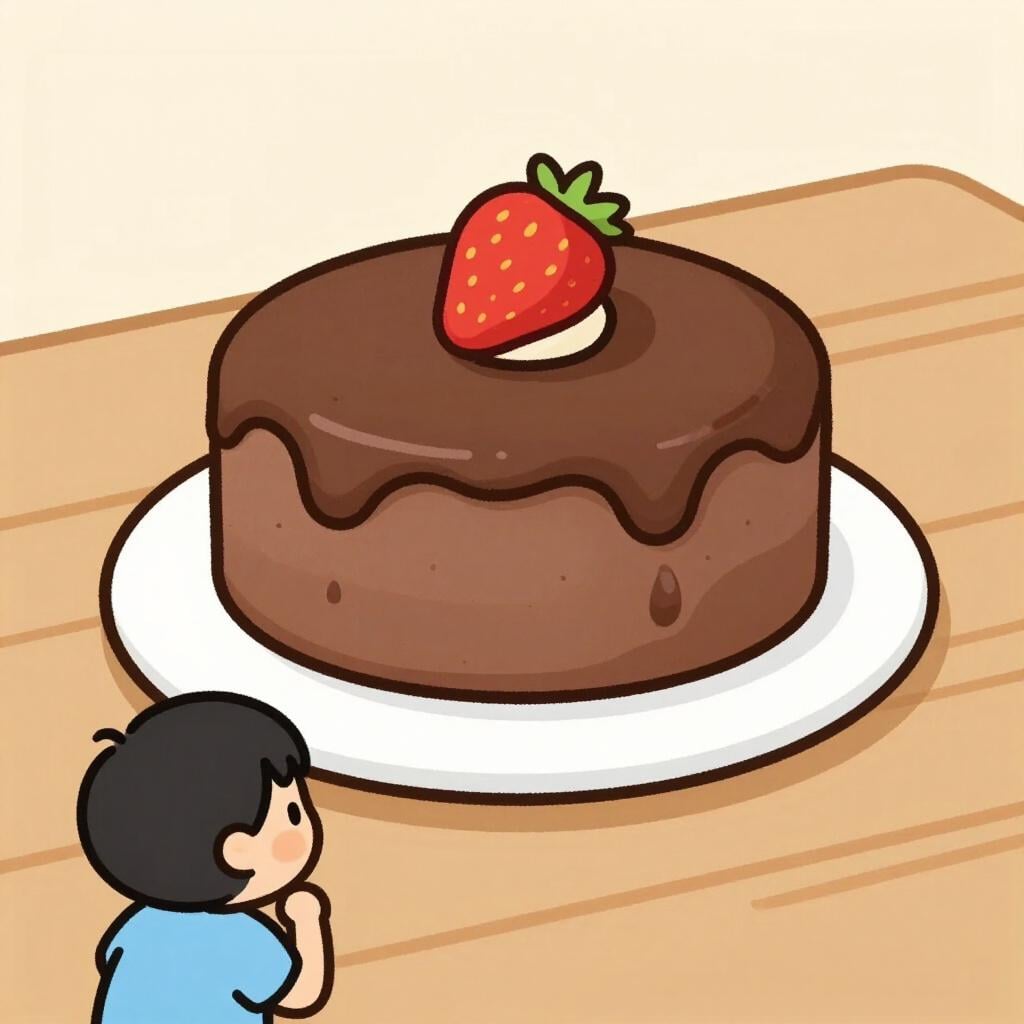
📝 In Action
Ese pastel de chocolate me tienta mucho.
A2That chocolate cake tempts me a lot.
No me tientes con ir a la playa, que tengo que trabajar.
B1Don't tempt me with going to the beach; I have to work.
La oferta era tan buena que acabó tentando a los inversores.
C1The offer was so good that it ended up enticing the investors.
to feel, to grope
Also: to test
📝 In Action
Tentó las paredes en la oscuridad hasta encontrar la puerta.
B2He felt the walls in the dark until he found the door.
El ciego tentaba el suelo con su bastón.
B2The blind man felt the ground with his cane.
Antes de comprar la fruta, le gusta tentarla para ver si está madura.
C1Before buying the fruit, she likes to touch it to see if it's ripe.
Subjunctive
Imperfect Subjunctive
Present Subjunctive
Indicative
Preterite
Imperfect
Present
Translate to Spanish
✏️ Quick Practice
Quick Quiz: tentar
Question 1 of 3
Which sentence means 'Don't push your luck'?
📚 More Resources
👥 Word Family▼
📚 Etymology▼
From the Latin word 'temptare', which originally meant to handle, touch, or test something to see how it felt.
First recorded: 12th century
Cognates (Related words)
💡 Master Spanish
Take your Spanish to the next level. Read 200+ illustrated and narrated Spanish stories tailored to your level with the Inklingo app!
Frequently Asked Questions
Is 'tentar' a regular verb?
Not quite. It is a 'stem-changer,' meaning the 'e' turns into 'ie' when you stress that part of the word (like in 'yo tiento'). However, it follows regular '-ar' rules in the past tense (Preterite).
Can 'tentar' mean 'to try'?
No. Beginners often confuse it with 'intentar'. If you want to say 'I'm going to try to study,' use 'Voy a intentar estudiar'.
What does 'tentar el terreno' mean?
It's like the English phrase 'to feel out the situation' or 'test the waters' before making a decision.