variable
“variable” means “changeable” in Spanish. It has 2 different meanings depending on context:
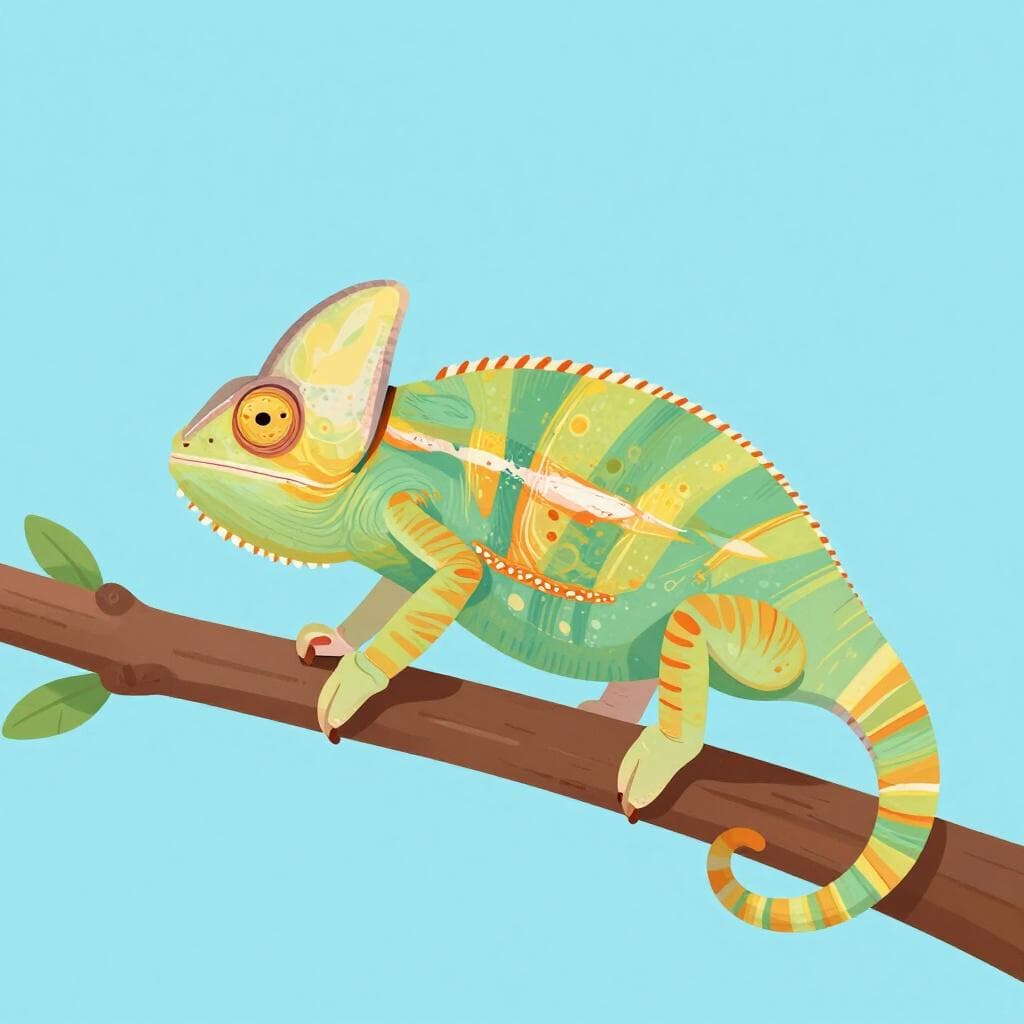

changeableAlso: fickle, inconsistent
📝 In Action
El clima en esta ciudad es muy variable.
A2The weather in this city is very changeable.
Ella tiene un humor variable según el día.
B1She has a fickle mood depending on the day.
Los resultados de la prueba fueron variables y poco claros.
B2The test results were inconsistent and unclear.
Word Connections
variableAlso: factor

📝 In Action
Tenemos que controlar esta variable en el experimento.
B2We have to control this variable in the experiment.
En matemáticas, 'x' suele ser la variable.
B1In mathematics, 'x' is usually the variable.
El precio es una variable importante en nuestra decisión.
B2The price is an important factor in our decision.
Word Connections
Translate to Spanish
Words that translate to "variable" in Spanish:
✏️ Quick Practice
Quick Quiz: variable
Question 1 of 3
How do you say 'The weather is changeable'?
📚 More Resources
👥 Word Family
📚 Etymology
From Latin 'variabilis', which comes from 'variare' meaning to change or make different. It shares the same root as the English word 'vary'.
First recorded: 13th century
Cognates (Related words)
💡 Master Spanish
Take your Spanish to the next level. Read 200+ illustrated and narrated Spanish stories tailored to your level with the Inklingo app!
Frequently Asked Questions
Is 'variable' masculine or feminine?
As an adjective, it works for both (e.g., 'un chico variable', 'una chica variable'). As a noun (the factor), it is always feminine ('la variable').
What is the difference between 'variable' and 'variado'?
'Variable' means something that changes over time (like a mood). 'Variado' means there is a lot of diversity or different types of things (like a varied buffet).
Can I use 'variable' to describe a person?
Yes, but it usually implies their mood or opinions change often and might be a bit negative, similar to saying they are 'unstable' or 'fickle'.