vendar
“vendar” means “to bandage” in Spanish. It has 2 different meanings depending on context:
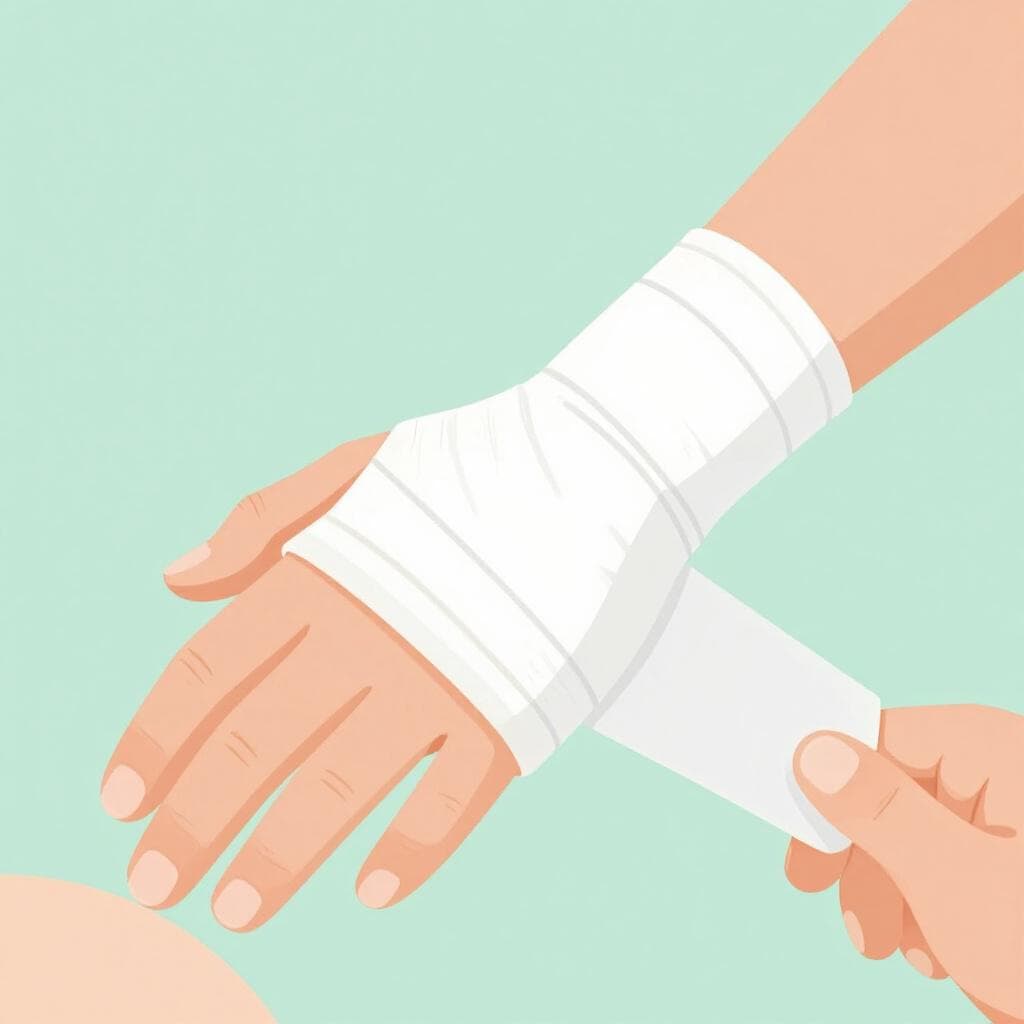

to bandage
Also: to dress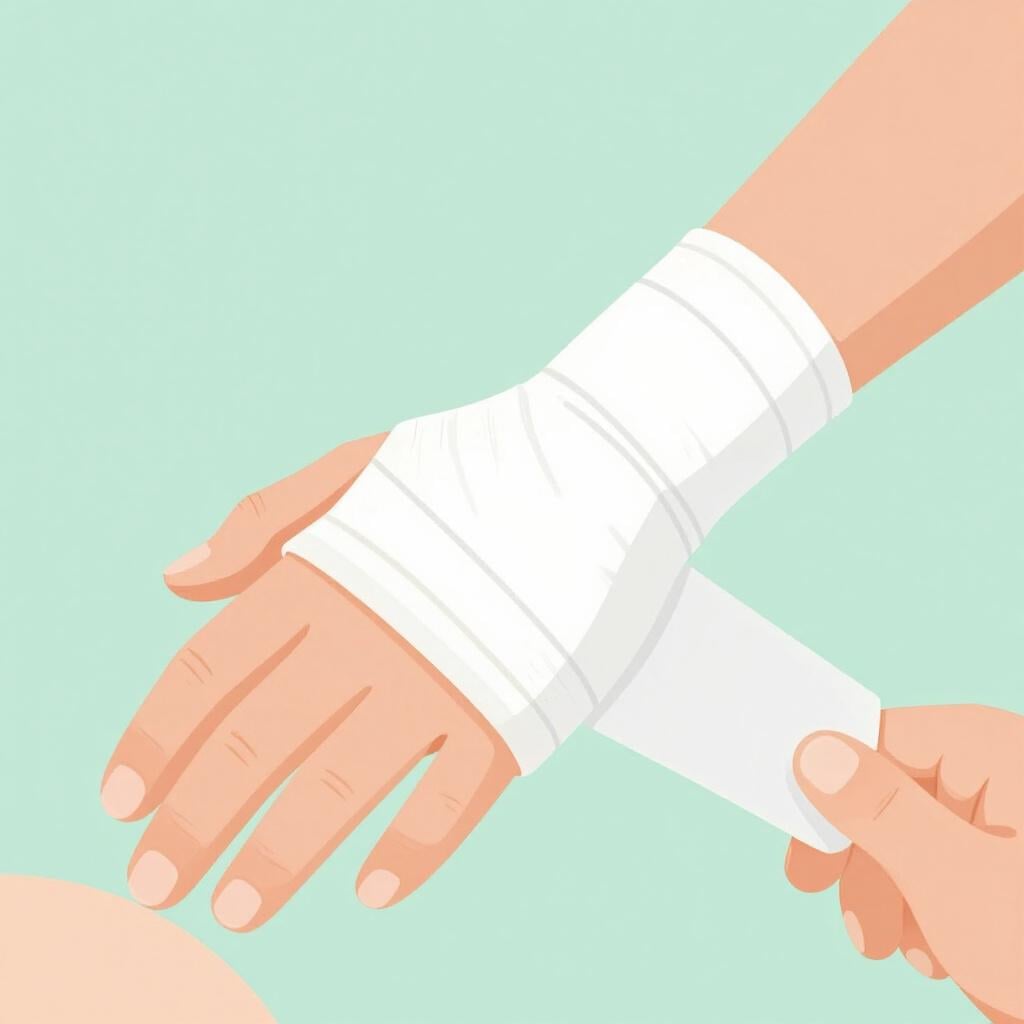
📝 In Action
El enfermero tiene que vendar la herida.
A2The nurse has to bandage the wound.
Me vendé el tobillo después de la carrera.
B1I bandaged my ankle after the race.
Es importante vendar bien la zona para evitar infecciones.
B2It is important to dress the area well to avoid infections.
to blindfold

📝 In Action
Le vendaron los ojos para la fiesta sorpresa.
B1They blindfolded him for the surprise party.
No puedes ver el regalo, te tengo que vendar los ojos.
B1You can't see the gift, I have to blindfold you.
Subjunctive
Imperfect Subjunctive
Present Subjunctive
Indicative
Preterite
Imperfect
Present
Translate to Spanish
✏️ Quick Practice
Quick Quiz: vendar
Question 1 of 3
What is the most likely meaning of 'Él me vendó el brazo'?
📚 More Resources
👥 Word Family▼
📚 Etymology▼
From the Spanish noun 'venda' (strip of cloth), which comes from Germanic origins meaning 'to wind' or 'to wrap'.
First recorded: 13th century
Cognates (Related words)
💡 Master Spanish
Take your Spanish to the next level. Read 200+ illustrated and narrated Spanish stories tailored to your level with the Inklingo app!
Frequently Asked Questions
Does 'vendo' mean 'I sell' or 'I bandage'?
Both! It depends on context. 'Yo vendo pan' (I sell bread) vs. 'Yo vendo la herida' (I bandage the wound). However, 'vender' (to sell) is much more common in daily life.
What is the difference between 'venda' and 'vendaje'?
A 'venda' is the physical strip of cloth (the bandage itself), whereas 'vendaje' usually refers to the result or the whole setup of bandages on a person.
Can I use 'vendar' to wrap a gift?
No, you should use 'envolver' for gifts. 'Vendar' is specifically for medical wraps or blindfolds.