How to Say "altar" in Spanish
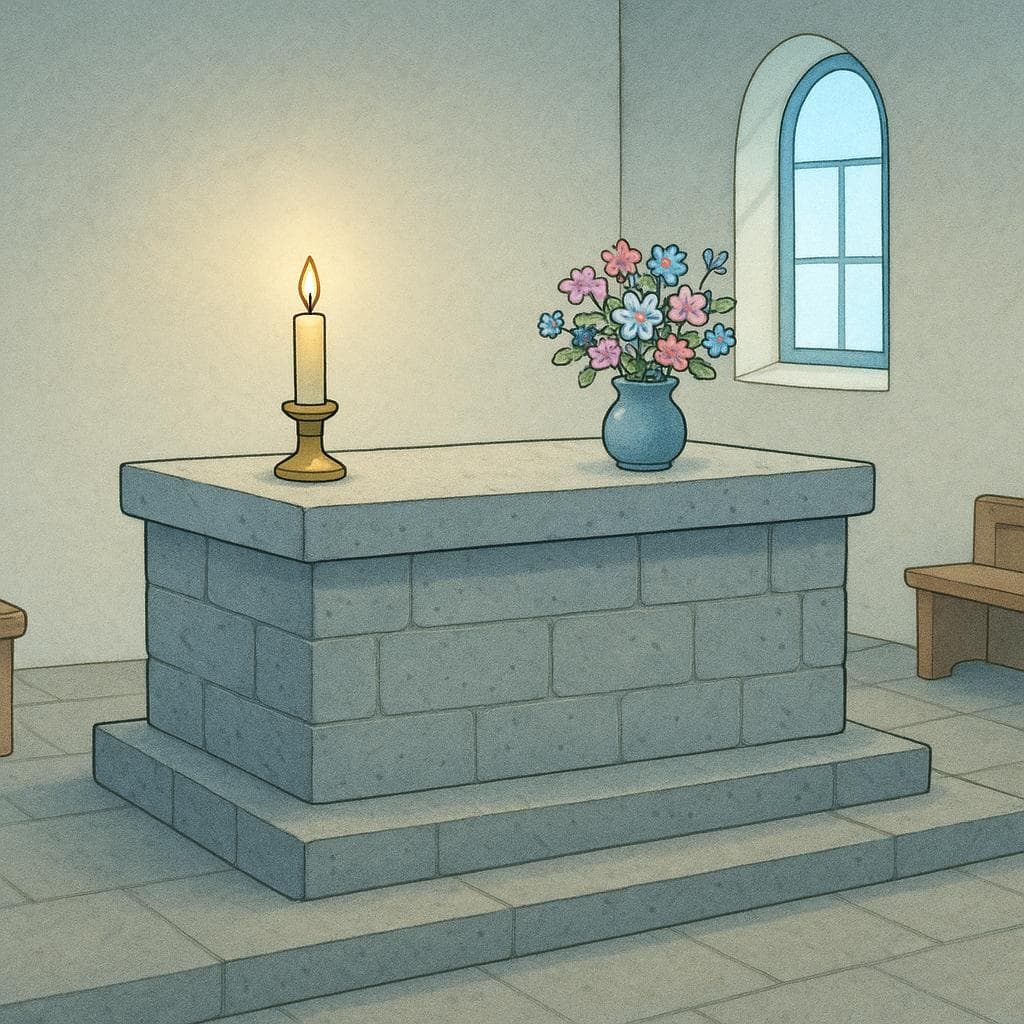
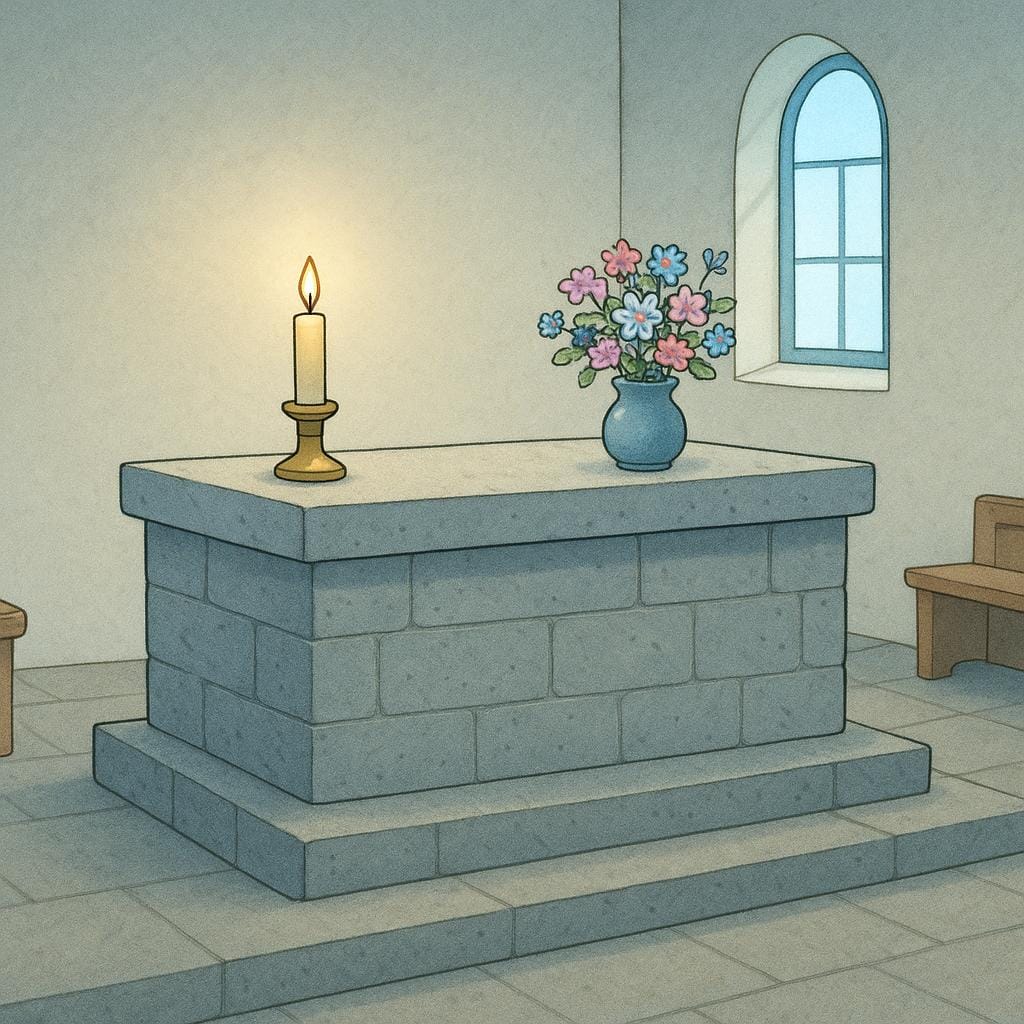
The most common Spanish word for “altar” is “altar” — use 'altar' when referring to a raised structure in a church or other religious building where religious ceremonies are performed.
altar
ahl-TARRalˈtaɾ
Examples
El sacerdote se acercó al altar para oficiar la misa.
The priest approached the altar to officiate the mass.
En México, la gente construye altares de muertos en noviembre.
In Mexico, people build altars for the dead in November.
La iglesia tiene un hermoso altar tallado en madera antigua.
The church has a beautiful altar carved from antique wood.
Masculine Noun
Even though 'altar' ends in 'r' (which can sometimes be feminine), it is always a masculine noun: 'el altar'.
Gender confusion
Mistake: “La altar es grande.”
Correction: El altar es grande. (It must take the masculine article 'el'.)
ofrenda
oh-fren-dahoˈfɾenda
Examples
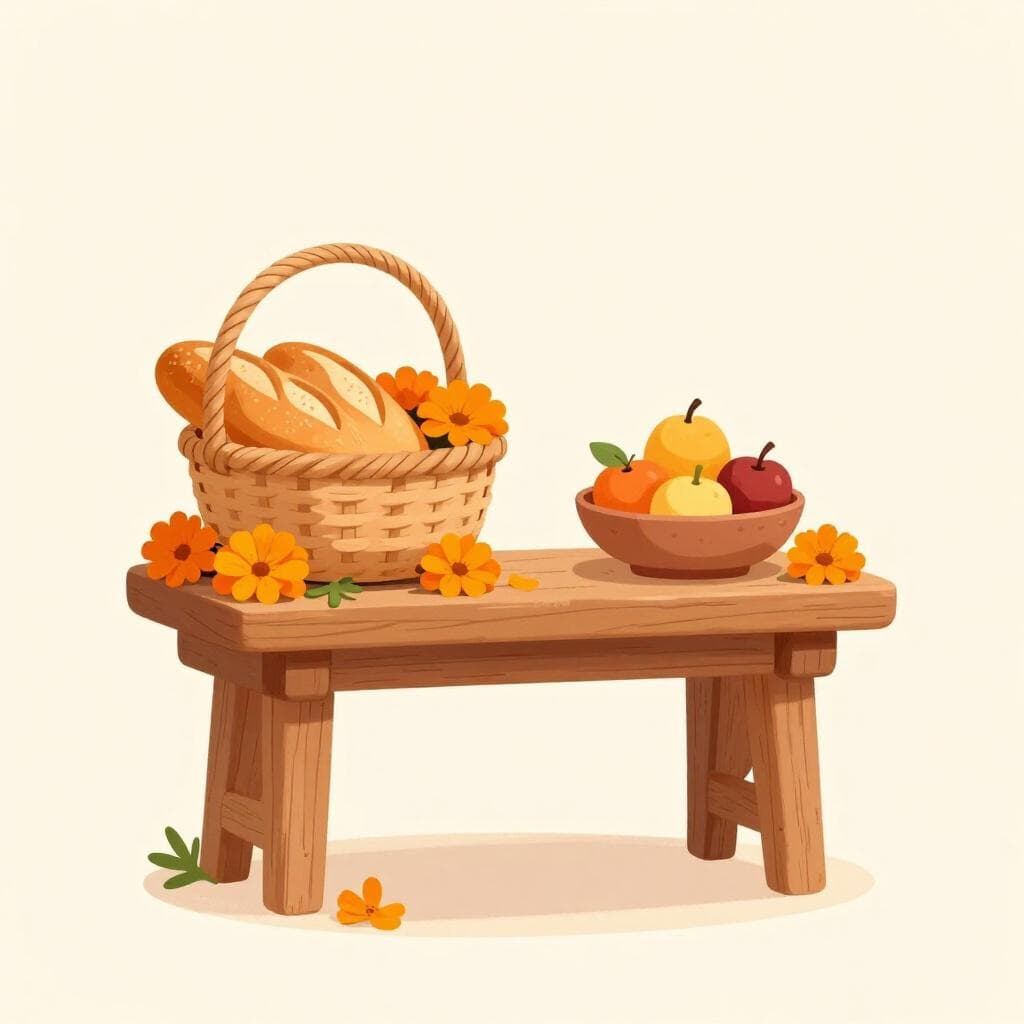
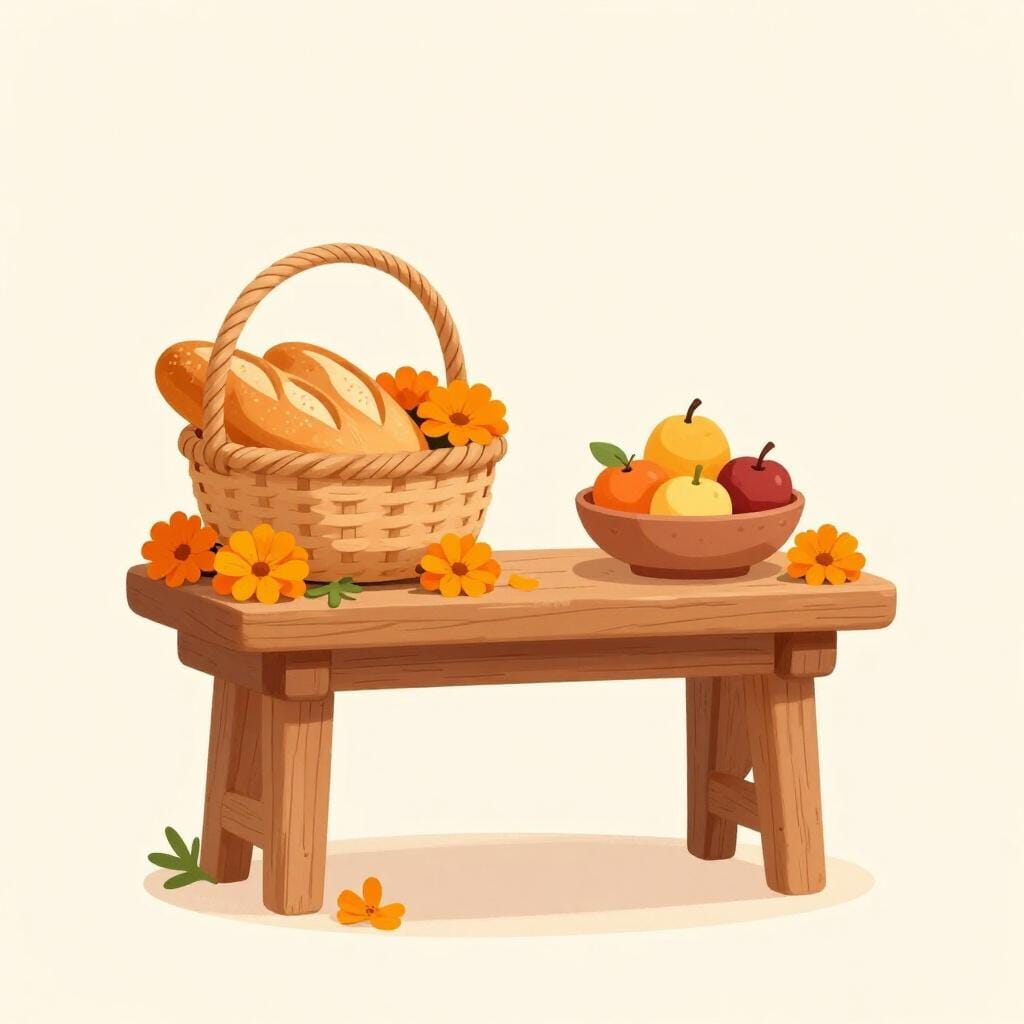
Pusimos una ofrenda con fotos de mis abuelos.
We set up an altar with photos of my grandparents.
Llevaron flores como ofrenda a la iglesia.
They took flowers as an offering to the church.
Este concierto es una ofrenda a la paz mundial.
This concert is a tribute to world peace.
A feminine word
Since it ends in 'a,' this word is feminine. You should always use 'la' or 'una' with it (e.g., 'la ofrenda').
Verb pairing
In a ritual context, like Day of the Dead, we use the verb 'poner' (to put/place) to describe setting up the display.
Gift vs. Offering
Mistake: “Using 'ofrenda' for a birthday present.”
Correction: Use 'regalo' for birthday or Christmas gifts. Use 'ofrenda' only for religious, ritual, or symbolic tributes.
Confusing religious altars with cultural displays
Related Translations
Learn Spanish with Inklingo
Interactive stories, personalized learning, and more.