How to Say "shrine" in Spanish
The most common Spanish word for “shrine” is “altar” — use 'altar' for the physical structure where offerings are made or religious ceremonies take place, especially in a church or temple.
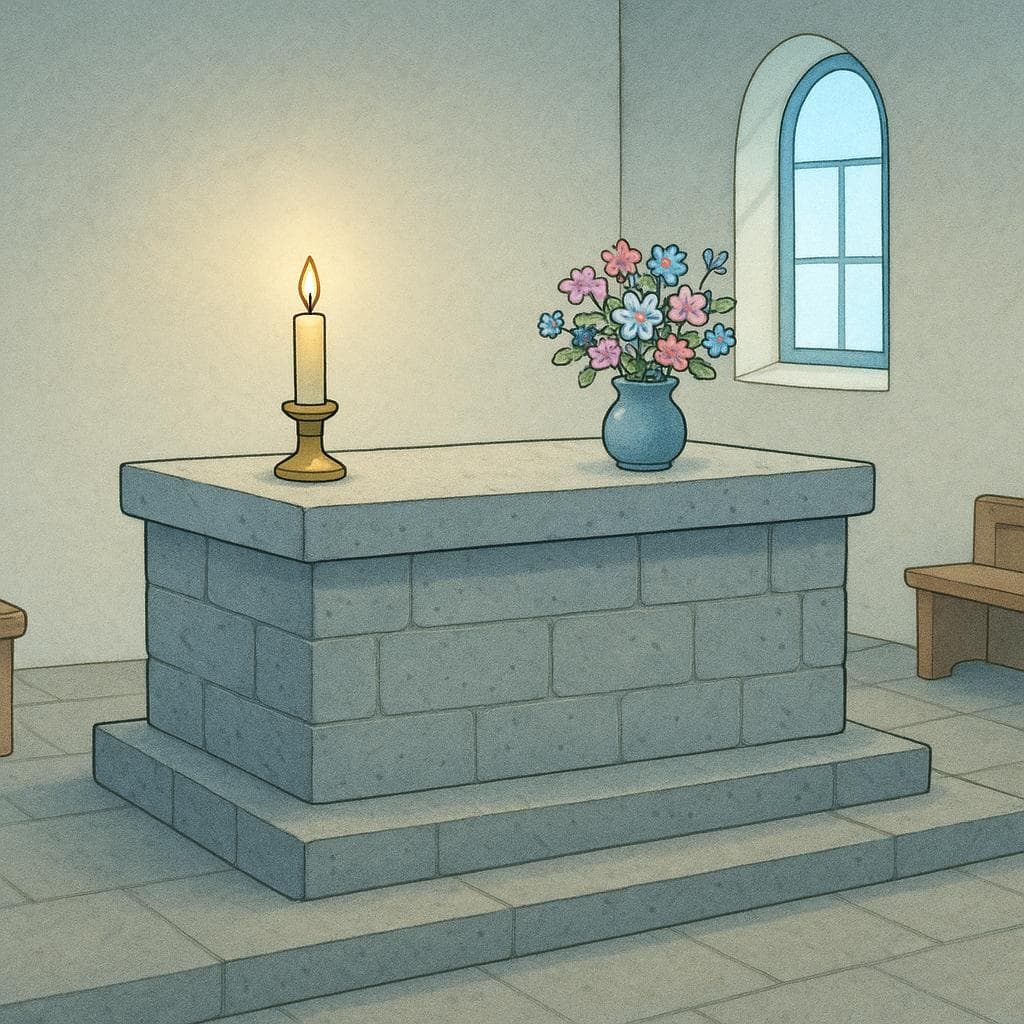

altar
ahl-TARRalˈtaɾ
Examples
El sacerdote se acercó al altar para oficiar la misa.
The priest approached the altar to officiate the mass.
En México, la gente construye altares de muertos en noviembre.
In Mexico, people build altars for the dead in November.
La iglesia tiene un hermoso altar tallado en madera antigua.
The church has a beautiful altar carved from antique wood.
Puso su ambición en el altar de su carrera.
He placed his ambition on the altar (i.e., sacrificed it for) his career.
Masculine Noun
Even though 'altar' ends in 'r' (which can sometimes be feminine), it is always a masculine noun: 'el altar'.
Gender confusion
Mistake: “La altar es grande.”
Correction: El altar es grande. (It must take the masculine article 'el'.)
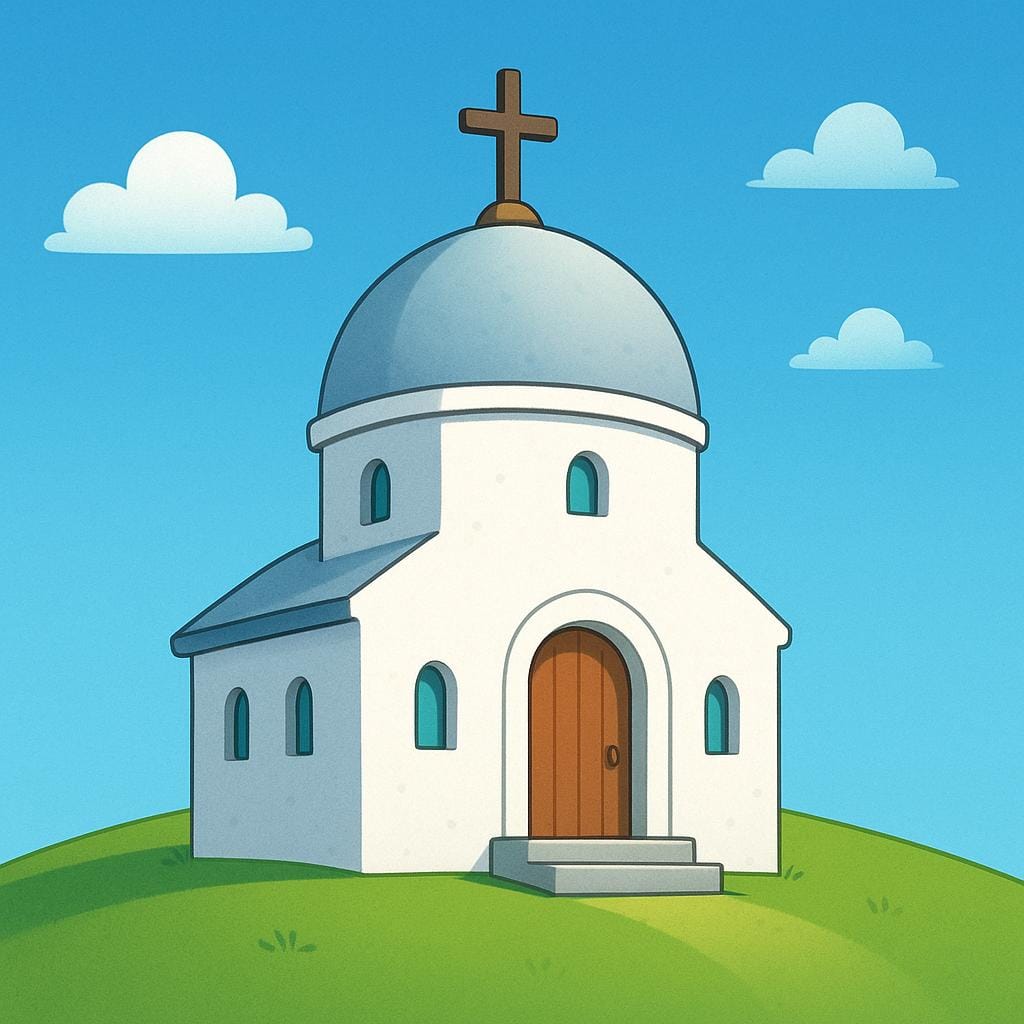
santuario
san-TWAH-ree-ohsanˈtwaɾjo
Examples
Millones de personas visitan el santuario cada año.
Millions of people visit the sanctuary every year.
Construyeron un pequeño santuario en honor a la virgen.
They built a small shrine in honor of the virgin.
Gender Reminder
Even though it ends in '-o', remember that 'santuario' is a masculine noun, so you always use 'el' or 'un' before it.
Pronouncing the 'u'
Mistake: “Pronouncing it as four separate syllables: 'san-tu-a-rio'.”
Correction: The 'u' and 'a' blend together to form a quick sound (a diphthong) in the middle: 'san-TWAH-rio'. This makes it three syllables.
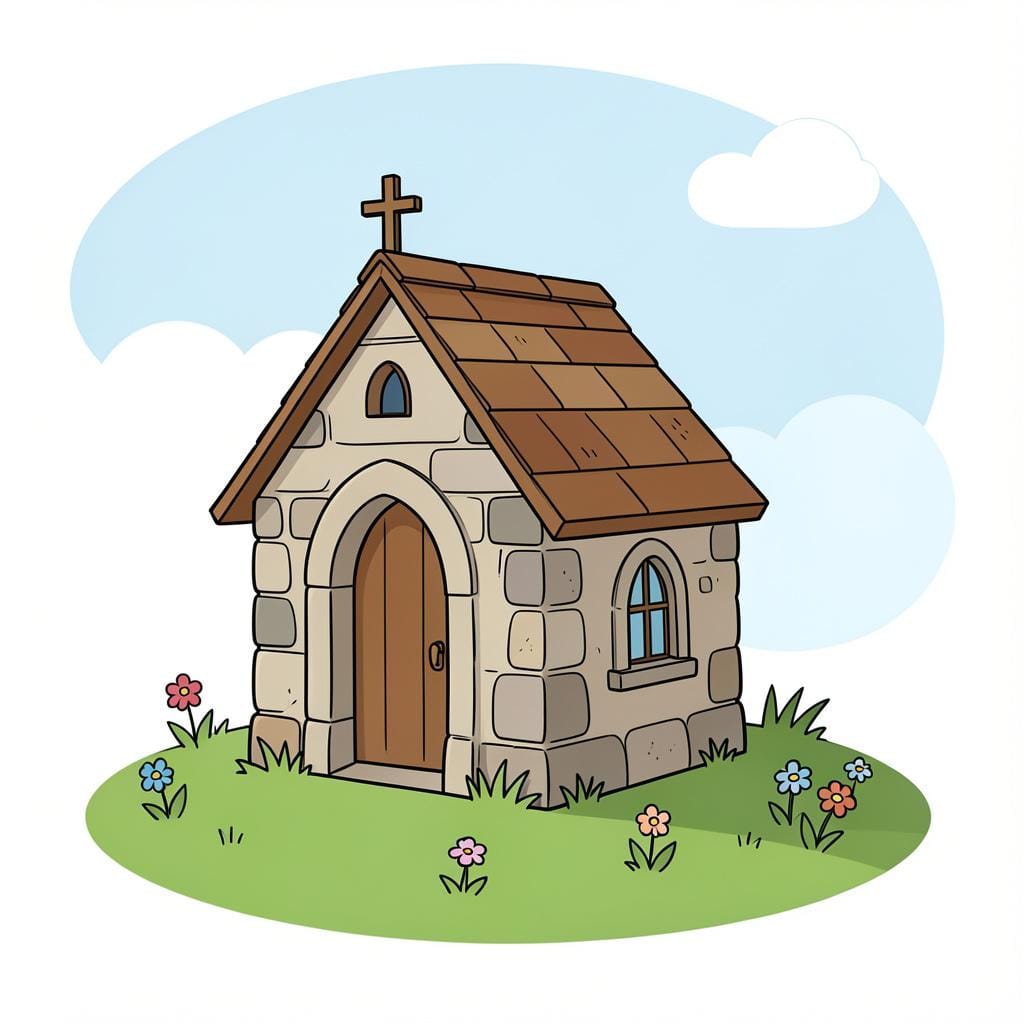
capilla
kah-PEE-yahkaˈpiʝa
Examples
La boda se celebró en una pequeña capilla en las montañas.
The wedding was held in a small chapel in the mountains.
Muchos hospitales tienen una capilla para los pacientes.
Many hospitals have a chapel for the patients.
Always Feminine
Even though it refers to a building, 'capilla' is always feminine. Use 'la capilla' or 'una capilla'.
Capilla vs. Iglesia
Mistake: “Using 'capilla' for a large city church.”
Correction: Use 'iglesia' for standard churches and 'catedral' for large ones. 'Capilla' is only for small rooms or tiny buildings.
templo
TEM-plo (Stress on the first syllable)ˈtemplo

Examples
La universidad es un templo del saber y la cultura.
The university is a temple (sanctuary) of knowledge and culture.
Cuidar de tu cuerpo es importante, es tu templo personal.
Taking care of your body is important; it is your personal temple.
Figurative Language
This meaning uses 'templo' as a metaphor, meaning a place or thing that is highly respected, important, or sacred, even if it’s not a physical building.
Altar vs. Santuario
Related Translations
Learn Spanish with Inklingo
Interactive stories, personalized learning, and more.