How to Say "applying" in Spanish
The most common Spanish word for “applying” is “poniendo” — use 'poniendo' when you are applying effort, pressure, or introducing something like music or a rule.

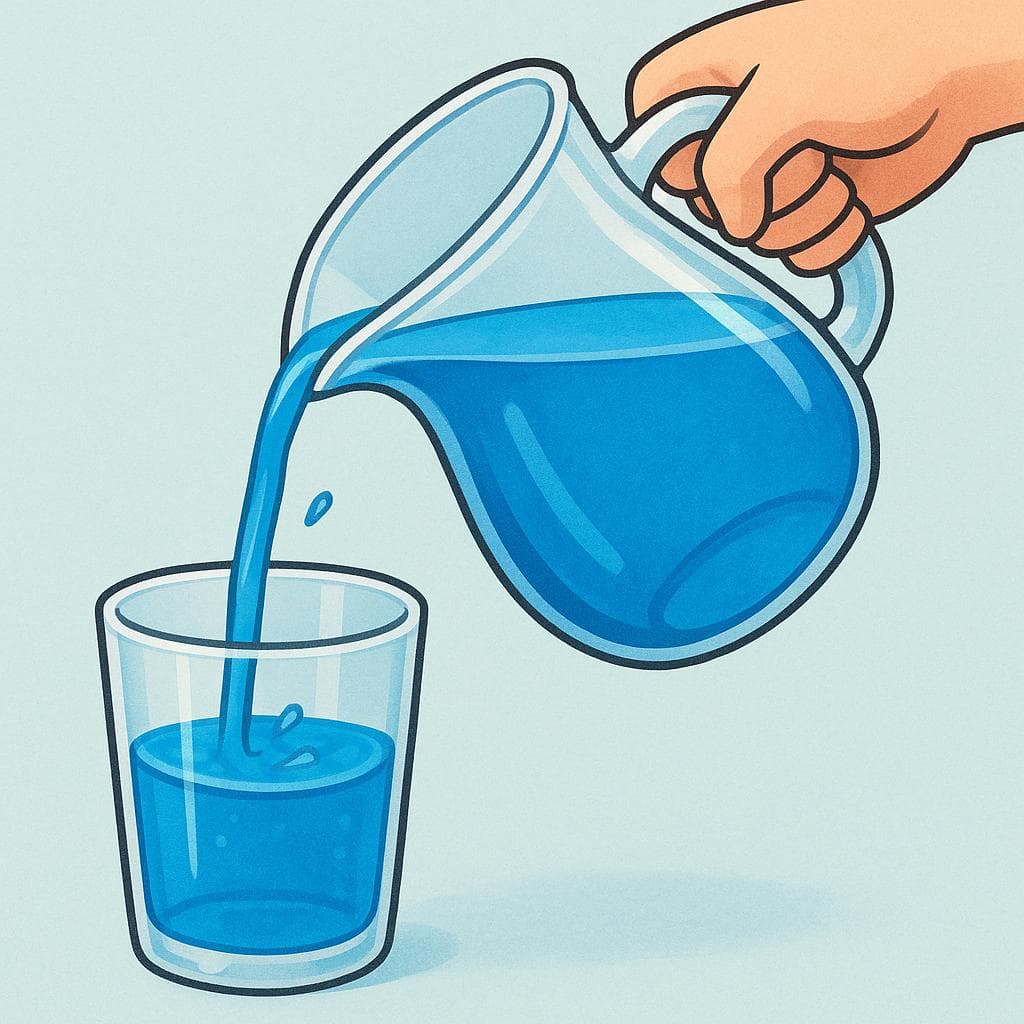
poniendo
po-NYEN-dopoˈnjendo

Examples
El artista está poniendo mucha pasión en su obra.
The artist is applying a lot of passion to his work.
¿Quién está poniendo esa música tan fuerte?
Who is putting on (playing) that music so loud?
El jefe nos está poniendo mucha presión para terminar a tiempo.
The boss is putting a lot of pressure on us to finish on time.
El sol está poniendo mi piel roja.
The sun is making my skin red.
Creating a State
In Spanish, 'poner' can mean 'to make/cause' someone or something to enter a state, often used with adjectives (e.g., 'poniendo triste' = making sad). This is different from the reflexive 'ponerse' (to become).
Using 'Hacer' instead of 'Poner'
Mistake: “Está haciendo la música. (He is making the music.)”
Correction: Está poniendo la música. (Use 'poner' for playing or broadcasting media.)
echando
eh-CHAHN-doheˈtʃan.do
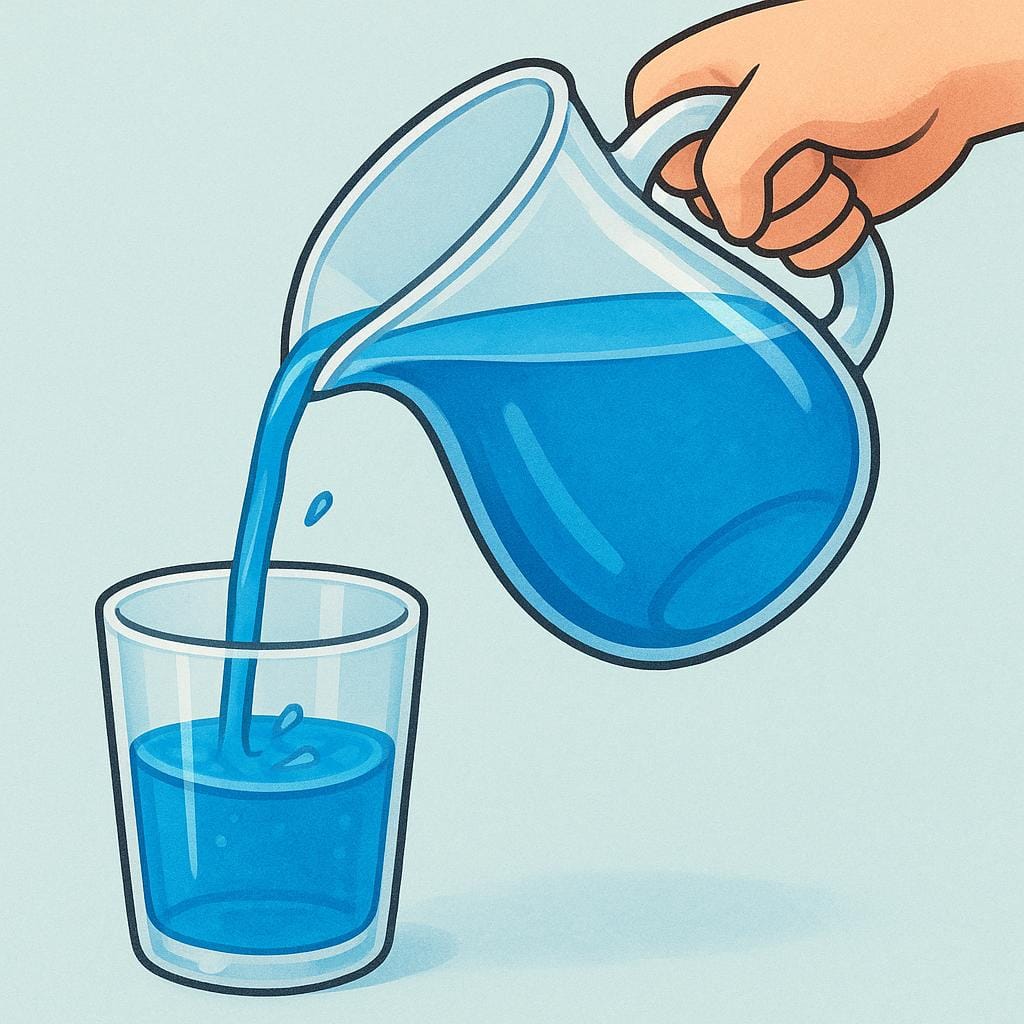
Examples
El pintor está echando una capa de pintura.
The painter is applying a coat of paint.
Ella está echando agua a las plantas.
She is pouring water on the plants.
¿Estás echando mucha sal a la sopa?
Are you adding a lot of salt to the soup?
Liquids and Ingredients
This meaning of 'echando' is used frequently for adding any kind of substance, whether it's pouring coffee or mixing spices into a recipe.
Effort vs. Physical Coating
Related Translations
Learn Spanish with Inklingo
Interactive stories, personalized learning, and more.