How to Say "astonishment" in Spanish
The most common Spanish word for “astonishment” is “sorpresa” — use 'sorpresa' when referring to the general feeling of being surprised by an event or person, or when something unexpected happens.


sorpresa
sor-PREH-sahsoɾˈpɾesa

Examples
¡Qué sorpresa verte aquí!
What a surprise to see you here!
Mi familia me organizó una fiesta sorpresa por mi cumpleaños.
My family organized a surprise party for my birthday.
La noticia fue una gran sorpresa para todos.
The news was a big surprise for everyone.
Using 'de' and 'para' with Sorpresa
To say 'to my surprise', use 'para mi sorpresa'. To talk about something happening 'by surprise', use 'de sorpresa'. For example, 'Llegaron de sorpresa' means 'They arrived by surprise'.
It's a Feminine Word
Mistake: “El sorpresa fue grande.”
Correction: La sorpresa fue grande. Remember that 'sorpresa' ends in '-a' and is a feminine word, so any words describing it (like 'la' or 'grande') must also be in their feminine form.
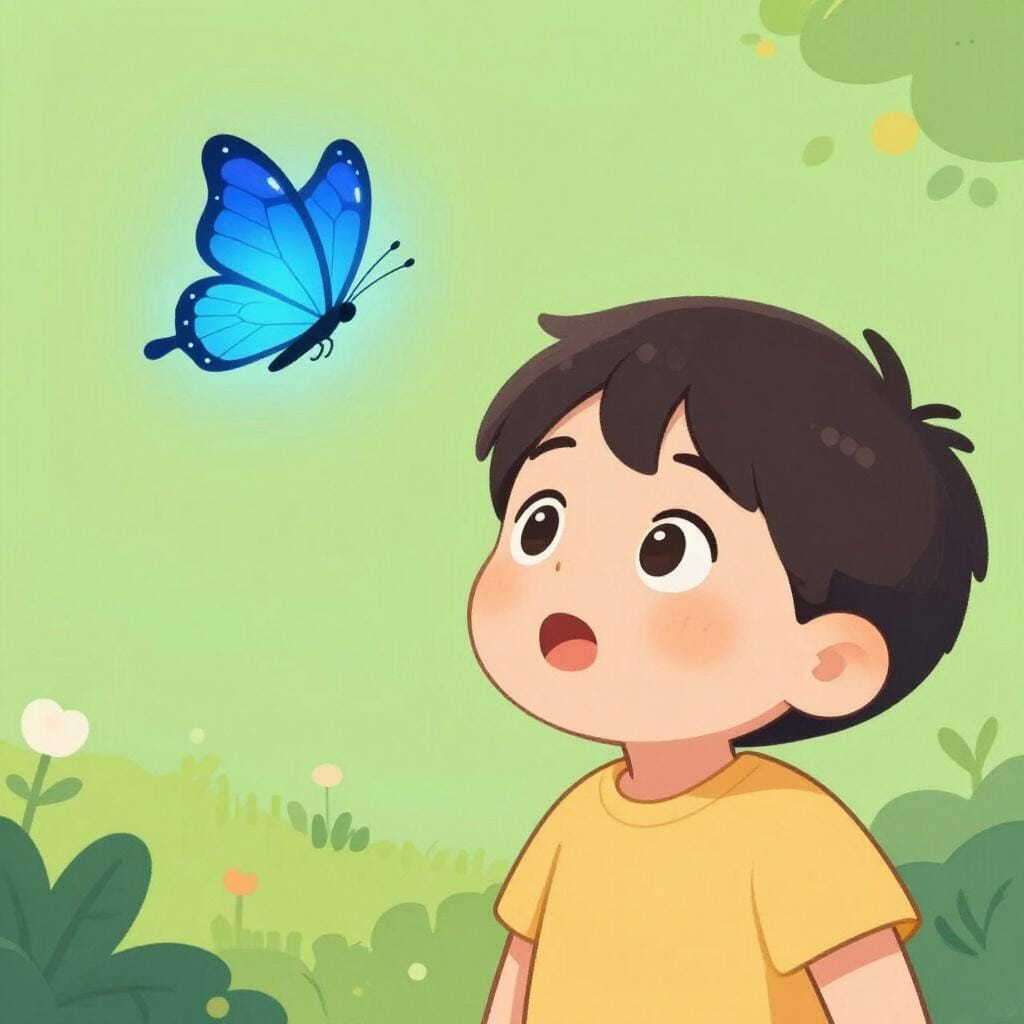
asombro
ah-SOHM-brohaˈsombɾo
Examples
Miró el gran pastel con asombro.
He looked at the large cake with amazement.
Para asombro de todos, el niño resolvió el problema.
To everyone's astonishment, the boy solved the problem.
Su voz era tan hermosa que causó un asombro general.
Her voice was so beautiful that it caused general wonder.
Describing 'How' with Asombro
To say you did something 'amazedly,' use the phrase 'con asombro' (with amazement).
It's a masculine noun
Always use 'el asombro' or 'un asombro.' The ending '-o' is a helpful hint that it's masculine.
Confusing Nouns and Verbs
Mistake: “Yo asombro cuando veo eso.”
Correction: Me asombro cuando veo eso (I am amazed) or 'Siento asombro' (I feel amazement).
Sorpresa vs. Asombro
Related Translations
Learn Spanish with Inklingo
Interactive stories, personalized learning, and more.