How to Say "baby boy" in Spanish
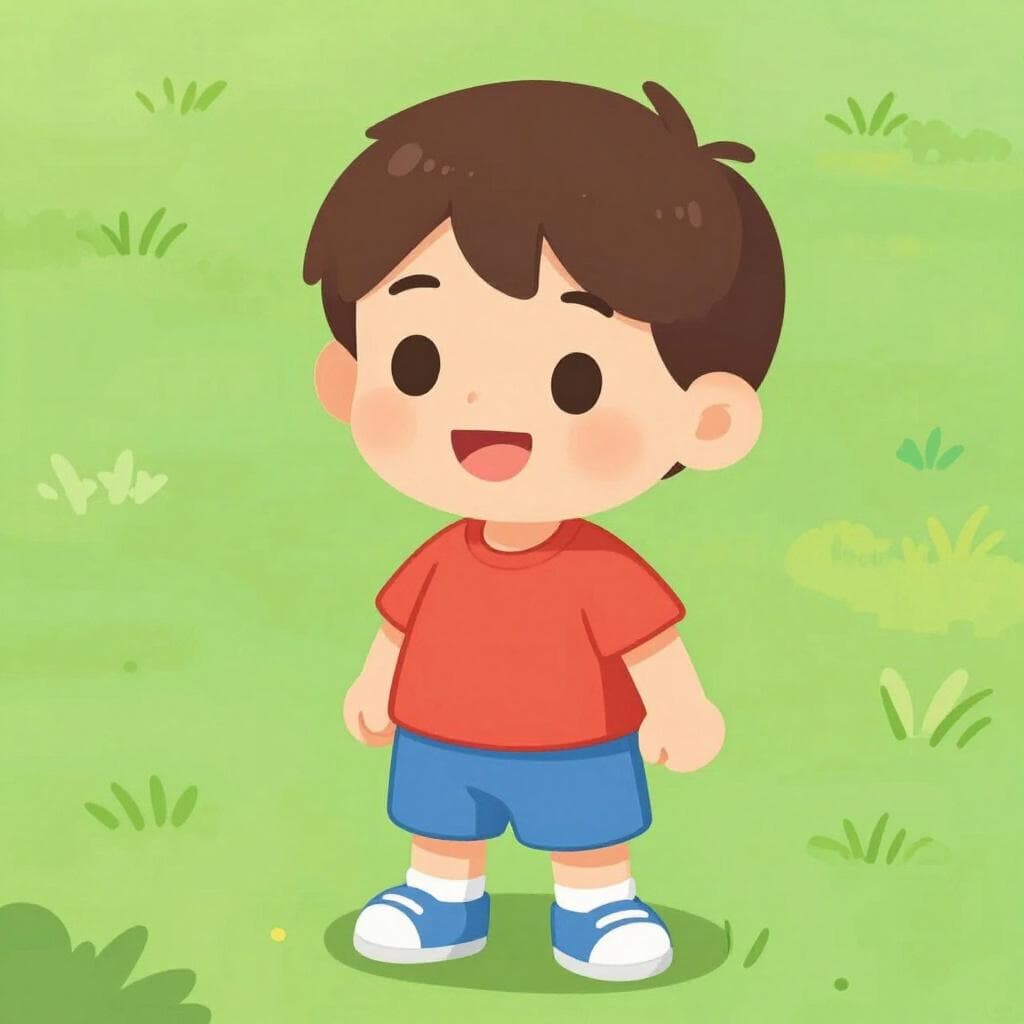
The most common Spanish word for “baby boy” is “nene” — use 'nene' when referring to a baby or toddler in a general sense, without a particular emphasis on their smallness or cuteness.

NEH-nehˈne.ne

Examples
Mi sobrino es un nene muy travieso.
My nephew is a very mischievous baby boy.
El nene de mi hermana ya camina solo.
My sister's little boy already walks by himself.
Tienes que cambiarle el pañal al nene.
You have to change the baby's diaper.
Los nenes están jugando en el parque.
The kids are playing in the park.
Masculine/Feminine Pair
Remember that 'nene' refers to a male child. The feminine form, 'nena,' is used for a little girl.
nee-NYEE-tohniˈɲito

Examples
Mira qué lindo niñito, está jugando con sus bloques.
Look at the cute little boy, he is playing with his blocks.
El niñito está durmiendo en su cuna.
The little boy is sleeping in his crib.
¡Qué niñito tan valiente!
What a brave little boy!
Un niñito me pidió ayuda para cruzar la calle.
A little boy asked me for help to cross the street.
The '-ito' Ending
Spanish speakers add '-ito' to the end of words like 'niño' to make them sound smaller, cuter, or more affectionate. It's like adding 'little' or '-y' in English (like 'doggy').
Gender Agreement
Since 'niñito' ends in 'o', it is masculine. Any words describing him (like 'bueno' or 'pequeño') must also end in 'o'.
Using it for girls
Mistake: “Calling a little girl a 'niñito'.”
Correction: Use 'niñita' for girls. Spanish is very specific about using 'o' for boys and 'a' for girls.
Over-translating 'little'
Mistake: “Saying 'pequeño niño' instead of 'niñito'.”
Correction: While 'pequeño niño' is correct, 'niñito' sounds much more natural and warm to native speakers.
Nene vs. Niñito
Learners often confuse 'nene' and 'niñito' because both refer to a young boy. The key difference is that 'niñito' uses the diminutive suffix '-ito' to explicitly convey smallness or affection, making it more specific than the general term 'nene'.
Related Translations
Learn Spanish with Inklingo
Interactive stories, personalized learning, and more.