How to Say "sweetie" in Spanish
The most common Spanish word for “sweetie” is “nena” — use this term of endearment primarily for a young girl or a baby, similar to 'little one' or 'baby girl'.
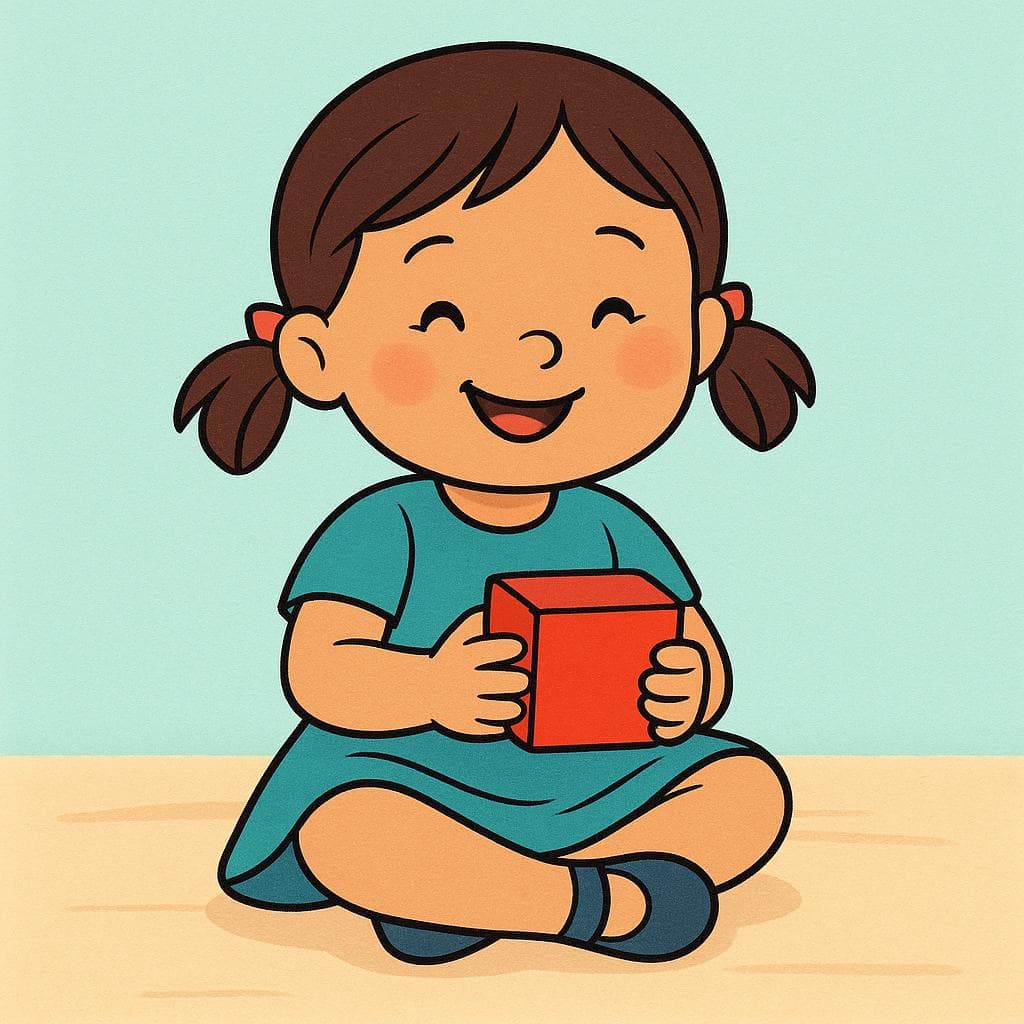



nena
NEH-nahˈnena
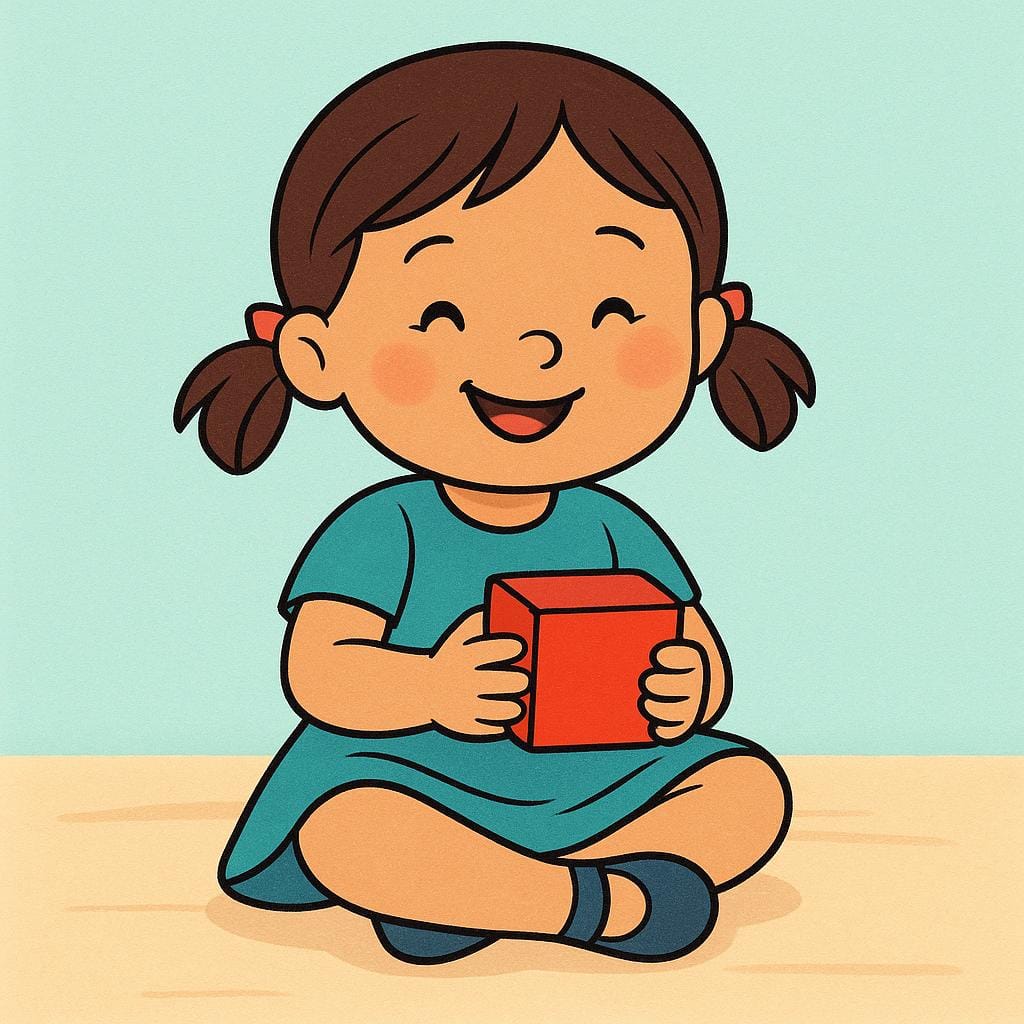
Examples
Ven aquí, nena, te he comprado un regalo.
Come here, sweetie, I've bought you a gift.
La nena está durmiendo la siesta.
The little girl is taking a nap.
¡Qué bonita está la nena con ese vestido!
The little girl looks so pretty in that dress!
gatito
gah-TEE-tohɡaˈtito

Examples
Eres mi gatito, te quiero mucho.
You're my sweetie, I love you very much.
Ven aquí, gatito, y dame un abrazo.
Come here, sweetie, and give me a hug.
¿Estás cansado, gatito? Deberías ir a dormir.
Are you tired, dear? You should go to sleep.
Affectionate Diminutives
In Spanish, adding '-ito' or '-ita' often turns a noun into a loving nickname, even when referring to people. It signals warmth and closeness.
niñito
nee-NYEE-tohniˈɲito

Examples
Mira qué lindo está el niñito jugando.
Look how cute the little boy is playing.
El niñito está durmiendo en su cuna.
The little boy is sleeping in his crib.
¡Qué niñito tan valiente!
What a brave little boy!
Un niñito me pidió ayuda para cruzar la calle.
A little boy asked me for help to cross the street.
The '-ito' Ending
Spanish speakers add '-ito' to the end of words like 'niño' to make them sound smaller, cuter, or more affectionate. It's like adding 'little' or '-y' in English (like 'doggy').
Gender Agreement
Since 'niñito' ends in 'o', it is masculine. Any words describing him (like 'bueno' or 'pequeño') must also end in 'o'.
Using it for girls
Mistake: “Calling a little girl a 'niñito'.”
Correction: Use 'niñita' for girls. Spanish is very specific about using 'o' for boys and 'a' for girls.
Over-translating 'little'
Mistake: “Saying 'pequeño niño' instead of 'niñito'.”
Correction: While 'pequeño niño' is correct, 'niñito' sounds much more natural and warm to native speakers.
gorda
GOR-dahˈɡoɾða

Examples
Mi amor, ¿cómo está mi gorda linda?
My love, how is my sweetie?
Mi esposo siempre me llama 'Gorda' de cariño.
My husband always calls me 'Sweetie' (or 'Fatty') affectionately.
¡Oye, gorda! ¿Me ayudas con esto?
Hey, big girl! Can you help me with this?
Affectionate Nouns
It is common in Spanish to use physical descriptions (like 'gorda' or 'flaca') as friendly, affectionate nicknames, which may sound strange or offensive if translated literally to English.
Choosing between 'nena', 'gatito', 'niñito', and 'gorda'
Learn Spanish with Inklingo
Interactive stories, personalized learning, and more.