How to Say "boulevard" in Spanish
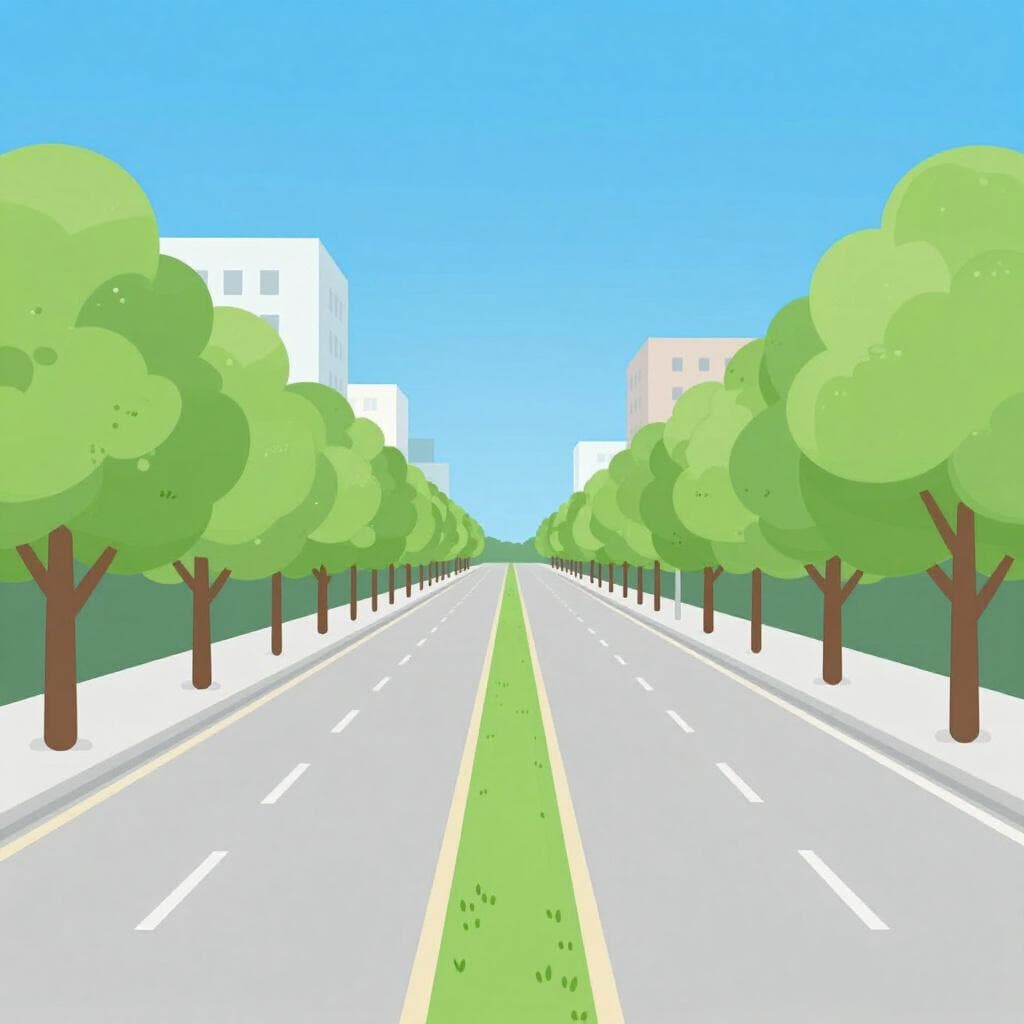
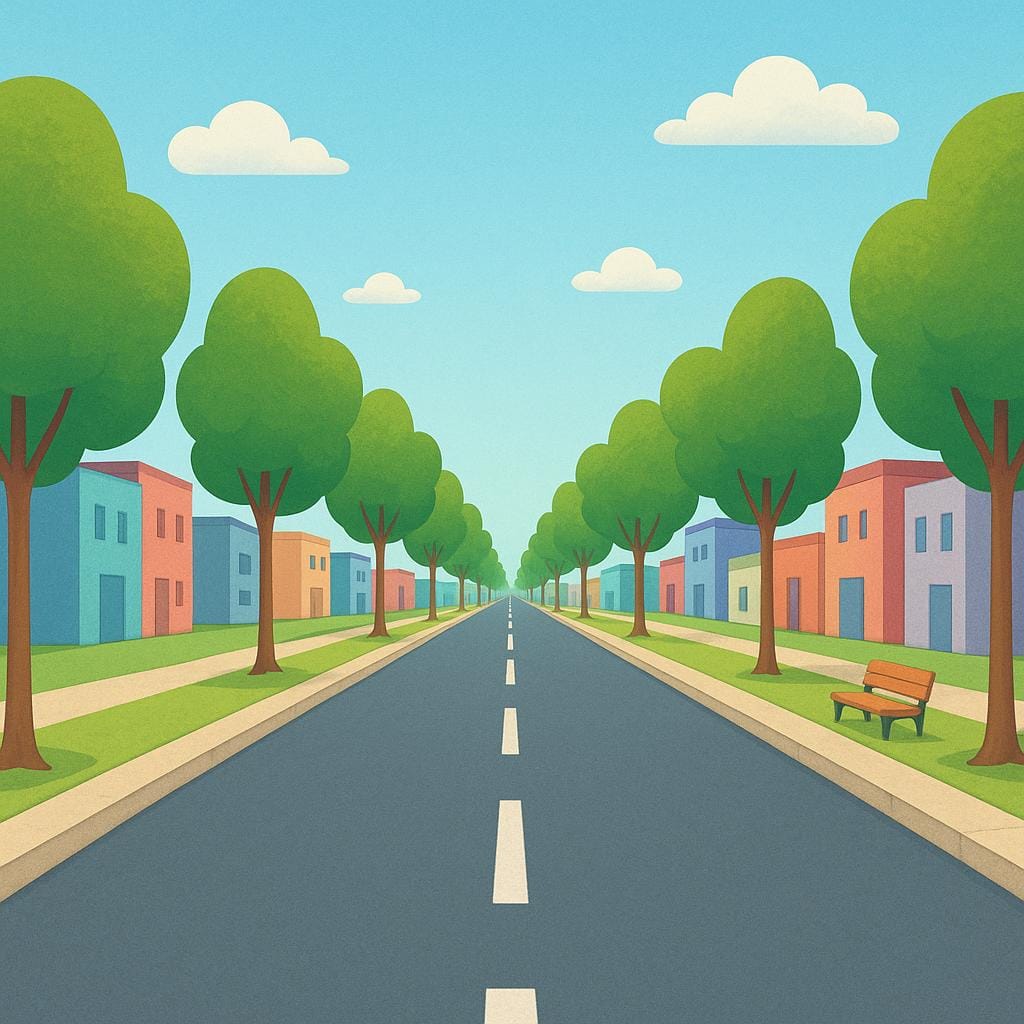
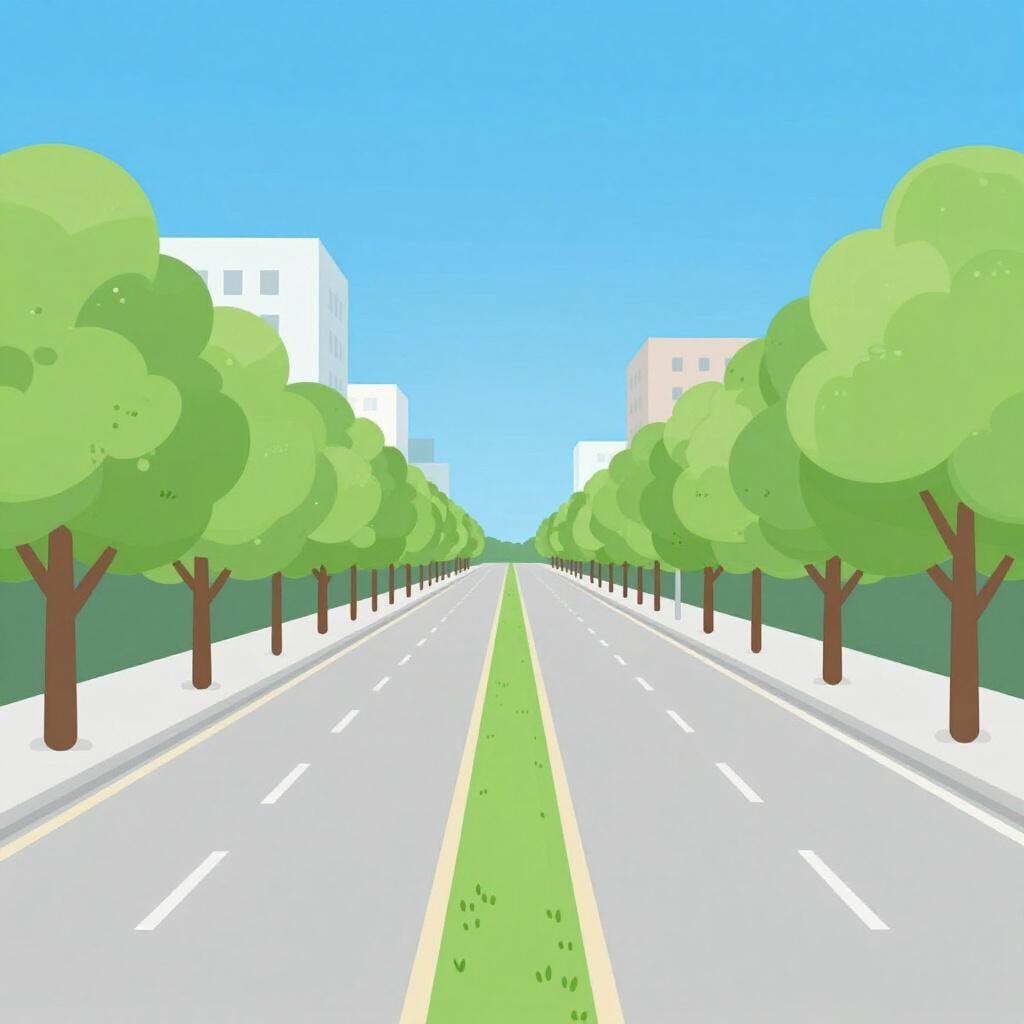
The most common Spanish word for “boulevard” is “avenida” — use 'avenida' for a general wide street, especially one that is a main thoroughfare or has a significant, established presence, often implying it's lined with trees.

avenida
ah-veh-NEE-dahaβeˈniða
Examples
La Avenida de los Campos Elíseos es muy famosa.
The Avenue of the Champs-Élysées is very famous.
Para llegar al centro, tienes que tomar esta avenida principal.
To get to the center, you have to take this main avenue.
El tráfico en la avenida es insoportable durante la hora pico de la mañana.
The traffic on the avenue is unbearable during the morning rush hour.
Feminine Noun
Remember that 'avenida' is always feminine, so you must use 'la' or 'una' before it, and any adjectives describing it must also end in -a (e.g., 'la avenida ancha' - the wide avenue).
Confusing 'Avenida' and 'Calle'
Mistake: “Usando 'calle' cuando se refiere a una vía muy grande y ancha.”
Correction: 'Avenida' is usually reserved for wider, often multi-lane streets, while 'calle' is the general term for any street, usually narrower ones. If it’s a major thoroughfare, use 'avenida'.
bulevar
boo-leh-BAHRbuleˈβaɾ
Examples
Caminamos por el bulevar bajo la sombra de los árboles.
We walked along the boulevard under the shade of the trees.
El hotel está ubicado en el bulevar principal de la ciudad.
The hotel is located on the city's main boulevard.
Muchos artistas venden sus cuadros en el bulevar los domingos.
Many artists sell their paintings on the boulevard on Sundays.
It is a 'Boy' word
Even though it doesn't end in -o, it is masculine. Always use 'el' or 'un' with it (el bulevar).
Making it plural
Since this word ends in a consonant (a letter that isn't a vowel), you add '-es' to the end to make it plural: 'los bulevares'.
The English Spelling Trap
Mistake: “boulevard”
Correction: bulevar
Avenida vs. Bulevar
Related Translations
Learn Spanish with Inklingo
Interactive stories, personalized learning, and more.