How to Say "breed" in Spanish
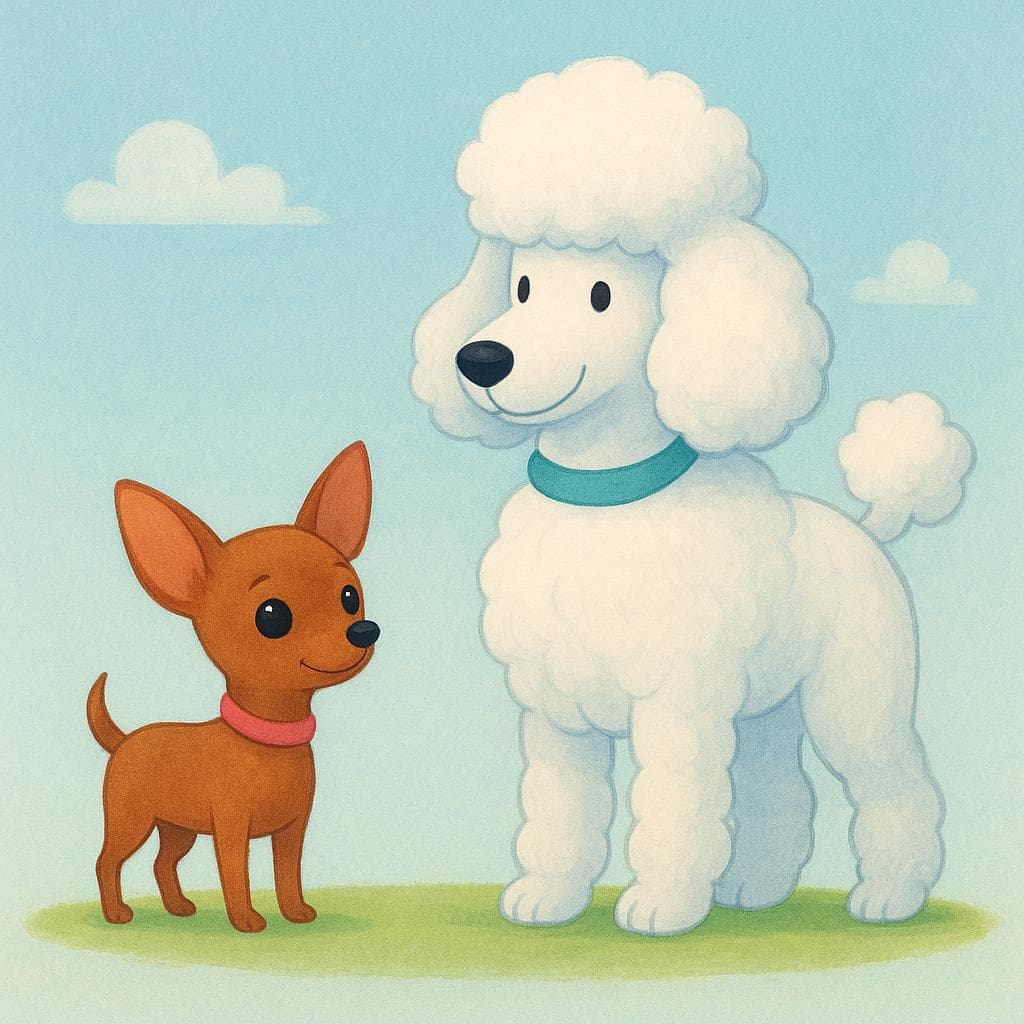
The most common Spanish word for “breed” is “raza” — use 'raza' when referring to the general type or kind of an animal, especially in everyday conversation.

raza
RAH-sahˈraθa
Examples
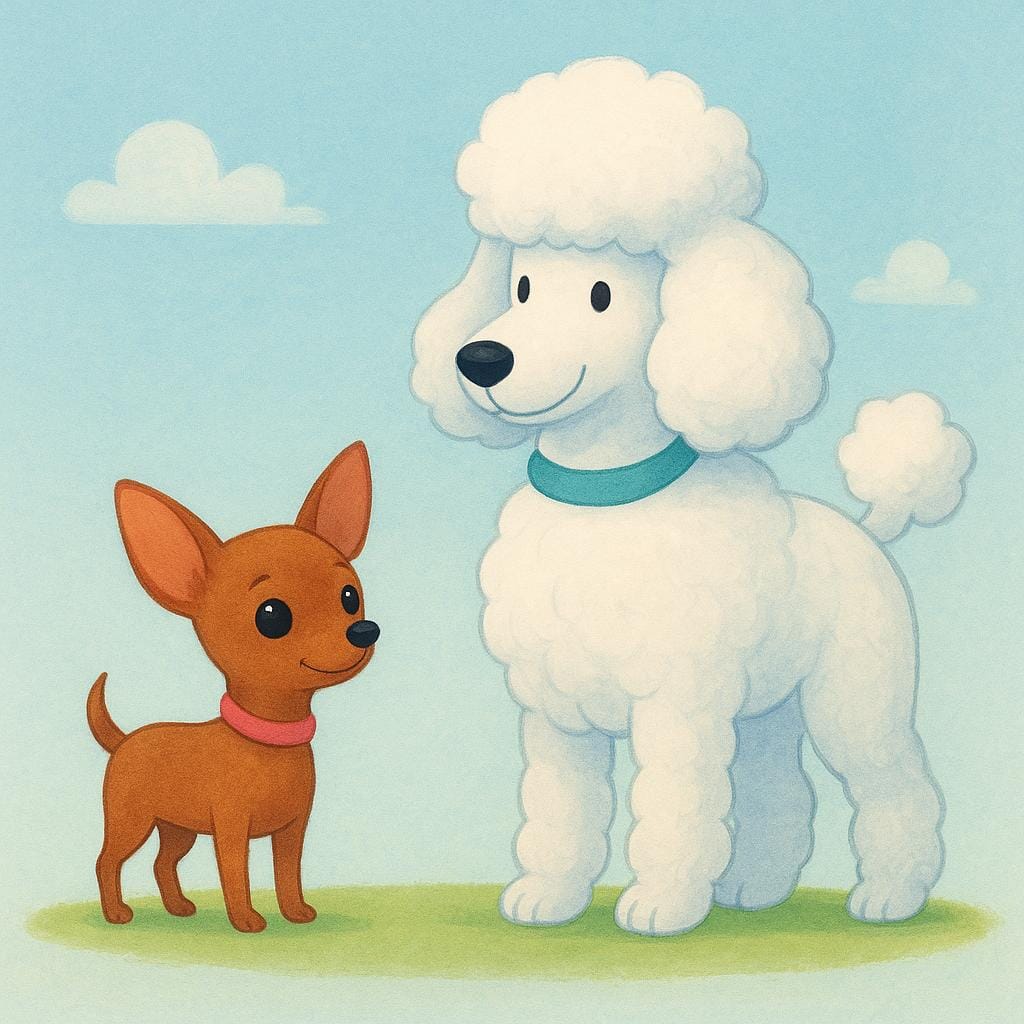
Mi perro es de raza pequeña.
My dog is a small breed.
¿Qué raza de caballo prefieres para montar?
What breed of horse do you prefer for riding?
Pura Raza
To describe an animal as a purebred, use the phrase 'de pura raza' or just 'pura raza' as an adjective, which always stays feminine to match 'raza'.
casta
kahs-tahˈkasta

Examples
Ese caballo es de buena casta.
That horse is of a good breed.
Le viene de casta ser tan valiente; su abuelo era igual.
Being so brave runs in his blood; his grandfather was the same.
El equipo perdió, pero demostró tener mucha casta.
The team lost, but they showed a lot of spirit and grit.
Always Feminine
Even when you are talking about a male animal or a man's lineage, 'casta' remains a feminine noun. You would say 'el perro es de buena casta,' not 'casto.'
Using it for 'Cast'
Mistake: “El casta de la película es famoso.”
Correction: El reparto de la película es famoso.
Raza vs. Casta
Related Translations
Learn Spanish with Inklingo
Interactive stories, personalized learning, and more.