How to Say "lineage" in Spanish
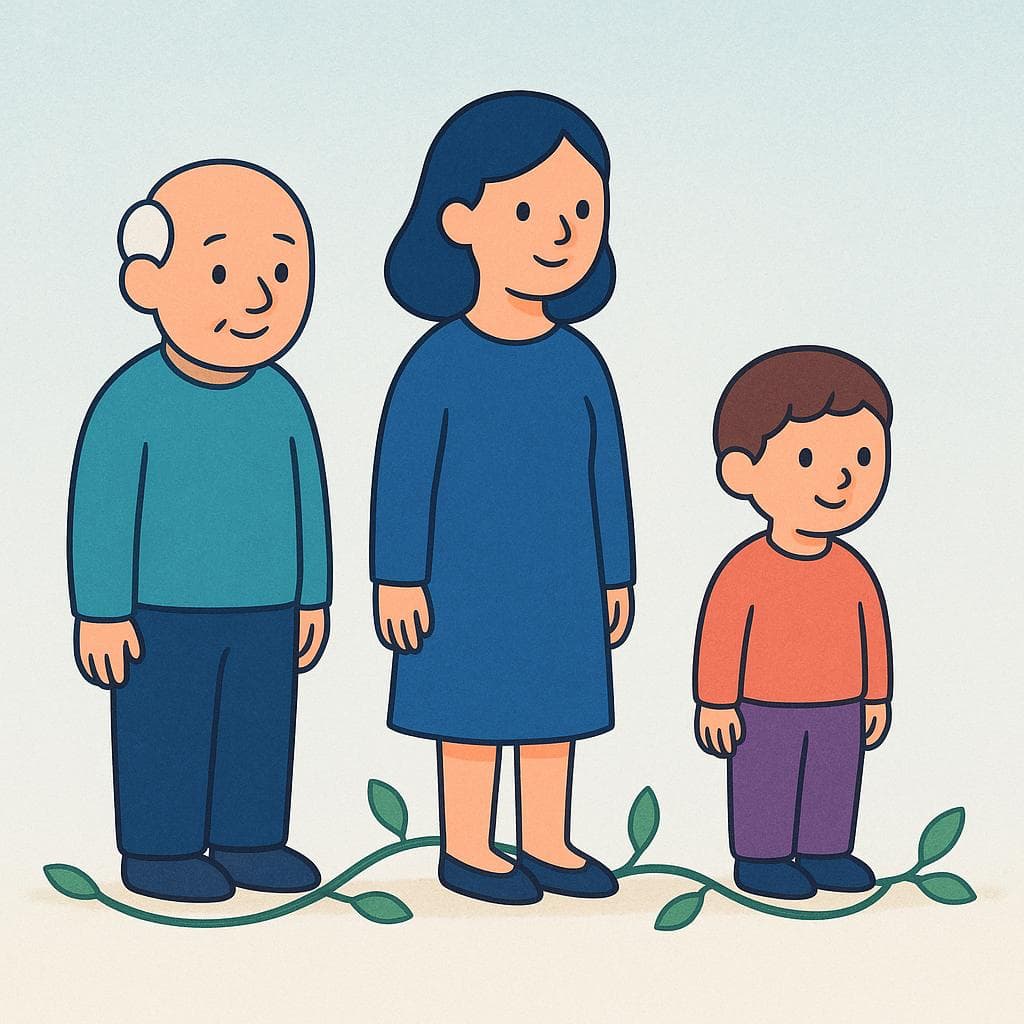
The most common Spanish word for “lineage” is “linaje” — use 'linaje' when referring to a formal family history, noble descent, or a distinguished ancestry, often in a historical or social context.


linaje
lee-NAH-hehliˈnaxe

Examples
El rey estaba muy orgulloso de su linaje.
The king was very proud of his lineage.
Es difícil rastrear el linaje de una familia humilde de hace siglos.
It is difficult to trace the ancestry of a humble family from centuries ago.
Su linaje se remonta a los fundadores de la ciudad.
Her lineage goes back to the founders of the city.
The '-aje' Gender Rule
In Spanish, words that end in '-aje' (like linaje, viaje, or mensaje) are almost always masculine. You should always use 'el' or 'un' with them.
Nouns for 'Line'
Even though 'linaje' comes from the word for 'line', it only refers to family history. For a physical line on paper or a line of people waiting, use 'línea' or 'fila'.
The 'La' Mistake
Mistake: “La linaje es importante.”
Correction: El linaje es importante. (Since it ends in -aje, it must be masculine).
Using it for animals incorrectly
Mistake: “El linaje de este perro.”
Correction: While understandable, 'pedigrí' or 'raza' is much more common for animals unless you are being very poetic.
casta
kahs-tahˈkasta

Examples
Ese caballo es de buena casta.
That horse is of a good breed.
Le viene de casta ser tan valiente; su abuelo era igual.
Being so brave runs in his blood; his grandfather was the same.
El equipo perdió, pero demostró tener mucha casta.
The team lost, but they showed a lot of spirit and grit.
Always Feminine
Even when you are talking about a male animal or a man's lineage, 'casta' remains a feminine noun. You would say 'el perro es de buena casta,' not 'casto.'
Using it for 'Cast'
Mistake: “El casta de la película es famoso.”
Correction: El reparto de la película es famoso.
sangre
SAHN-grehˈsanɡɾe

Examples
Lleva la música en la sangre; toda su familia es de artistas.
He has music in his blood; his whole family are artists.
Es un caballo de pura sangre.
It's a pure-blood / thoroughbred horse.
Aunque nació en Canadá, tiene sangre colombiana.
Even though he was born in Canada, he has Colombian blood (heritage).
raza
RAH-sahˈraθa
Examples
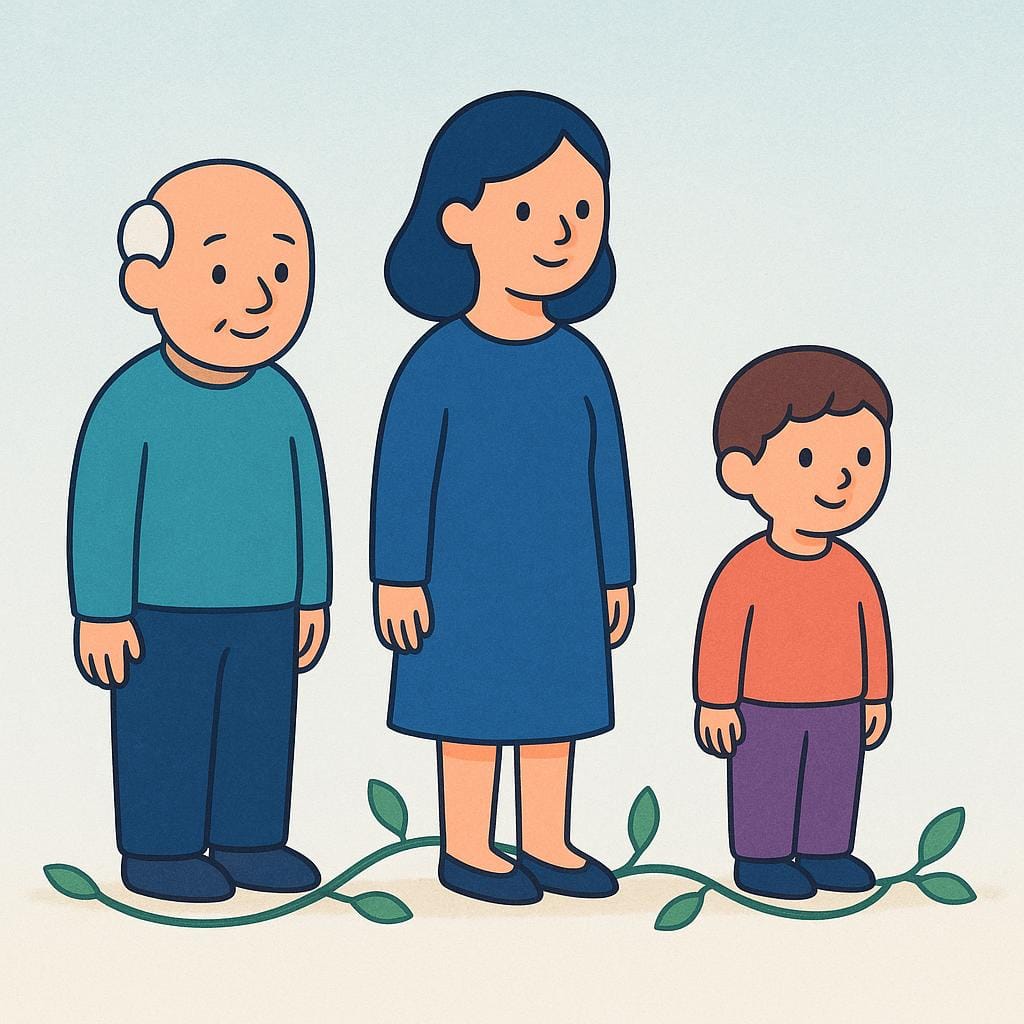
Ese vino tiene una raza excelente; es de la mejor cosecha.
That wine has an excellent quality/character; it's from the best harvest.
Demostró la raza de un verdadero campeón al no rendirse.
He showed the mettle (lineage/quality) of a true champion by not giving up.
Distinguishing 'linaje' from 'casta' and 'raza'
Related Translations
Learn Spanish with Inklingo
Interactive stories, personalized learning, and more.