How to Say "cockroach" in Spanish
The most common Spanish word for “cockroach” is “cucaracha” — use 'cucaracha' as the standard, everyday word for the common insect, suitable for nearly all situations.

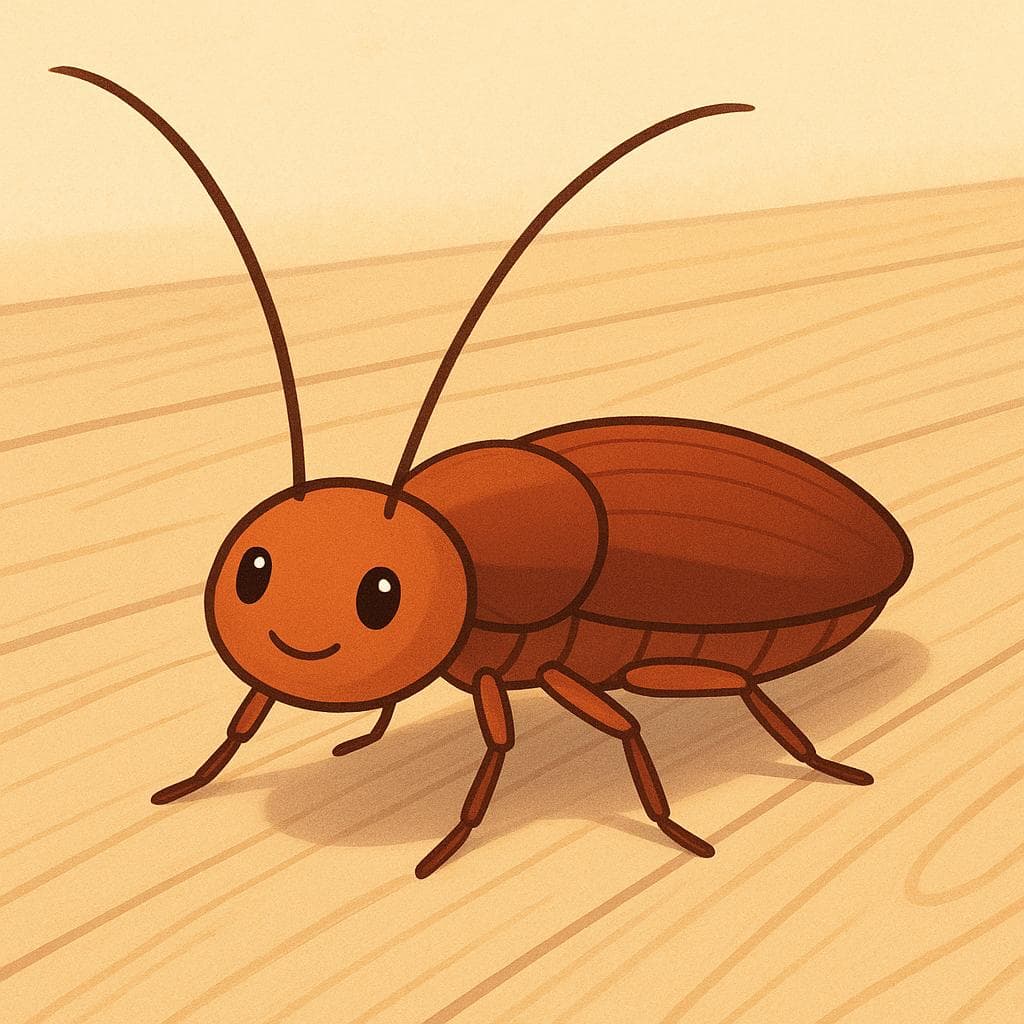
cucaracha
koo-kah-RAH-chahkukaˈɾatʃa

Examples
Hay una cucaracha corriendo por el suelo de la cocina.
There is a cockroach running across the kitchen floor.
Las cucarachas pueden sobrevivir en condiciones muy difíciles.
Cockroaches can survive in very difficult conditions.
Mi hermano les tiene fobia a las cucarachas voladoras.
My brother has a phobia of flying cockroaches.
Always Feminine
This word is always feminine ('la cucaracha'). Even if the insect is male, you don't change the word to 'cucaracho'.
Adding 'Male' or 'Female'
To specify the sex of the bug, you just add the words for male or female: 'la cucaracha macho' or 'la cucaracha hembra'.
Don't use 'el'
Mistake: “El cucaracha es grande.”
Correction: La cucaracha es grande. Even though it's just a bug, the word itself is strictly feminine.
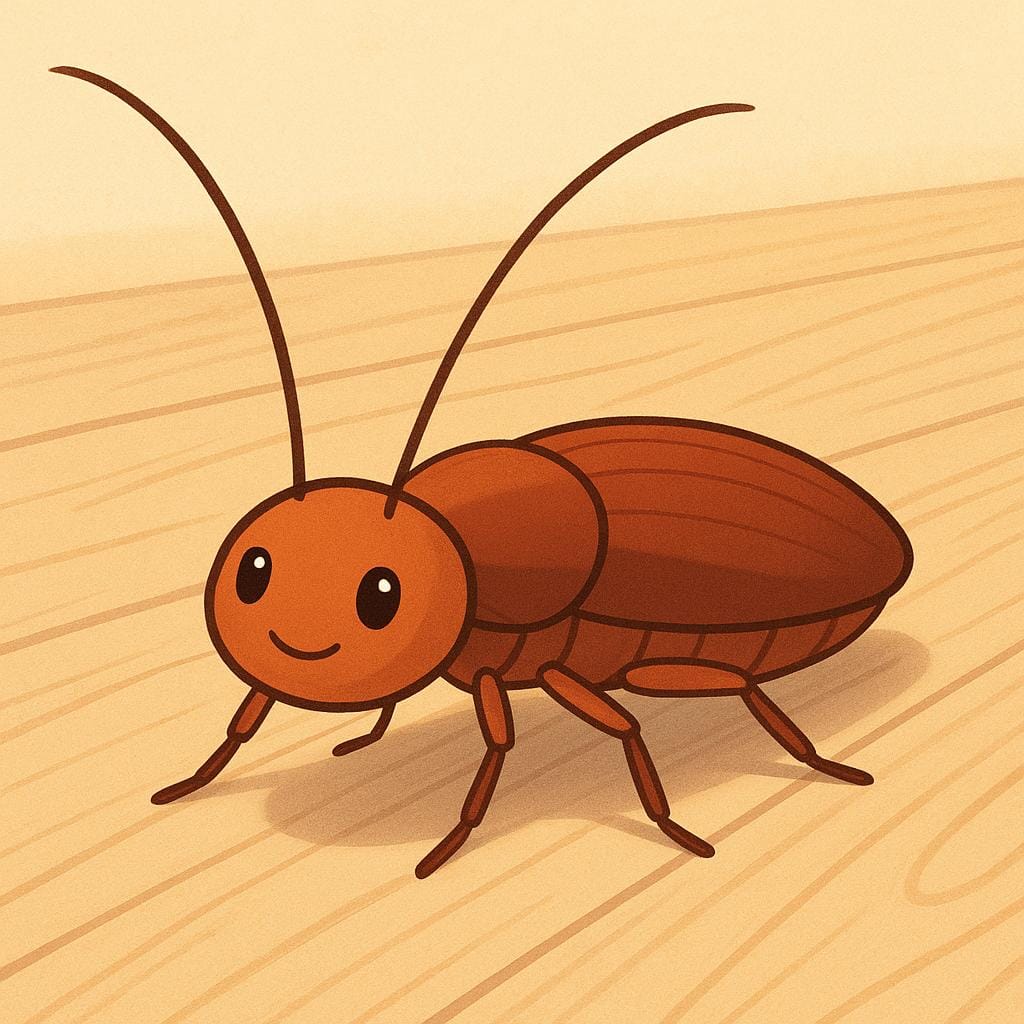
barata
bah-RAH-tahbaˈɾata
Examples
Cuidado, hay una barata en la cocina.
Watch out, there is a cockroach in the kitchen.
Regional Homonym
This meaning is entirely separate from the concept of price. If you are in the Caribbean, this is the word you will hear for the insect.
Choosing Between Cucaracha and Barata
Related Translations
Learn Spanish with Inklingo
Interactive stories, personalized learning, and more.