How to Say "couple" in Spanish
The most common Spanish word for “couple” is “pareja” — use 'pareja' when referring to two people who are in a romantic relationship, such as a boyfriend/girlfriend, husband/wife, or domestic partners.
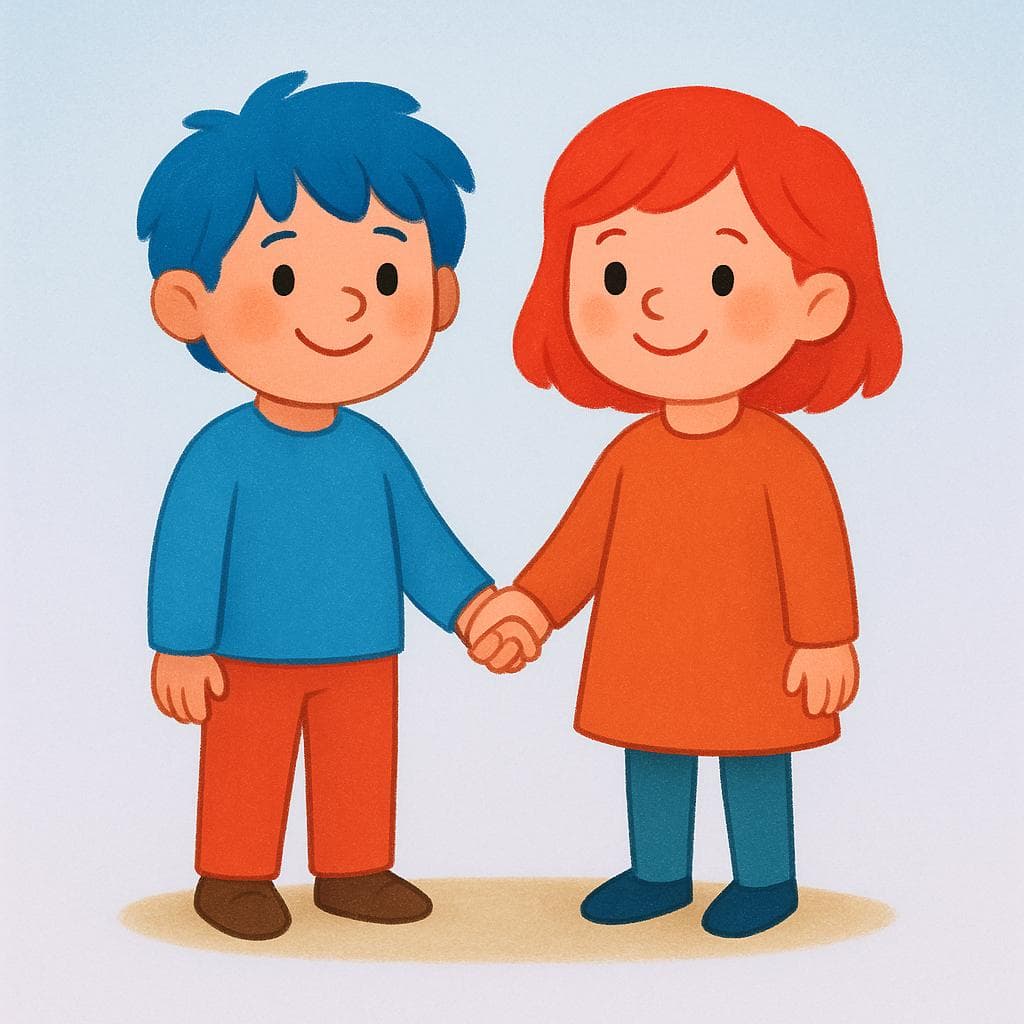

pareja
pah-REH-hahpaˈɾe.xa
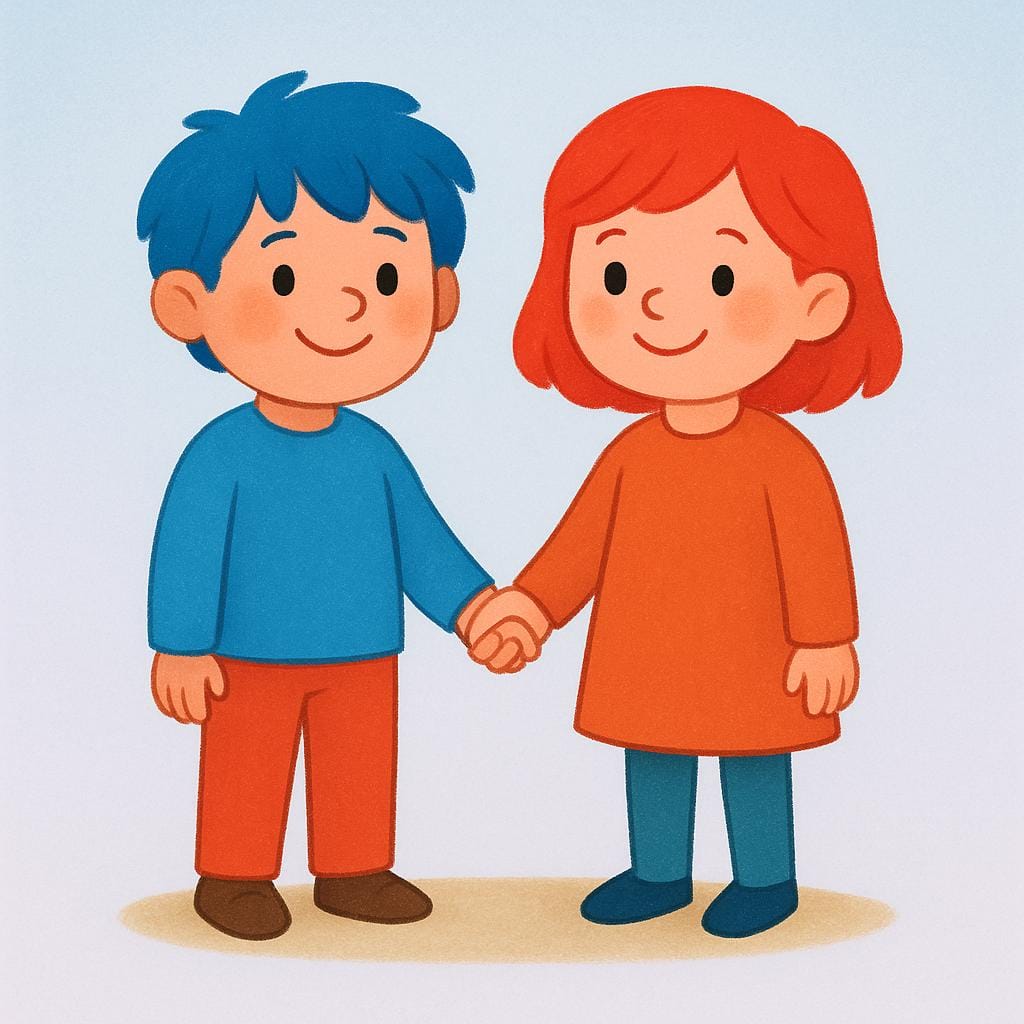
Examples
Mi pareja y yo vamos a adoptar un perro.
My partner and I are going to adopt a dog.
Ellos son una pareja muy divertida.
They are a very fun couple.
¿Quién es tu pareja de baile?
Who is your dance partner?
Always Feminine
Even if the person you are referring to is male, the word 'pareja' is always feminine: 'El es mi pareja' (He is my partner).
Using Masculine Article
Mistake: “El pareja”
Correction: La pareja. Remember that the word itself determines the article, not the gender of the person.
novios
NOH-byosˈno.βjos

Examples
Mis amigos Juan y Sara son novios desde hace dos años.
My friends Juan and Sara have been a couple for two years.
¿Son ustedes novios o solo amigos?
Are you two a couple or just friends?
La pareja de novios se tomó de la mano para cruzar la calle.
The boyfriend and girlfriend held hands to cross the street.
Masculine Plural for Mixed Groups
Even if the couple is a man and a woman, Spanish uses the masculine plural form ('novios') to refer to the pair collectively. This is standard for mixed groups.
Using 'Novias' for Mixed Couple
Mistake: “Mis amigos son 'novias'.”
Correction: Mis amigos son 'novios'. The feminine plural ('novias') is only used if both people are female.
par
pahrpaɾ
Examples
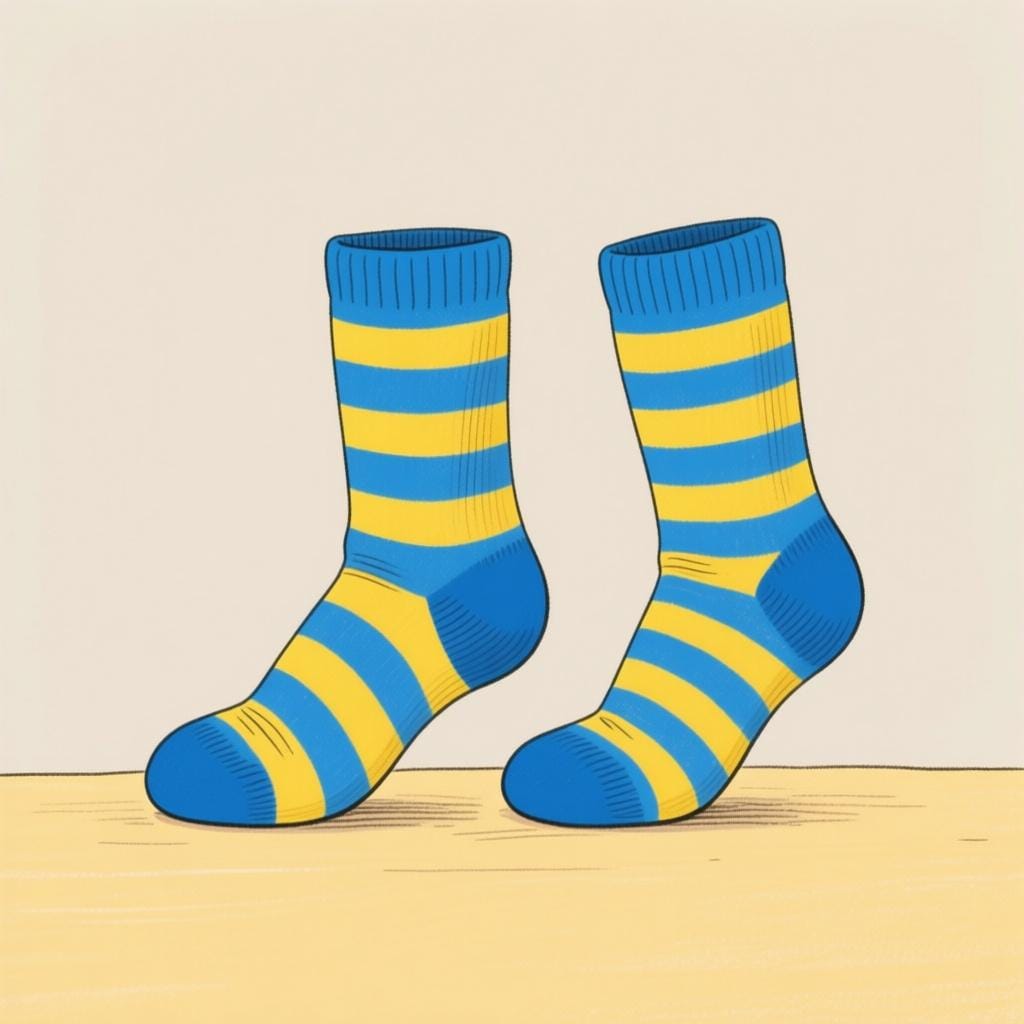
Necesito comprar un par de calcetines.
I need to buy a pair of socks.
Dame un par de minutos y estoy listo.
Give me a couple of minutes and I'll be ready.
Lo he visto un par de veces esta semana.
I've seen him a couple of times this week.
Using 'un par de'
This phrase is your go-to for talking about two things that come together. You always say 'un par de' followed by the name of the items in plural form, like 'un par de zapatos' (a pair of shoes).
Forgetting the 'de'
Mistake: “Quiero un par zapatos.”
Correction: Always connect 'par' to the noun with 'de'. The correct way is: 'Quiero un par de zapatos'.
People vs. Things
Learn Spanish with Inklingo
Interactive stories, personalized learning, and more.