How to Say "even" in Spanish
The most common Spanish word for “even” is “incluso” — use 'incluso' when adding something surprising or unexpected to a statement, often implying 'even' in the sense of 'also' or 'too'.


incluso
in-KLOO-sohin'kluso
Examples
Todos vinieron a la fiesta, incluso mi abuela.
Everyone came to the party, even my grandma.
La tienda abre todos los días, incluso los domingos.
The store is open every day, even on Sundays.
Incluso si llueve, saldremos a caminar.
Even if it rains, we will go out for a walk.
Adding Surprise or Emphasis
Use 'incluso' right before the person, thing, or situation that is surprising. It's like saying, '...and you won't believe this, but this too!'.
Mixing up 'incluso' and 'también'
Mistake: “Me gusta el rock y incluso el pop.”
Correction: Me gusta el rock y también el pop. Use 'también' (also, too) for simple additions. Use 'incluso' only when the addition is a bit surprising or goes a step further, like 'Me gusta toda la música, incluso la clásica' (I like all music, even classical).
aun
ownˈaun

Examples
Aun los expertos se equivocan a veces.
Even the experts make mistakes sometimes.
Todos lo saben, aun los niños.
Everyone knows it, even the children.
Ni aun con tu ayuda pudo terminar.
Not even with your help could he finish.
Aun vs. Aún: The Accent Decides Everything!
This is one of the most famous spelling rules in Spanish! 'Aun' (no accent) means 'even'. Its cousin, 'aún' (with an accent), means 'still' or 'yet'. Think of the accent as giving 'aún' a 'time' meaning.
Mixing up 'aun' and 'aún'
Mistake: “Quiero ir a la fiesta, aun si no me invitaron.”
Correction: This is correct! Because you can say 'even if they didn't invite me', you use 'aun' without an accent. A common mistake would be writing 'aún' here.
Using 'aun' for 'still'
Mistake: “Aun no he terminado la tarea.”
Correction: No he terminado aún. When you mean 'still' or 'yet', you need the accent. A good test is to try swapping it with 'todavía'. If 'todavía' fits, you need the accent: 'aún'.
hasta
AS-taˈasta
Examples
Todos vinieron a la fiesta, hasta mi jefe.
Everyone came to the party, even my boss.
Hasta un niño podría resolver este problema.
Even a child could solve this problem.
Limpié toda la casa, ¡hasta las ventanas!
I cleaned the whole house, even the windows!
Using 'Hasta' for Surprise
Place 'hasta' right before a person or thing to show that their involvement is unexpected or surprising. It works just like the English word 'even'.
Word Order
Mistake: “Un niño hasta podría resolverlo.”
Correction: Hasta un niño podría resolverlo. To get the 'even' meaning, 'hasta' almost always comes directly before the surprising thing or person you're talking about.
incluido
een-kloo-EE-dohinˈklwiðo
Examples
Vinieron todos a la fiesta, incluido Juan.
Everyone came to the party, including Juan.
Me gusta toda la fruta, incluido el mango.
I like all fruit, including mango.
The 'Connector' Role
When used to mean 'including,' the word often stays as 'incluido' regardless of what comes after it, though some speakers prefer to match it to the noun.
inclusive
een-kloo-SEE-bayin.kluˈsi.βe

Examples
La tienda abre de lunes a sábado inclusive.
The shop is open from Monday to Saturday inclusive (including Saturday).
Debes leer desde la página diez hasta la veinte inclusive.
You must read from page ten to page twenty inclusive.
Pagamos todos los impuestos, el de lujo inclusive.
We paid all the taxes, even the luxury one.
The 'End of the Line' Rule
Unlike the word 'incluso,' which usually comes before a word, 'inclusive' almost always comes after the specific thing you are including.
Used for Limits
This word is the standard way to say 'and including the last one' when talking about dates, hours, or page numbers.
Wrong Placement
Mistake: “Inclusive los domingos trabajamos.”
Correction: Los domingos inclusive trabajamos (or 'Incluso los domingos').
todavía
toh-dah-BEE-ahtoðaˈβia

Examples
Es una casa hermosa, y todavía mejor, tiene piscina.
It's a beautiful house, and even better, it has a pool.
Es una casa hermosa, y todavia mejor, tiene piscina.
It's a beautiful house, and even better, it has a pool.
Estaba cansado, pero todavia tenía que terminar el informe.
He was tired, but nevertheless, he had to finish the report.
Emphasis vs. Time
When 'todavia' means 'even' or 'nevertheless', it often relates two contrasting ideas, rather than focusing on the continuation of time.
par
pahrpaɾ
Examples
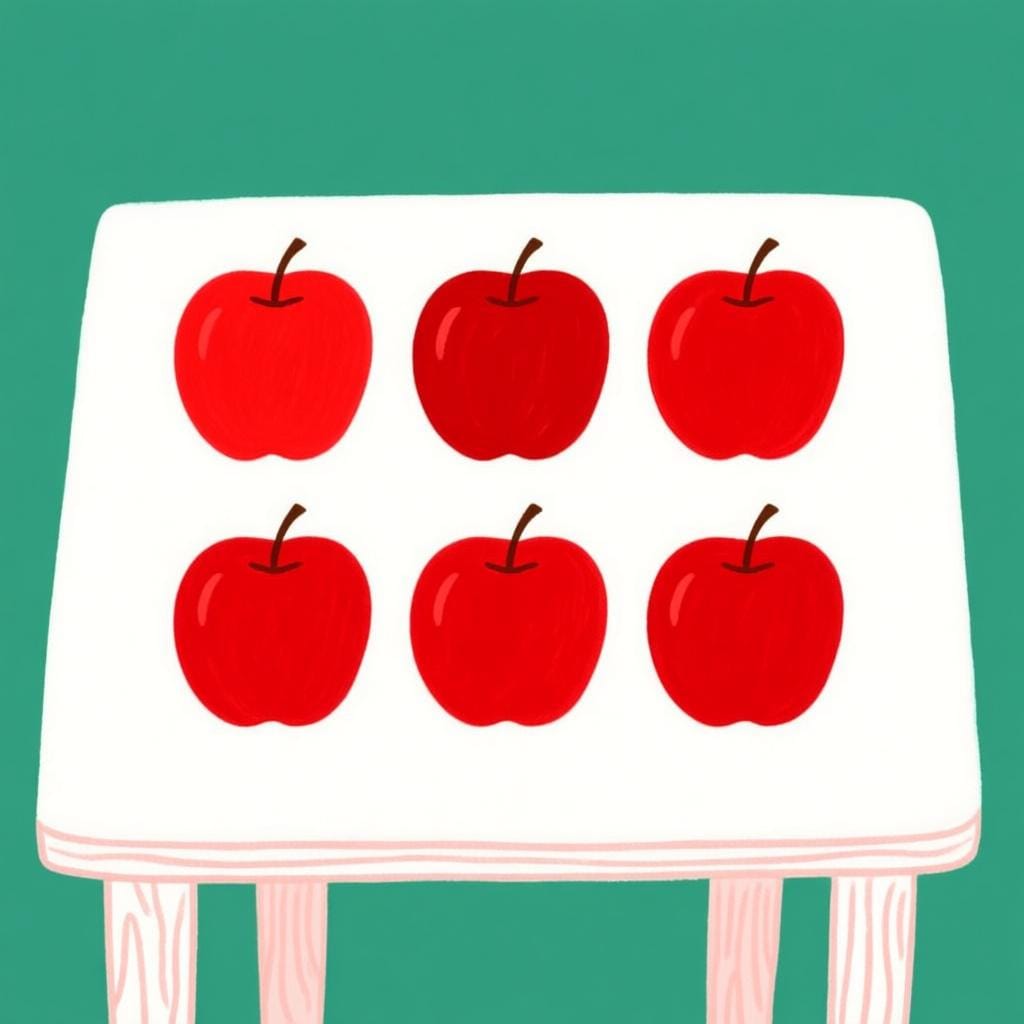
El número 8 es un número par.
The number 8 is an even number.
Los días pares del mes tengo clase de yoga.
On the even days of the month, I have yoga class.
An Adjective That Stays the Same
Unlike many Spanish adjectives, 'par' doesn't change to match the gender of the noun it describes. It's always 'par'. For example, 'el número par' (the even number) and 'la cifra par' (the even digit).
uniforme
oo-nee-FOR-mehuniˈfoɾme
Examples
El color de la pared es uniforme, sin manchas.
The color of the wall is uniform, without stains.
Para un buen resultado, la temperatura debe ser uniforme.
For a good result, the temperature must be uniform (consistent).
Mantuvimos un ritmo uniforme durante toda la carrera.
We maintained a uniform pace throughout the race.
Gender Consistency
Since this adjective ends in '-e', it doesn't change its form based on whether the thing it describes is masculine or feminine (e.g., 'el ritmo uniforme' and 'la velocidad uniforme'). It only changes for plural: 'uniformes'.
Confusing Emphasis Adverbs
Related Translations
Learn Spanish with Inklingo
Interactive stories, personalized learning, and more.