How to Say "pair" in Spanish
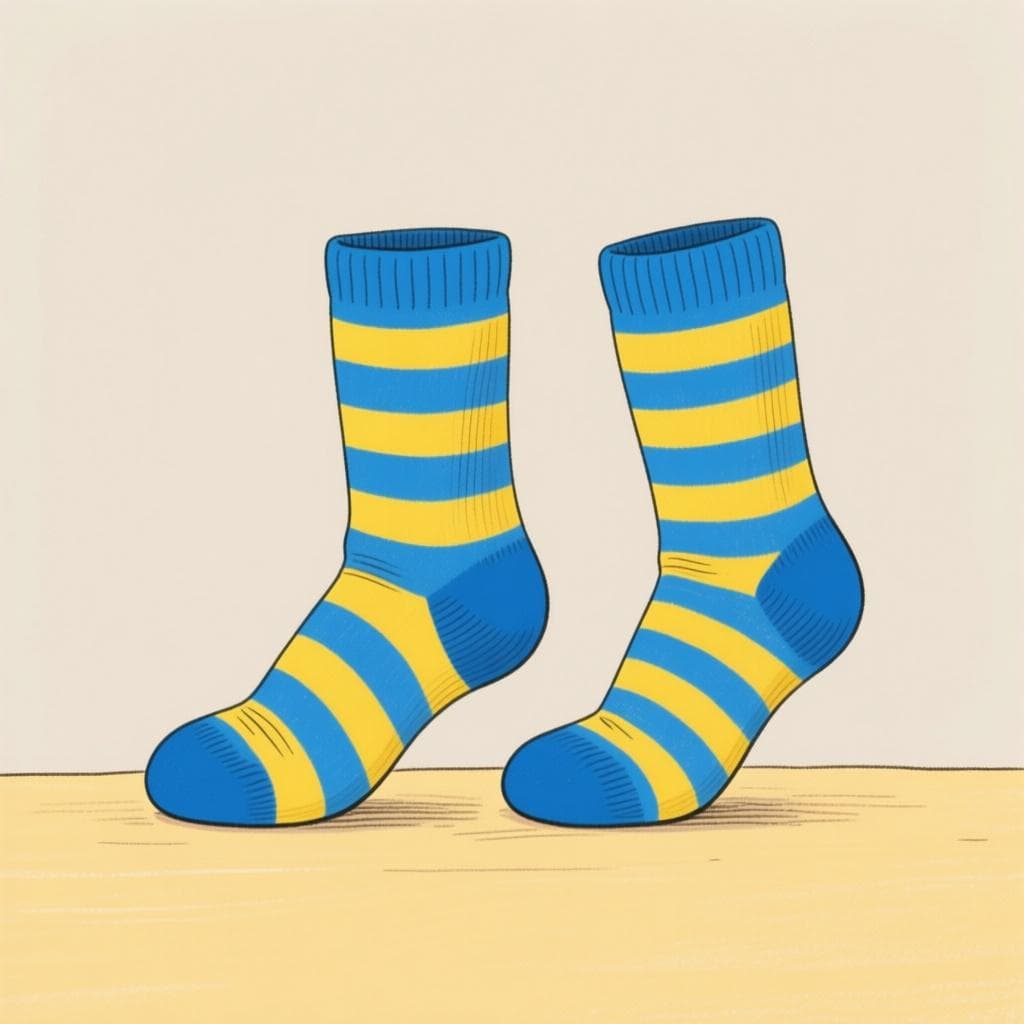
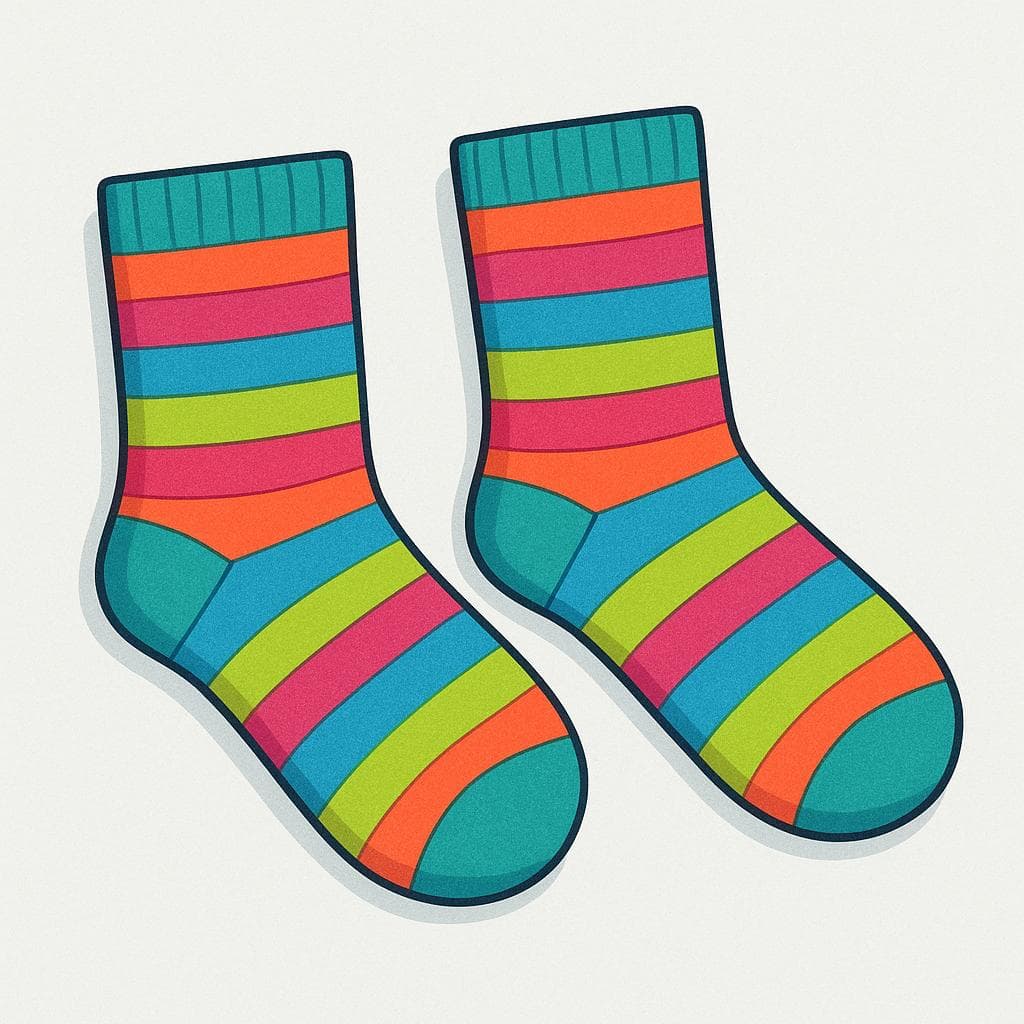
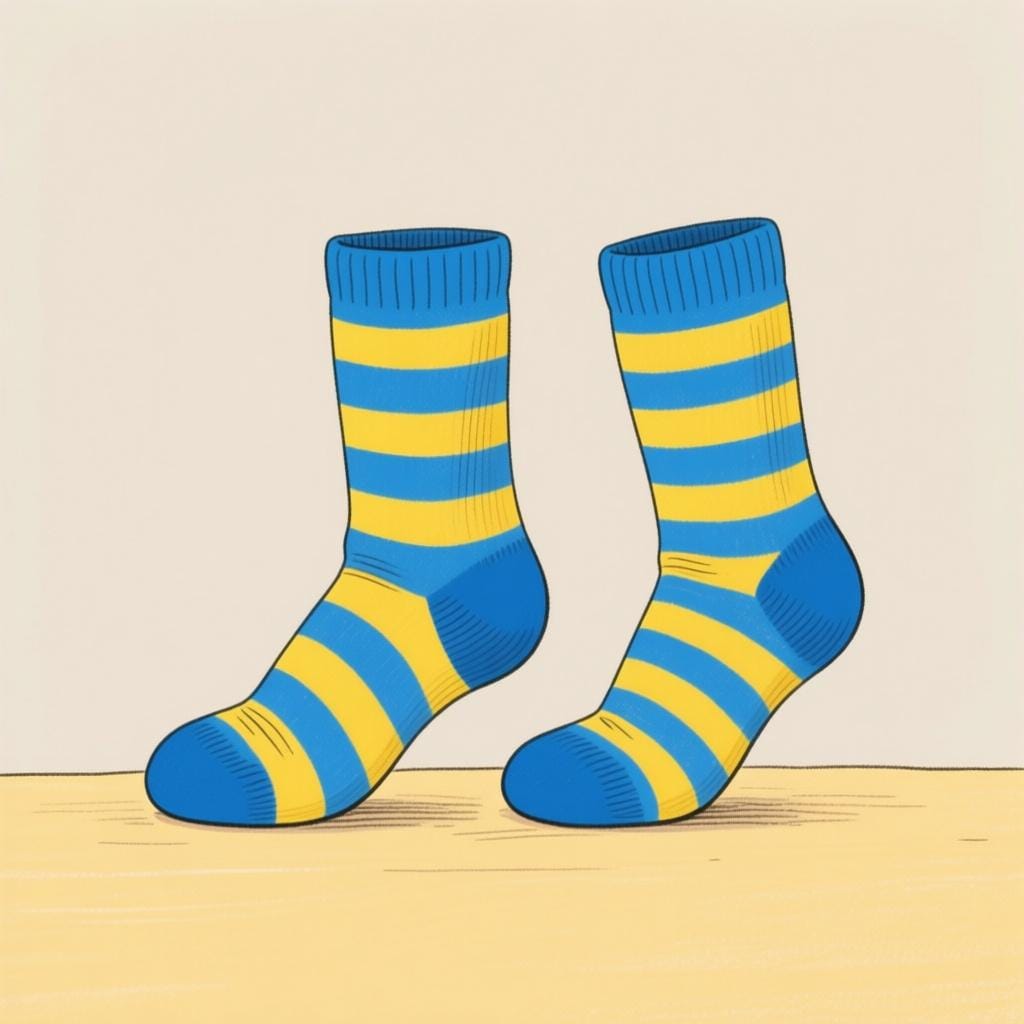
The most common Spanish word for “pair” is “par” — use 'par' when referring to two identical items that belong together, like socks, shoes, or gloves.
par
pahrpaɾ
Examples
Compré un par de zapatos nuevos.
I bought a pair of new shoes.
Necesito comprar un par de calcetines.
I need to buy a pair of socks.
Dame un par de minutos y estoy listo.
Give me a couple of minutes and I'll be ready.
Lo he visto un par de veces esta semana.
I've seen him a couple of times this week.
Using 'un par de'
This phrase is your go-to for talking about two things that come together. You always say 'un par de' followed by the name of the items in plural form, like 'un par de zapatos' (a pair of shoes).
Forgetting the 'de'
Mistake: “Quiero un par zapatos.”
Correction: Always connect 'par' to the noun with 'de'. The correct way is: 'Quiero un par de zapatos'.
pareja
pah-REH-hahpaˈɾe.xa
Examples
Mi perro perdió la pareja de su collar.
My dog lost the mate of its collar.
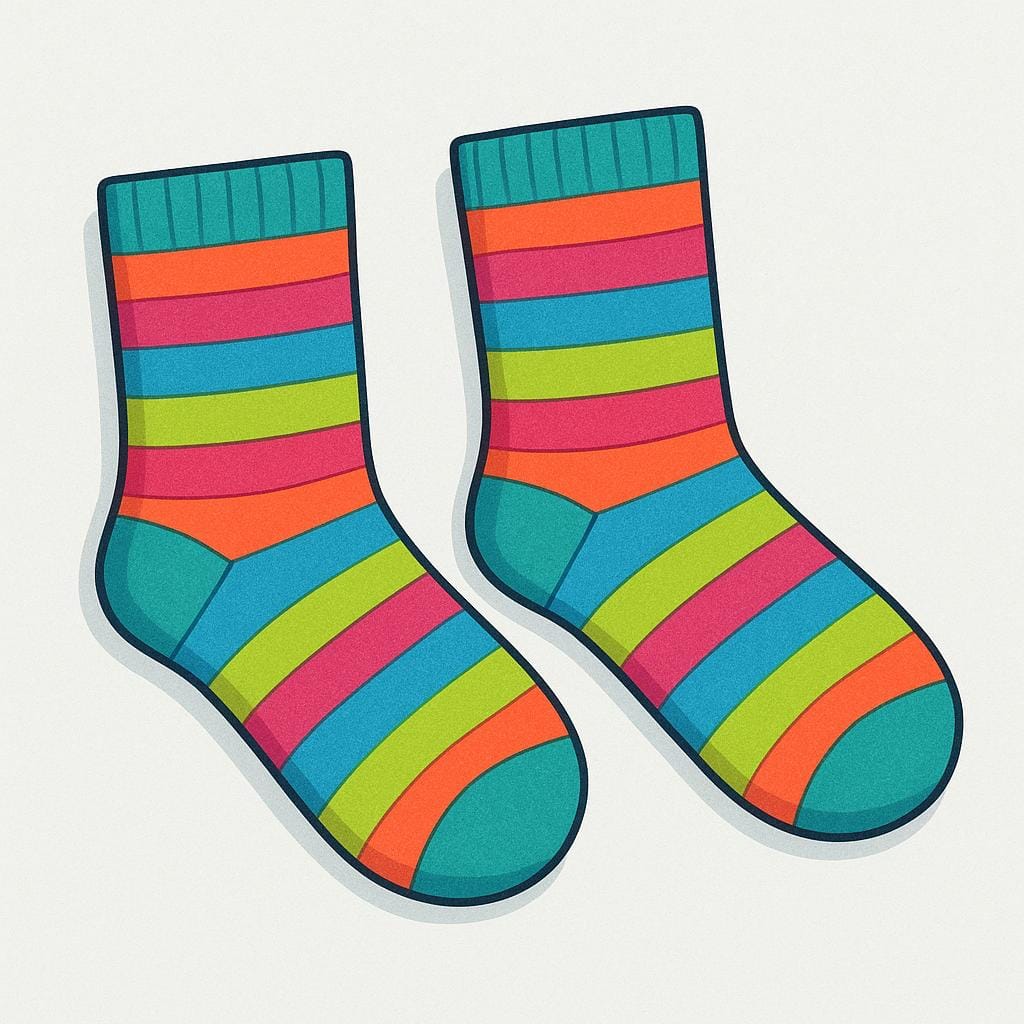
No encuentro la otra pareja del calcetín.
I can't find the other sock (of the pair).
Formaremos parejas para el ejercicio.
We will form pairs for the exercise.
Pareja vs. Par
Both mean 'pair'. 'Par' (masculine) is generally used when talking about exact quantities (e.g., three pairs of shoes: 'tres pares de zapatos'). 'Pareja' (feminine) is often used when emphasizing the match or coupling (e.g., dance partners, or a specific matching item).
Using 'Pareja' for Even Numbers
Mistake: “Este número es pareja.”
Correction: Use 'par' for the adjective 'even': 'Este número es par.' ('This number is even.')
dúo
Examples
Ellos forman un dúo musical increíble.
They form an incredible musical duo.
Confusing 'par' and 'pareja'
Learn Spanish with Inklingo
Interactive stories, personalized learning, and more.